
 +86 15157058370
 Language
  English
 Español
 عربى
عربى
Get In Touch
Related Products
-
 View More
-
 View More
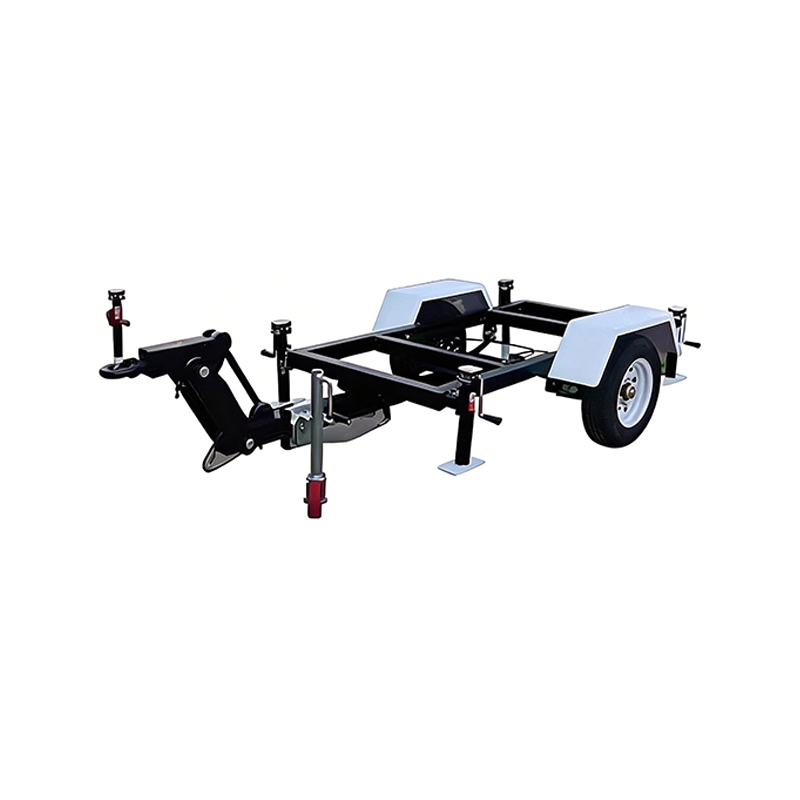
Heavy-Duty Steel Flatbed Two-Wheel Car Trailer
-
 View More
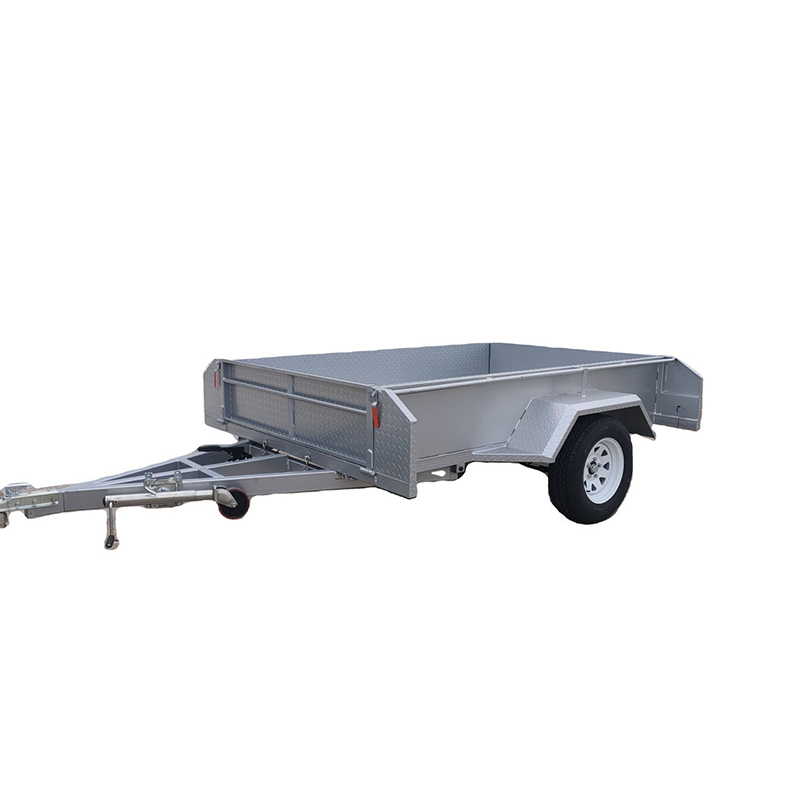
Portable and Corrosion-Resistant Small Aluminum Car Trailer
-
 View More
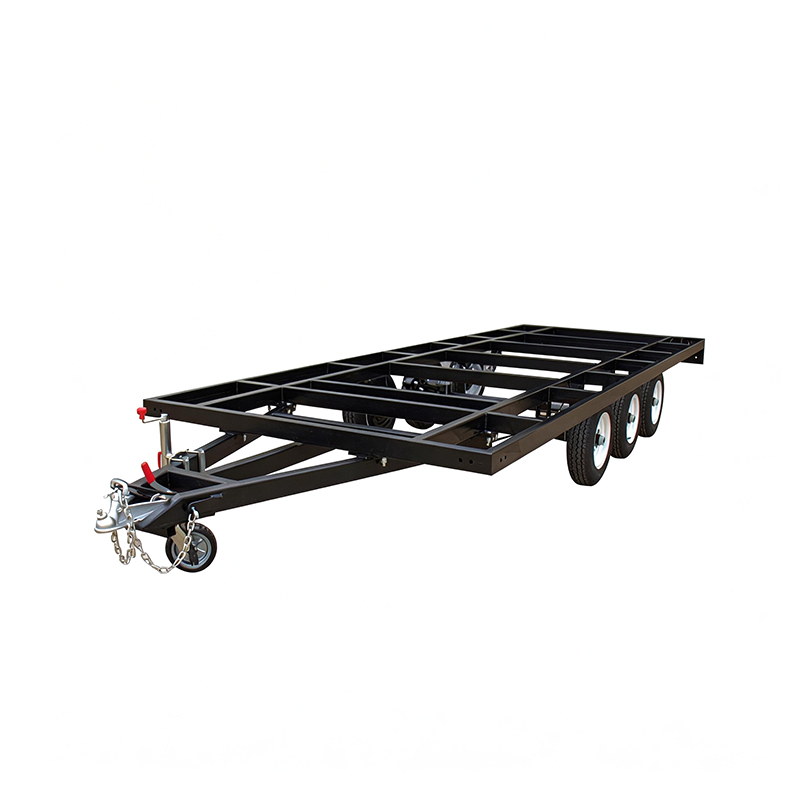
Galvanized Plate Aluminum Car Trailer With High Load Capacity
-
 View More
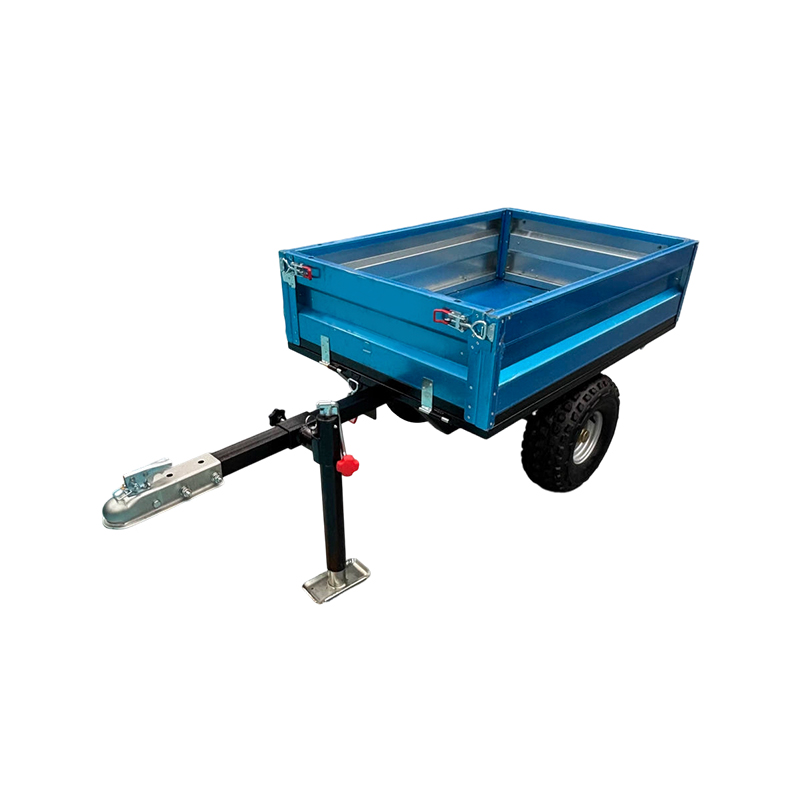
2001-3000 kg Blue Single Steel Cage Car Trailers Trailer
-
 View More
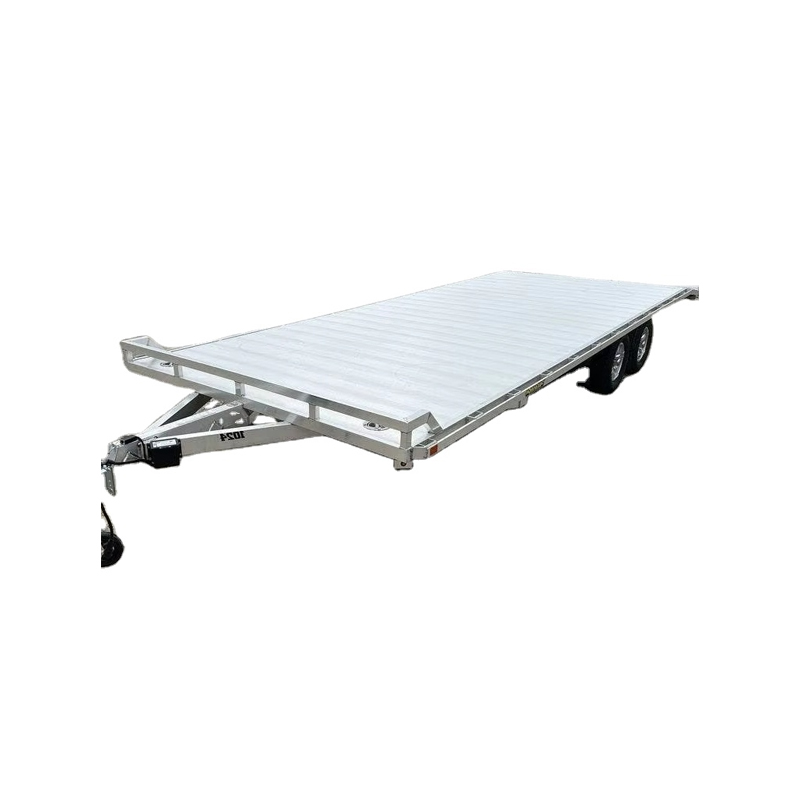
High-Performance Aluminum ATV UTV Golf Cart Car Trailer
-
 View More
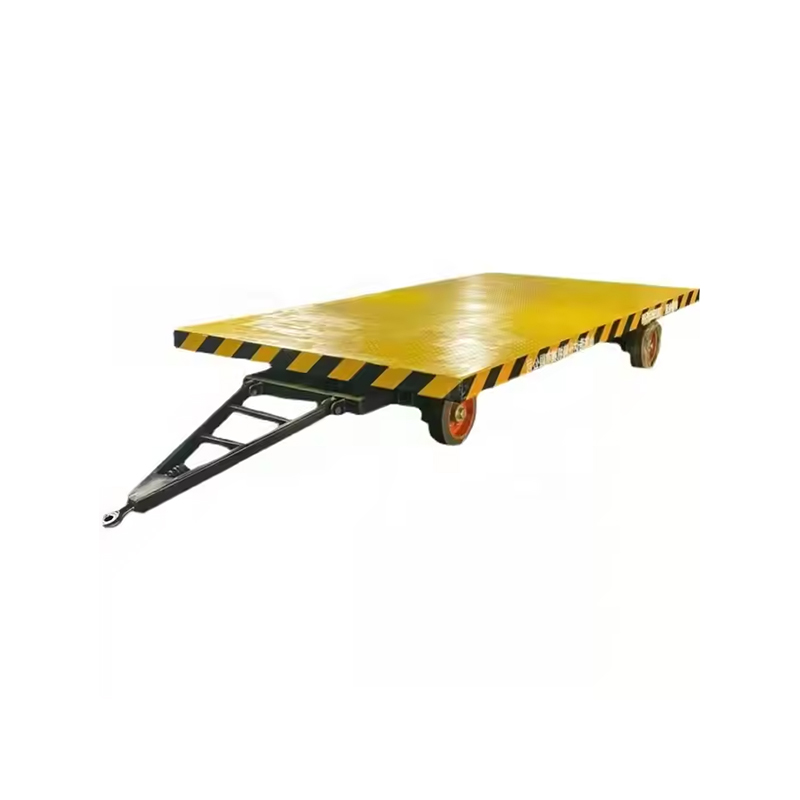
Heavy Duty Double Axle Semi Trailer Flatbed Truck Trailer
-
 View More
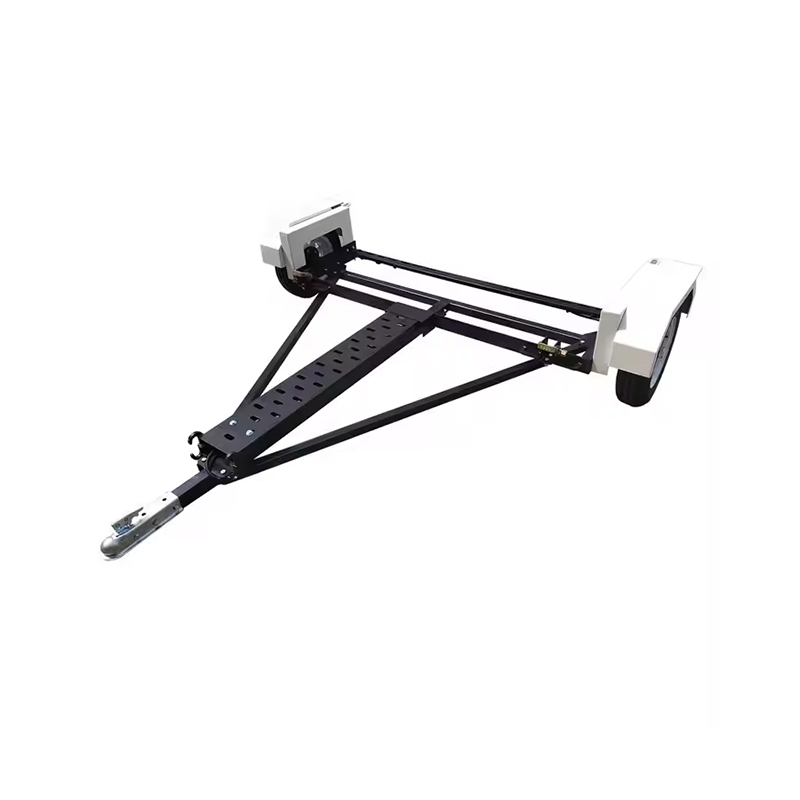
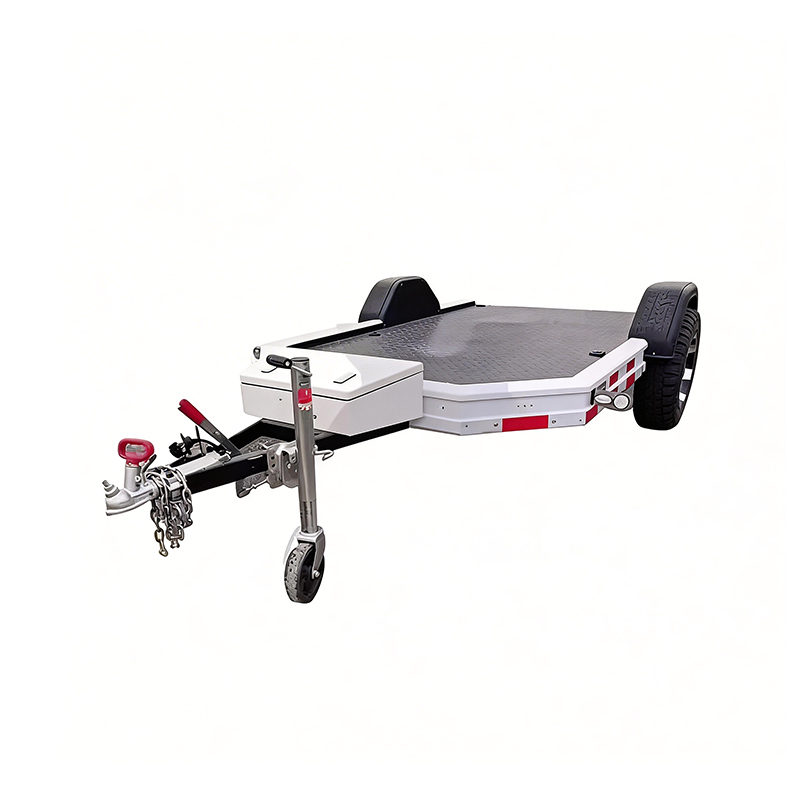
Mobile Moving Car Trailer With Fenders
-
 View More
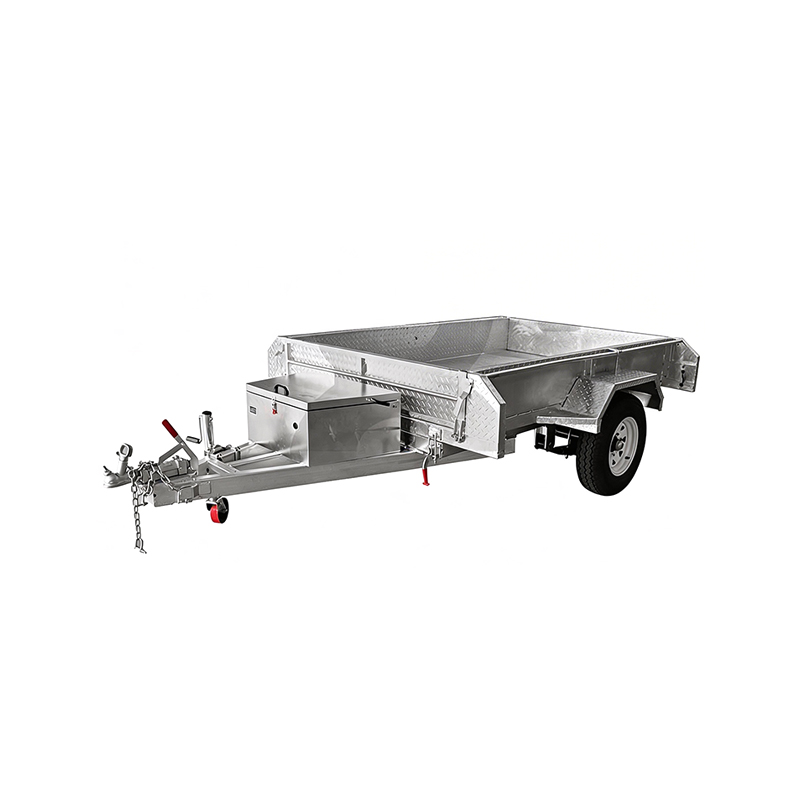
ATV Motorcycle All-terrain Trailer
-
 View More
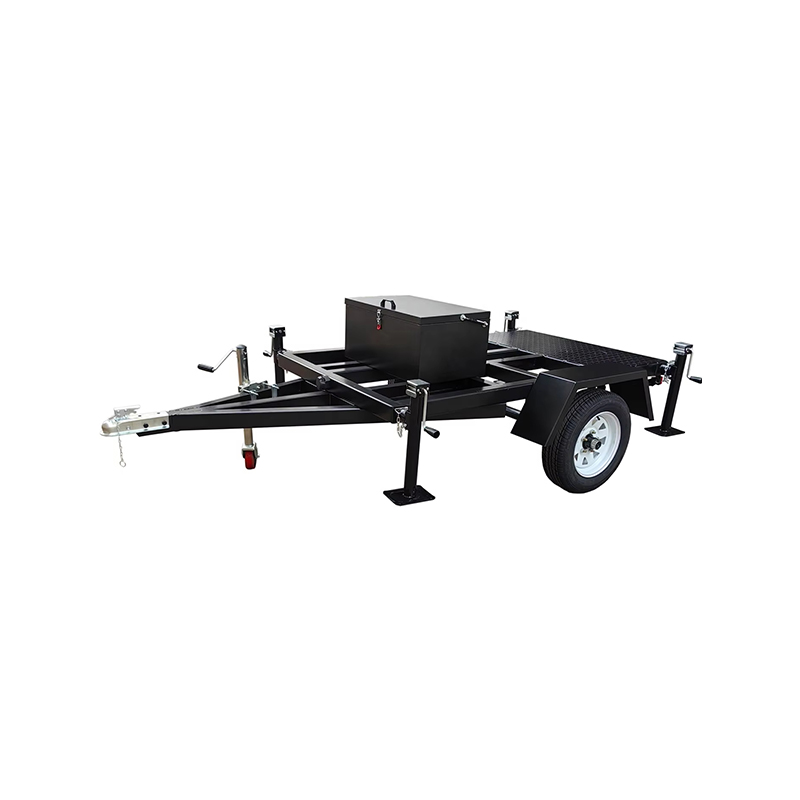
Metal Galvanised ATV Off-Road Car Trailer
-
 View More
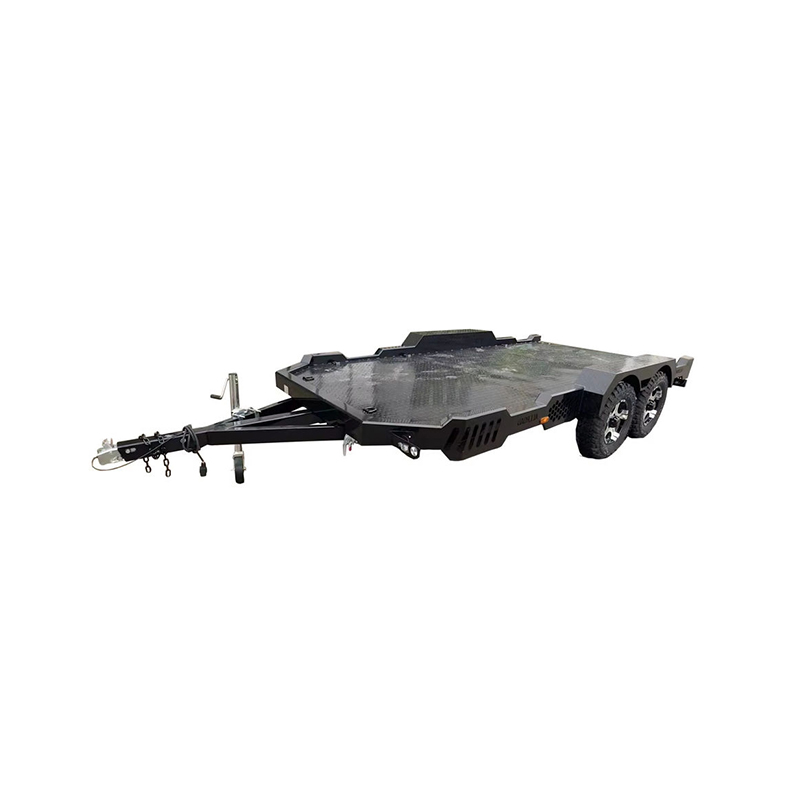
Mobile LED Display Chassis Semi Car Trailer
-
 View More
Multipurpose Truck Utility Trailers with Leaf Spring
-
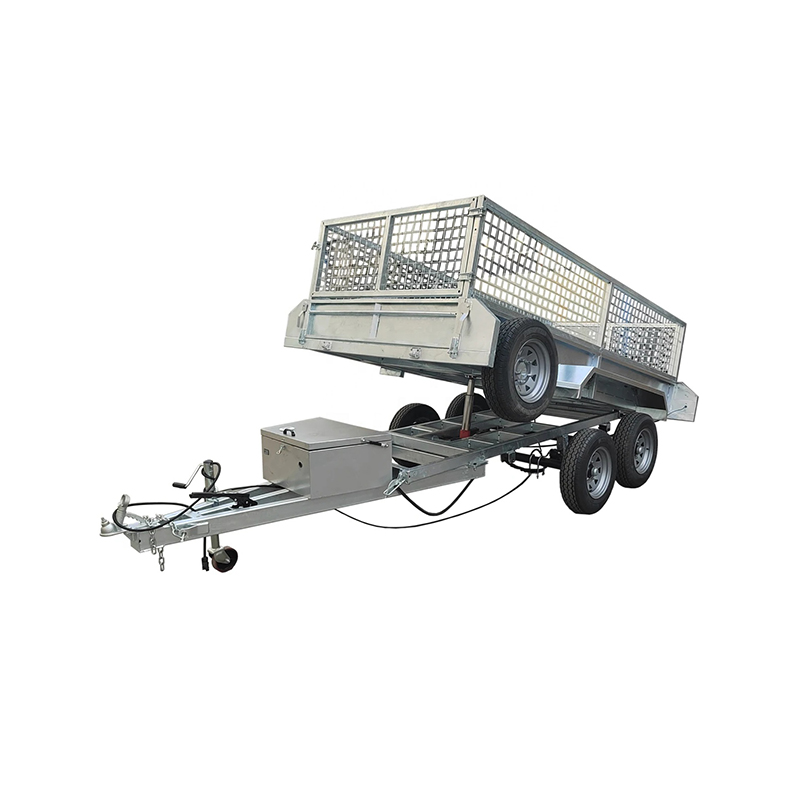 View More
Galvanised Tandem Farm Plant Tipping Hydraulic Trailer
-
View More
Hot Dip Galvanized Finish Silver Single Car Trailer
-
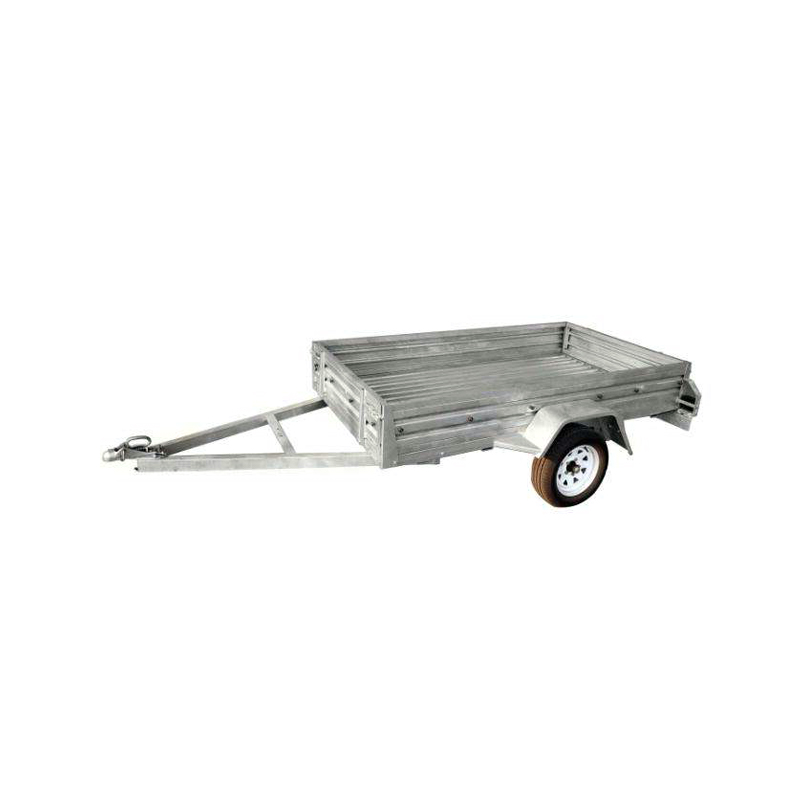 View More
Aluminum Car Trailer with Steel Box Finish Plate Galvanized Wheel
-
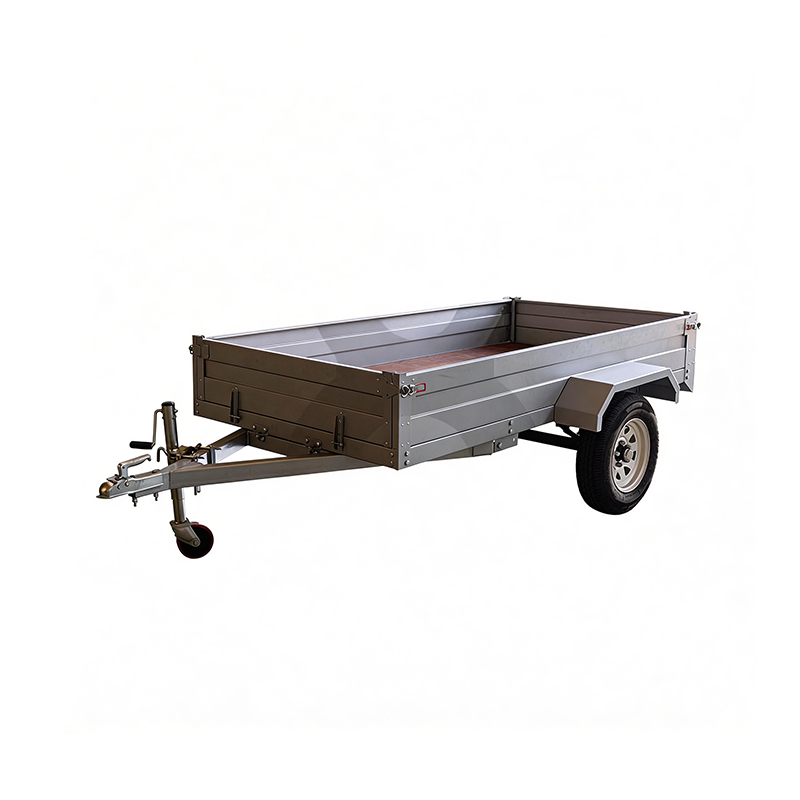 View More
Single Axle Metal Pull Behind Car Trailer
-
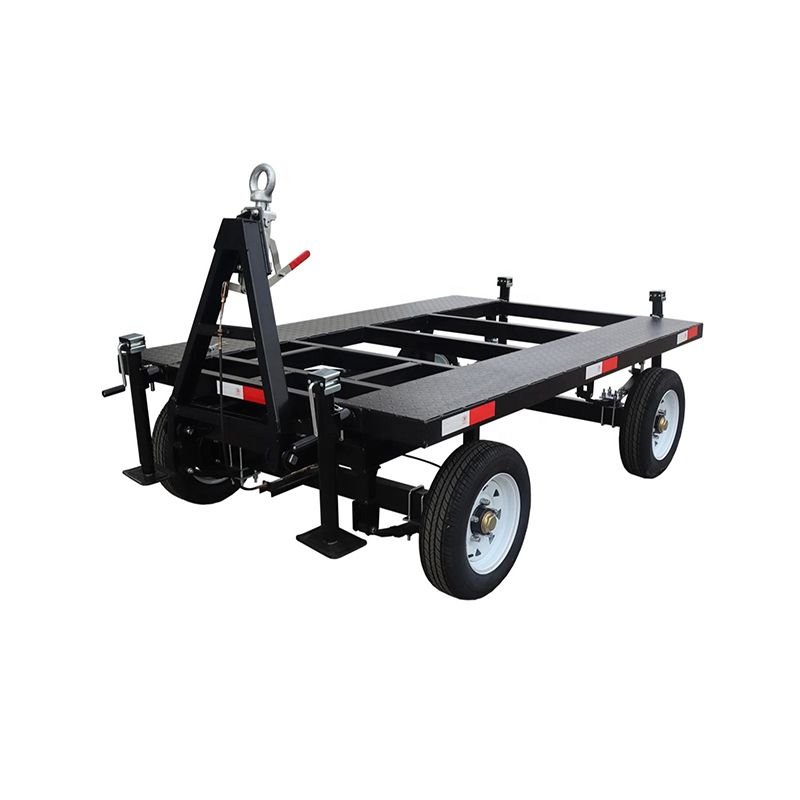 View More
Galvanished Powder Coated Double Axle Car Trailer
-
 View More
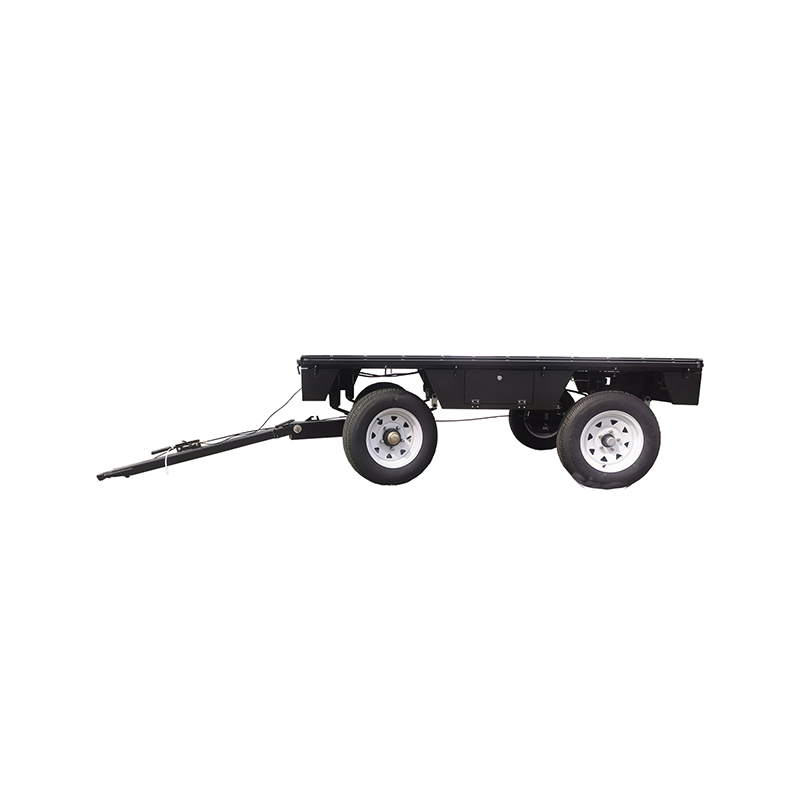
2 Axle Steel Q235 Small Equipment CarTrailer
-
 View More
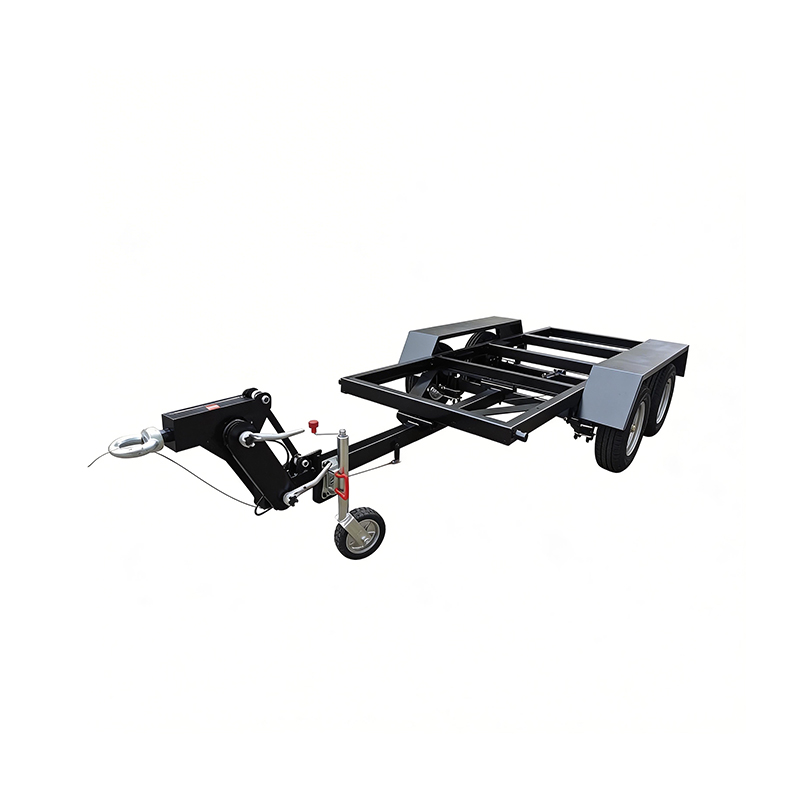
Double Axle Steel Frame Small Car Trailer
-
 View More
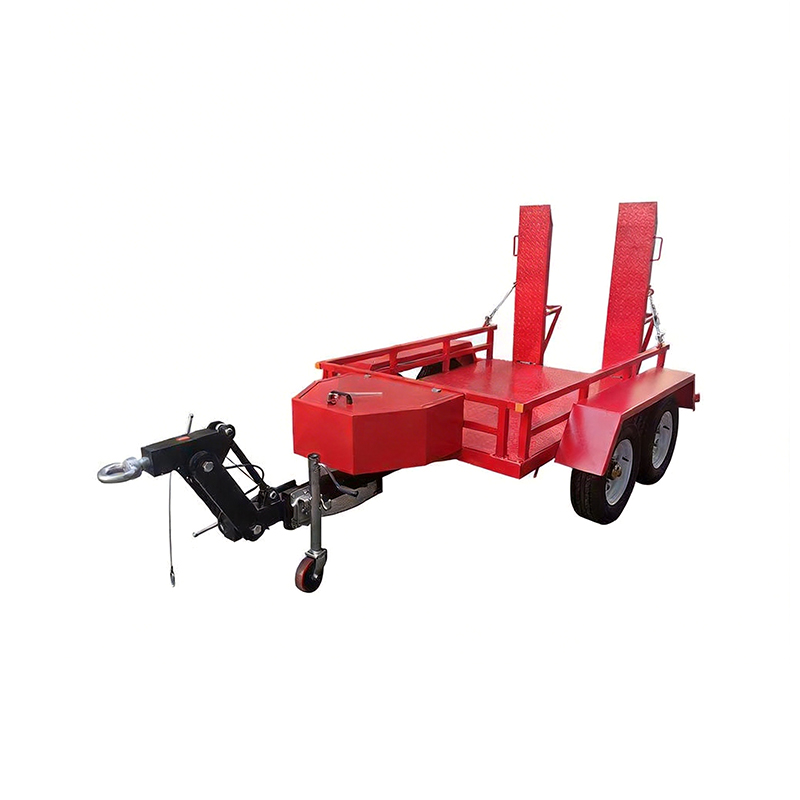
Double Axle Small Excavator Car Dolly Trailer

Products
Quick link
CONTACT US
- Phone: +86 15157058370
- Email: [email protected]
- Address: No. 11, Juhai Second Road, Qujiang District, Quzhou City, Zhejiang Province, China
Copyright © Zhejiang Zebang Machinery Co., Ltd. All Rights Reserved.
