The Heavy Tow Guide: ATVs, Excavators and the Trailer That Gets Them There
For contractors and equipment operators, moving gear is something they have to do every week. People often make mistakes before they even start loading their gear. They might think their truck can pull more than it really can, or they might choose the trailer material. They might think that a UTV can haul the same amount as an ATV. This guide will help you figure out the numbers for three common towing situations.
How Much Towing Capacity Do I Need for an ATV/UTV Trailer?
The first mistake people make is getting confused about what their ATV can tow. The payload rating is how much weight the ATV can carry on its racks. The towing capacity is how much weight the ATV can pull behind it.
Know Your Machines Limits
Most ATVs can only tow between 500 and 1,200 pounds. The bigger utility models can handle up to 1,500 pounds. You should always check your owner's manual to see what your ATV can really do. Do not listen to what your neighbor says.
The tongue weight trap is something to watch out for. ATV hitches are not as strong as truck receivers. If you exceed the factory tongue weight limit you can bend the frame. Mess up the steering.
Matching Trailer Size to the Load
Here is a list to help you match your trailer to your load:
| Load Type |
Typical Weight |
Recommended Trailer |
Brake Requirement |
| Single ATV (sport) |
400–500 lbs |
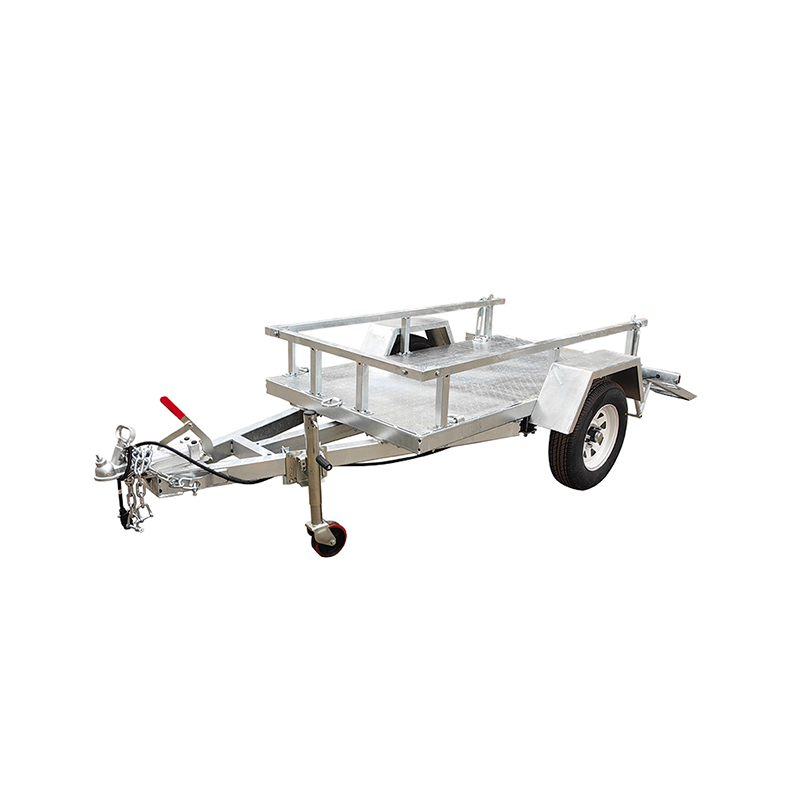
5' x 8' single-axle |
Unbraked (check local laws) |
| Single UTV / side-by-side |
1,200–1,800 lbs |
6' x 10' single or tandem |
Braked axle strongly advised |
| Two ATVs or UTV + gear |
1,800+ lbs |
6.5' x 12' tandem |
Braked axles typically required |
If your trailer weighs 400 pounds and your ATV weighs 600 pounds that is 1,000 pounds total. That is already too much for ATVs. It is better to buy a trailer with its own brakes. Make sure your tow vehicle can handle the weight of the trailer.
This is where people start to think about whether their truck can pull the load. A half-ton truck might be able to move an excavator, but stopping it and keeping it legal is a different story.
The Numbers That Matter
You should check these three ratings on your trucks door jamb sticker before you start towing:
| Rating |
What It Means |
Why It Matters |
| GVWR |
Max weight of truck + passengers + cargo |
Exceeding this wears suspension and may void warranty |
| GCWR |
Max combined weight of truck + loaded trailer |
Exceed it and you're over the legal weight limit before you roll |
| Payload |
GVWR minus curb weight |
Tongue weight counts against this—not against tow capacity |
Let's say you have an excavator that weighs 8,000 pounds on a 3,000 pound trailer. That is 11,000 pounds total. Most standard half-ton trucks have GCWRs in the 12,000-16,000 pound range. That is close. It might not be enough. If you add attachments, passengers and tools you will be over the limit.
The three-step test is:
- Weigh the loaded trailer at a scale.
- Add the trucks loaded weight, including passengers and fuel.
- Compare to the GCWR on the door sticker.
The CDL Catch
If the GCWR of your truck and trailer exceeds 26,001 pounds you need a Commercial Drivers License. This is true even if you are hauling for use. Many contractors get caught because they only look at the trailer's GVWR and ignore the truck's weight.
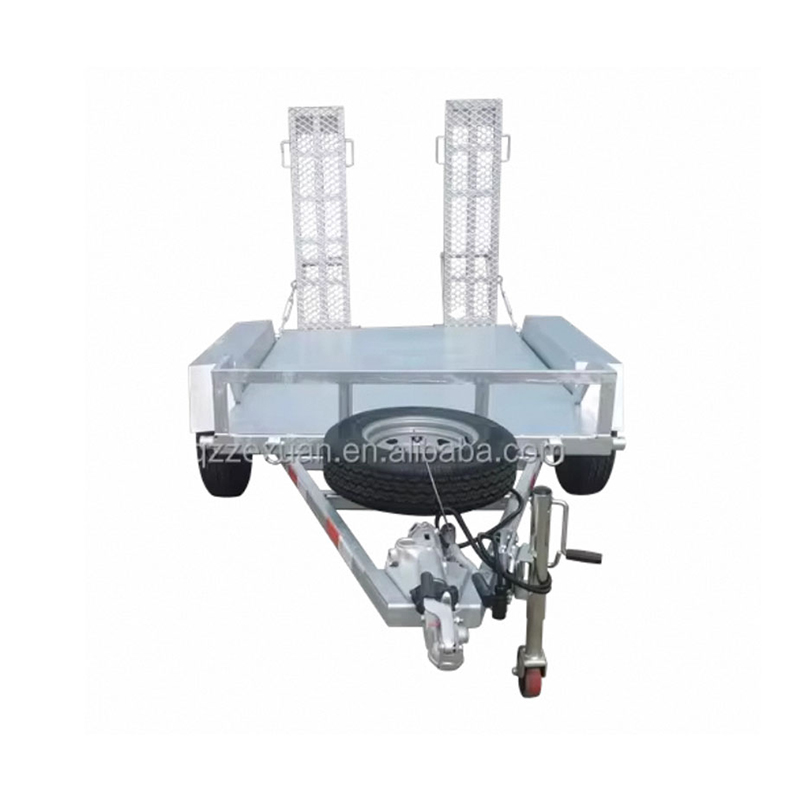
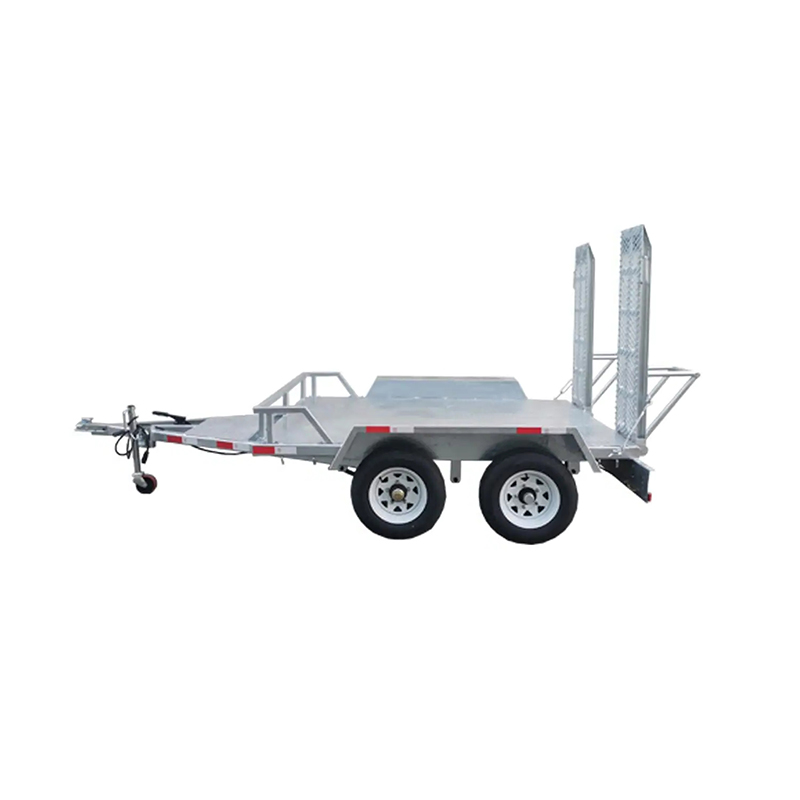
Steel vs. Aluminium Plant Trailers for Mini Excavators
This is a debate that never ends. Both steel and aluminium have their fans. The right choice depends on where you work and what you tow.
Side-by-Side Comparison
Here is a list to compare steel and aluminium trailers:
| Factor |
Steel Trailer |
Aluminium Trailer |
| Empty weight |
Heavier—reduces usable payload |
~20–30% lighter, increasing payload capacity |
| Corrosion resistance |
Requires paint or galvanizing; rusts when scratched |
Naturally corrosion-resistant; no painting needed |
| Maintenance |
Needs rust prevention and undercarriage washes |
Minimal—wash and go |
| Repairability |
Easier to weld in the field |
Requires specialized welding equipment |
| Resale value |
Depreciates faster with visible rust |
Holds value better; maintains appearance |
When Steel Makes Sense
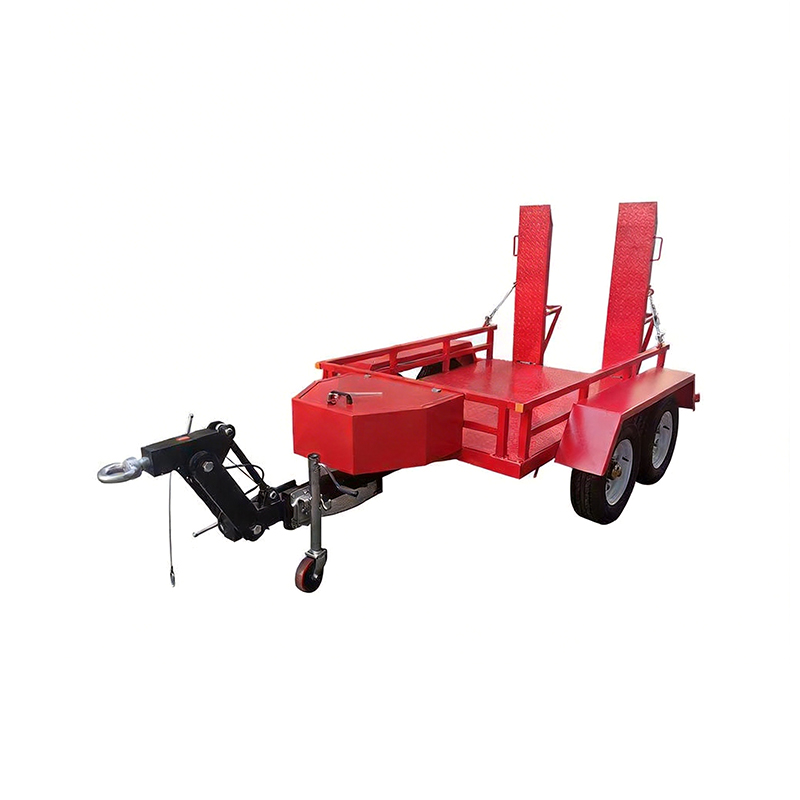
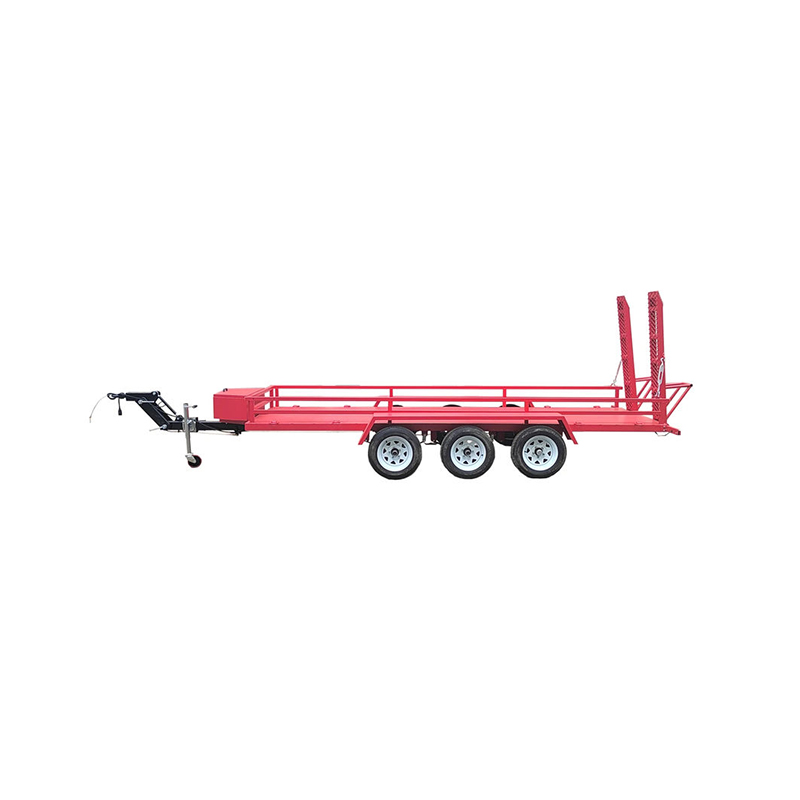
Steel trailers are good for yards and heavy civil work. They can take a beating. You can weld a broken ramp on-site. They are also upfront. They are heavy, which means less payload capacity.
When Aluminium Wins
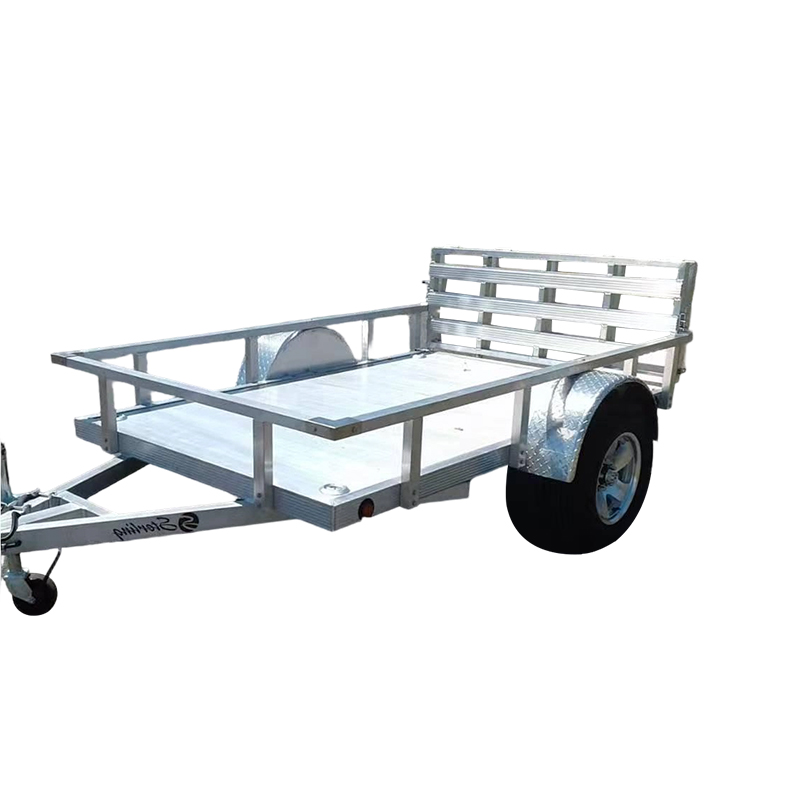
Aluminium trailers are good for operators with tow vehicles. They are lighter which means more payload capacity. They are also good for operators because they resist corrosion. They are more expensive upfront and need specialized welding equipment for repairs.
The Verdict
- Choose steel if you are on a budget, you have a heavy-duty tow vehicle and you do not work in saltwater environments.
- Choose aluminium if you are pushing weight limits, you want long-term maintenance or you work in coastal or road-salt regions where rust is a problem.

 +86 15157058370
 Language
  English
 Español
 عربى
عربى