
 +86 15157058370

 Language
 English
 Español
 عربى

Get In Touch
Is Trailer Payload the Hidden Limit for Mini Excavators
Mini excavators look small next to construction machines yet their transport weight can quickly reach the usable capacity of a plant trailer. The number printed as GVWR does not show the weight available for the excavator. Trailer tare weight, attachments, fuel, ramps, tools and securement equipment all affect the payload calculation. This makes payload an important specification for anyone using mini excavator plant trailers on construction, landscaping, utility or agricultural projects.
GVWR and Payload Are Not the
GVWR describes the maximum permitted loaded weight of the trailer including the trailer structure and cargo. Usable payload comes from subtracting the trailer weight from that rating.
- GVWR: Maximum permitted trailer weight.
- Tare weight: Weight of the trailer with its installed equipment.
- Payload: Capacity remaining for the excavator and additional cargo.
- GAWR: Maximum allowable load supported by the axle or axle group.
Published plant trailer specifications illustrate the difference. One 3,500 kg trailer configuration lists an estimated tare weight of 600 kg and a payload of 2,900 kg while another excavator trailer with a 3,500 kg rating weighs approximately 665 kg and offers up to 2,835 kg of payload.
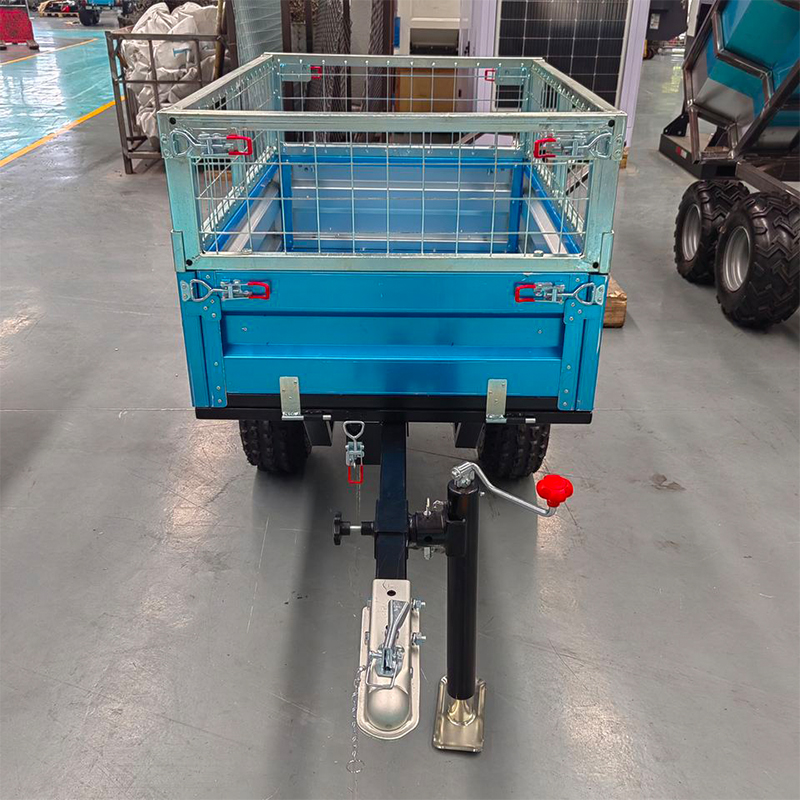
Attachments Can Change the Calculation
Excavator operating weight tells the complete transport story. Contractors may carry a bucket, hydraulic thumb, quick coupler, breaker, auger or additional attachment with the machine. Each item consumes part of the payload.
- Standard bucket: Add its weight to the transport calculation.
- Hydraulic attachments: Heavy thumbs and breakers can noticeably reduce capacity.
- Additional buckets: A second attachment may turn a load into a marginal one.
- Tools and accessories: Chains, binders, spare parts, fuel containers and toolboxes also contribute to weight.
Current transport guidance recommends calculating the machine in its transport configuration rather than relying solely on its base operating weight.
How Much Payload Does a Mini Excavator Really Need?
Machine classes vary widely. A compact excavator around 1,700 kg requires a trailer configuration from a machine approaching 2,800 kg or more. Published equipment transport data shows examples ranging from 1,700 kg machines to 2,100 kg models with heavier plant trailers used as machine weight increases.
Consider an example:
- Trailer GVWR: 3,500 kg
- Trailer tare weight: 650 kg
- Available nominal payload: 2,850 kg
- Excavator and standard bucket: 2,350 kg
- Additional equipment: 150 kg
- Remaining payload: approximately 350 kg
The calculation appears workable yet the remaining capacity needs to be compared with the actual trailer certification, axle ratings, tire ratings, hitch limitations and local towing regulations before transport.
Axle Capacity Can Become the Next Constraint
Payload does not exist independently from the trailers running gear. Axles, wheels, tires, suspension, brakes, coupler and frame all have rated limits. A trailer may carry a GVWR but the loaded machine still needs to remain within each applicable component rating.
Check the axle rating than relying only on advertised GVWR. Confirm tire load capacity matches the expected axle load. Review brake capacity for the loaded combination. Keep the load distribution within the trailer manufacturers specifications.
Bobcat transport guidance also advises that smaller excavators may opt for trailers in the 10,000-pound range, while heavier equipment may need 20,000- to 30,000-pound equipment trailers.
Trailer weight impacts tow-vehicle capacity
That towing capacity is consumed by the trailer itself. A heavy steel deck, tilt system, larger ramps, toolboxes, spare tires and upgraded running gear can increase the tare weight. Lightweight configurations may preserve payload for the excavator while heavier equipment trailers can provide additional structural capacity.
That creates a balance: higher trailer GVWR does not automatically mean unlimited excavator capacity. The tow vehicle must also be rated for the loaded trailer combination.
Could a Scale Reveal a Result?
Yes. Published machine specifications describe configurations while the actual transport setup can vary. Fuel level, attachments, optional equipment, mud on tracks and tools can all change the figure.
- Weigh the excavator in its transport configuration.
- Weigh the trailer with installed accessories.
- Check loaded axle weights where applicable.
- Compare the measured figures with trailer and towing-vehicle ratings.
A certified scale reading can provide a picture than relying on estimated figures from separate equipment specifications.
What Should Buyers Check Before Transport?
The payload question is ultimately about the combination rather than the trailer alone. Suitable mini excavator plant trailers need capacity for the machine, attachments, equipment and loading accessories while staying within axle, tire, brake, hitch and towing-vehicle limits.
- Actual excavator transport weight
- Trailer tare weight and certified GVWR
- Attachment and accessory weight
- Axle, tire and braking ratings
- Tow-vehicle capacity
- Local road-weight and licensing requirements
Payload can be the hidden limit simply because advertised trailer capacity does not equal the weight for the excavator. Matching the transport configuration with the trailers certified ratings gives contractors a clearer basis, for choosing mini excavator plant trailers that can handle the intended machine and equipment load.
Related Products
-
 View More
-
 View More
Heavy-Duty Steel Flatbed Two-Wheel Car Trailer
-
 View More
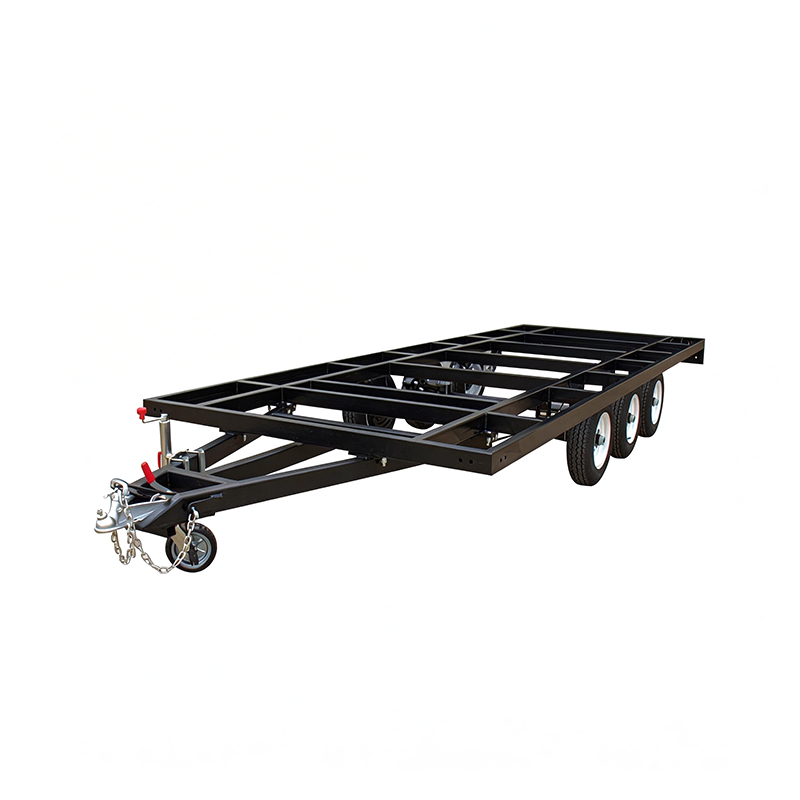
Portable and Corrosion-Resistant Small Aluminum Car Trailer
-
 View More
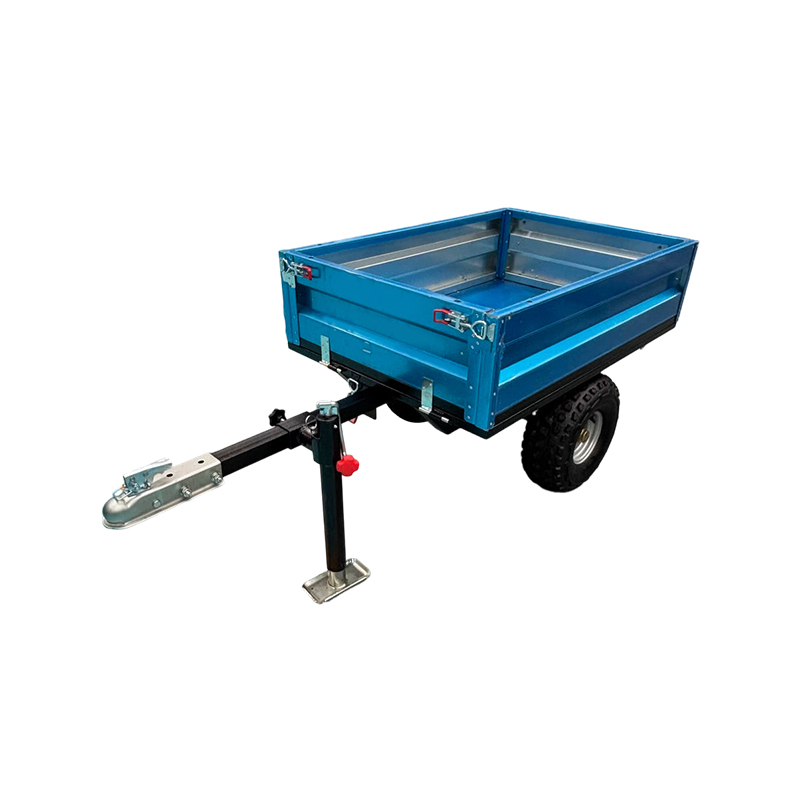
Galvanized Plate Aluminum Car Trailer With High Load Capacity
-
 View More
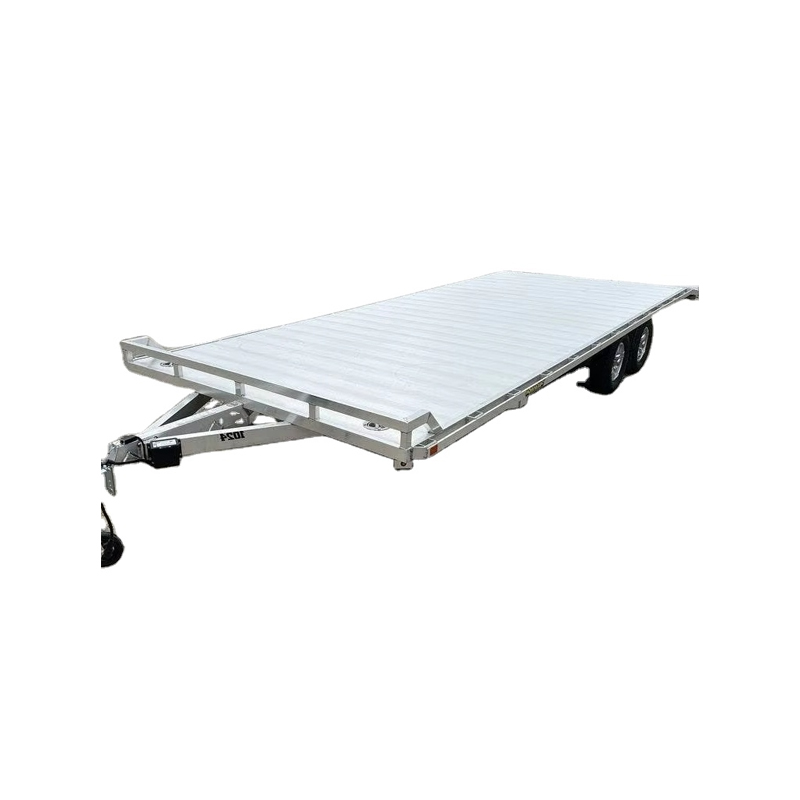
2001-3000 kg Blue Single Steel Cage Car Trailers Trailer
-
 View More
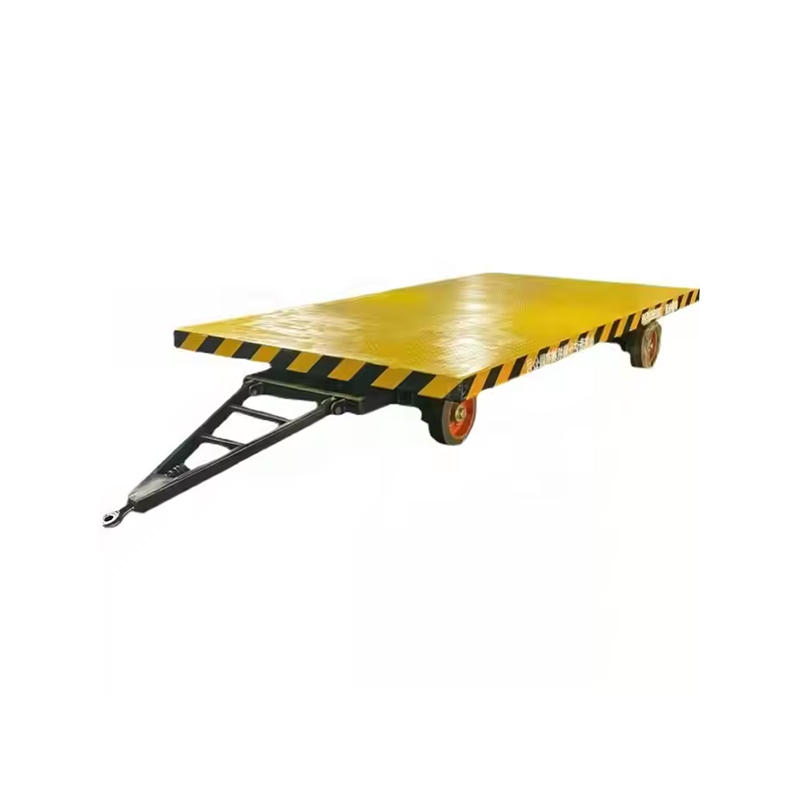
High-Performance Aluminum ATV UTV Golf Cart Car Trailer
-
 View More
Heavy Duty Double Axle Semi Trailer Flatbed Truck Trailer
-
 View More
Mobile Moving Car Trailer With Fenders
-
 View More
ATV Motorcycle All-terrain Trailer
-
 View More
Metal Galvanised ATV Off-Road Car Trailer
-
 View More
Mobile LED Display Chassis Semi Car Trailer
-
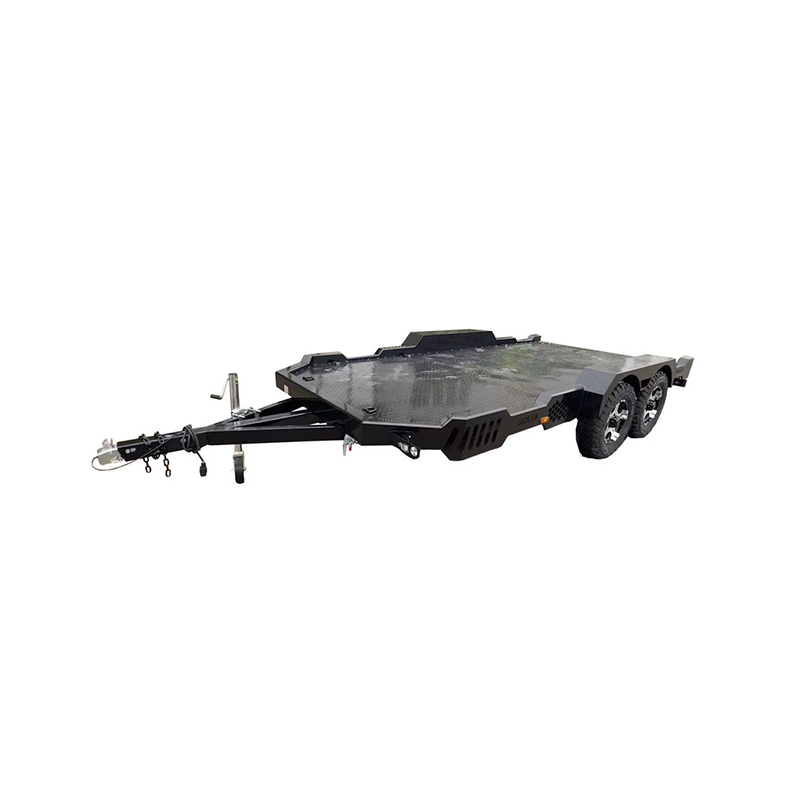 View More
Multipurpose Truck Utility Trailers with Leaf Spring
-
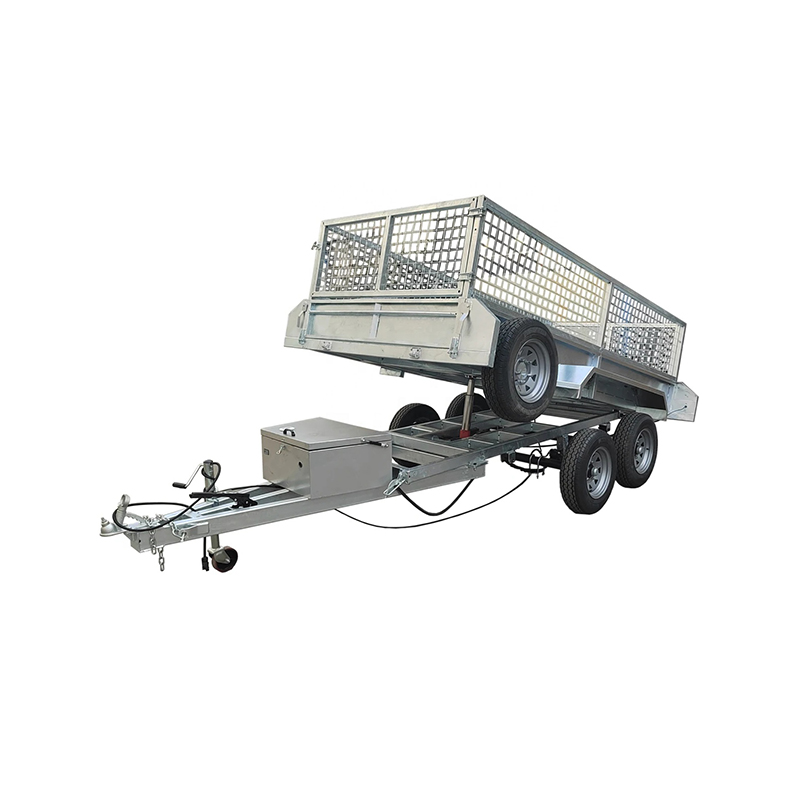 View More
Galvanised Tandem Farm Plant Tipping Hydraulic Trailer
-
View More
Hot Dip Galvanized Finish Silver Single Car Trailer
-
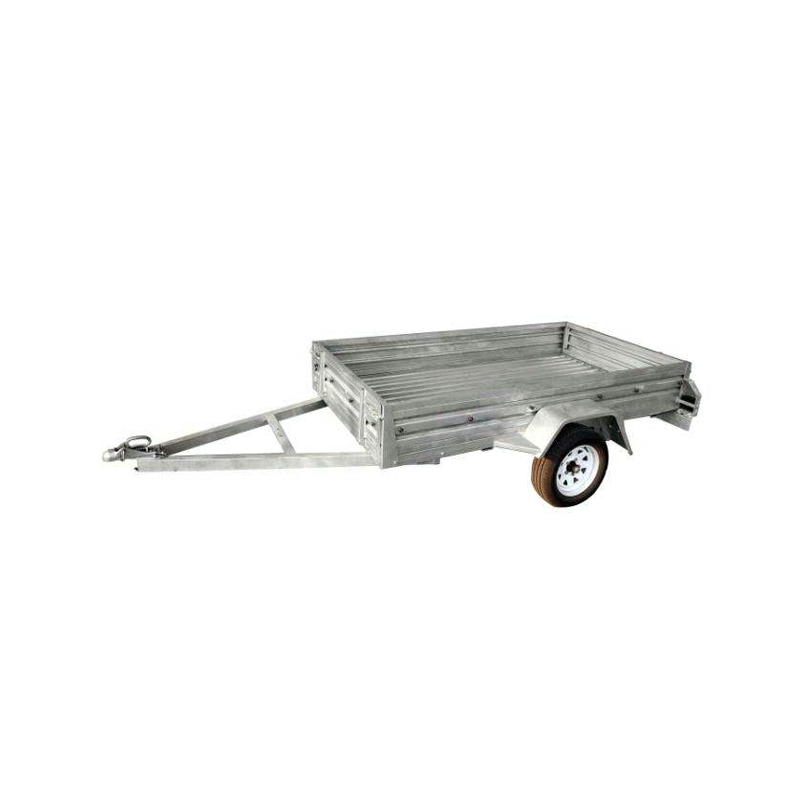 View More
Aluminum Car Trailer with Steel Box Finish Plate Galvanized Wheel
-
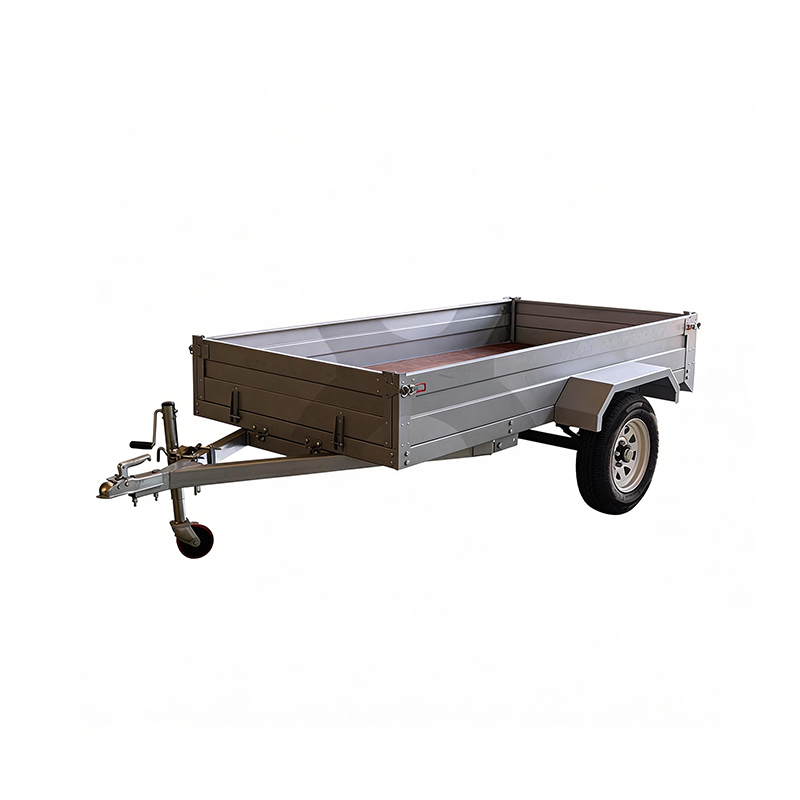 View More
Single Axle Metal Pull Behind Car Trailer
-
 View More
Galvanished Powder Coated Double Axle Car Trailer
-
 View More
2 Axle Steel Q235 Small Equipment CarTrailer
-
 View More
Double Axle Steel Frame Small Car Trailer
-
 View More
Double Axle Small Excavator Car Dolly Trailer

Products
Quick link
CONTACT US
- Phone: +86 15157058370
- Email: [email protected]
- Address: No. 11, Juhai Second Road, Qujiang District, Quzhou City, Zhejiang Province, China
Copyright © Zhejiang Zebang Machinery Co., Ltd. All Rights Reserved.
