
 +86 15157058370

 Language
 English
 Español
 عربى

Get In Touch
Buy or Lease a Solar Monitoring Trailer for Temporary Sites
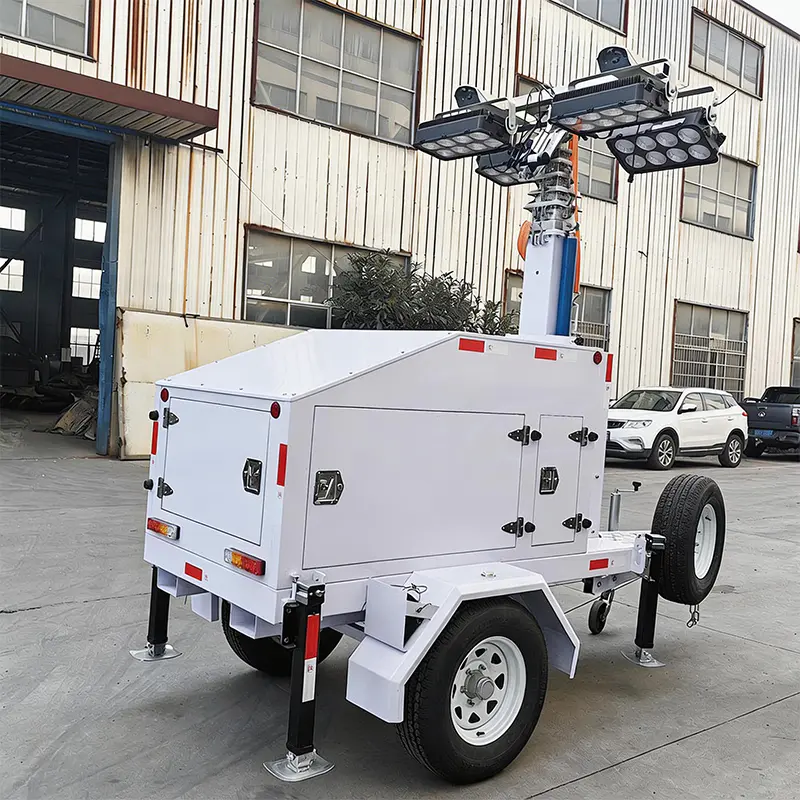
Temporary construction projects, roadworks, outdoor events, and remote infrastructure sites often require dependable surveillance without permanent electrical connections. Purchasing equipment for a project that lasts only a few months can tie up capital, while renting repeatedly may become expensive across several deployments. At Zhejiang Zebang Machinery Co., Ltd., we help customers evaluate mobile trailer solutions according to their project duration, monitoring requirements, and future deployment plans. A Solar Monitoring Trailer provides a mobile platform for surveillance equipment, solar power generation, battery storage, and remote communication, making it suitable for locations where fixed installations are impractical.
The decision to buy or lease depends on more than the initial price. Project schedules, transportation arrangements, equipment specifications, service responsibilities, and the number of future deployments all influence the total cost. Understanding these factors before requesting a quotation helps contractors, security service providers, and equipment distributors make a more informed purchasing decision.
1. Start With the Expected Project Duration
The planned operating period provides a useful starting point for comparing ownership with rental arrangements. Temporary projects rarely share the same schedule, so the procurement method should reflect the actual work plan rather than a general assumption about equipment costs.
- Short-term projects: Renting may suit a construction phase, temporary traffic control operation, public event, or emergency response assignment. Customers can avoid a large initial equipment purchase and return the unit after the agreed rental period.
- Medium-term projects: A rental agreement or lease arrangement may provide flexibility during projects with uncertain completion dates. Buyers should review extension charges, equipment replacement terms, and transportation costs before signing.
- Repeated deployments: Purchasing becomes worth evaluating when the same equipment can serve multiple sites over several years. Contractors and security providers may benefit from maintaining their own equipment inventory for scheduled projects.
We recommend preparing a realistic deployment calendar before comparing quotations. Include installation dates, expected operating periods, possible project extensions, and the time required to relocate equipment between sites. This information gives our team a clearer basis for discussing the required trailer configuration and helps customers compare different procurement arrangements.
2. Compare Total Ownership Costs With Rental Expenses
The purchase price represents only part of the financial commitment associated with owning mobile monitoring equipment. Rental fees may include certain services, while ownership transfers more responsibility for equipment management to the buyer. A meaningful comparison should cover the full period of intended use.
Costs to Review Before Renting
- Rental charges: Confirm whether the quotation uses a daily, weekly, monthly, or project-based rate.
- Delivery and collection: Check whether transportation to the site, collection after deployment, and relocation between sites are billed separately.
- Service coverage: Identify which party handles troubleshooting, replacement equipment, and technical support.
- Contract conditions: Review extension rates, early-return provisions, damage responsibilities, and any deposit requirements.
Costs to Include When Buying
- Initial investment: Include the trailer, solar panels, batteries, mast, camera equipment, and communication hardware specified in the order.
- Operating expenses: Account for cellular data, video storage, monitoring software subscriptions, and other recurring services required by the chosen system.
- Ownership responsibilities: Budget for inspections, battery replacement when necessary, component repairs, and technical support outside the warranty scope.
- Resale or redeployment value: Consider whether the equipment can serve future projects or retain value after the current assignment ends.
For example, a contractor planning a four-month project could compare the full rental charge, transportation fees, and optional service costs against the purchase price plus expected operating expenses over the same period. A company with several projects scheduled over the next few years should also calculate the cost of moving and operating its own unit across those assignments.
We do not recommend using a universal break-even period for every buyer. Actual results depend on the quotation, deployment frequency, service package, equipment configuration, and local operating conditions. Customers should request itemized pricing so that each cost can be evaluated against their own project plan.
3. Match the Trailer Configuration to the Monitoring Task
Rental or purchase decisions should not be separated from technical requirements. A low initial price offers limited value if the equipment cannot support the required cameras, communication systems, or operating schedule. At Zebang, we provide mobile monitoring trailer solutions that can be configured around different site requirements.
Our published Solar Monitoring System Mobile CCTV Trailer specification describes several components that buyers can review before requesting a quotation.
- Solar panels: Monocrystalline photovoltaic panels convert sunlight into electricity for the onboard system.
- Battery storage: A LiFePO₄ battery bank stores energy for operation during nighttime and periods without sufficient sunlight. The published model describes autonomous operation for up to 5–7 days without sunlight; actual runtime depends on the equipment load and operating conditions.
- Telescopic mast: The published configuration supports mast extension up to 10 meters, subject to the specified model and configuration.
- Cellular connectivity: A 4G LTE router supports remote video transmission to authorized viewing devices or a control center, subject to network coverage and the selected system.
- Trailer chassis: A heavy-duty trailer frame supports mobile deployment between suitable locations.
- Weather protection: The published model specifies a hot-dip galvanized steel frame and IP65-rated enclosures. Buyers should confirm the protection ratings of the individual components included in their quotation.
These details provide a reference for technical discussions, rather than a guarantee that every configuration includes identical components. Our team can review camera quantities, power demand, mast requirements, battery capacity, and communication needs with customers before confirming the proposed specification.
4. Evaluate Solar Capacity and Battery Autonomy
Temporary sites may operate in locations with changing weather, seasonal daylight variations, or partial shade from buildings and equipment. Solar generation and battery storage therefore deserve careful attention during procurement.
- Estimate the daily electrical load: List the power consumption of cameras, routers, recording devices, and additional accessories. Continuous recording and frequent pan-tilt-zoom activity may affect the energy budget.
- Check battery autonomy: Determine how many days the system needs to operate without adequate solar charging. Confirm whether the stated runtime applies to the proposed camera package and usage pattern.
- Review seasonal conditions: A location with limited winter sunlight may require a different power configuration from a site with consistent solar exposure.
- Plan for additional equipment: Adding cameras, communication devices, or warning systems changes the overall power demand. Confirm the available capacity before expanding the installation.
These checks matter to rental customers as well as equipment owners. A rented unit must satisfy the project's operational requirements, while a purchased unit may need to support several sites with different environmental conditions. Sharing the expected load and deployment location with us helps establish a more suitable specification before the order is finalized.
5. Consider Transportation and Deployment Requirements
A mobile trailer is intended to move between locations, but transportation arrangements still require planning. Site access, towing compatibility, ground conditions, and the available setup area can influence both rental expenses and ownership costs.
- Confirm towing compatibility: Check the trailer's gross vehicle weight rating, loaded weight, hitch requirements, braking equipment, and the towing vehicle's permitted capacity. Applicable road regulations also need to be considered.
- Inspect site access: Narrow entrances, uneven ground, restricted turning areas, and overhead obstructions may affect where the unit can be positioned.
- Allow room for deployment: Mast extension and stabilizing supports require adequate clearance. Ground conditions must support the deployed equipment safely.
- Coordinate relocation: Establish who will transport the trailer, prepare it for movement, and reconnect the monitoring system at the next site.
Our published monitoring trailer model describes deployment in under 15 minutes. Buyers should verify the conditions and configuration associated with this figure, since transportation, site preparation, stabilization, camera setup, and network commissioning may require additional time.
6. Review Supplier Support and Customization Options
The supplier relationship can affect the equipment's suitability throughout its service life. A rental provider may offer a bundled service package, while a direct equipment purchase may require the buyer to arrange connectivity, installation, and ongoing technical support separately.
As Zhejiang Zebang Machinery Co., Ltd., we offer OEM and ODM services for trailer and mobile solar energy products. Customers evaluating a monitoring trailer can discuss their application requirements with our team and clarify the proposed configuration before placing an order.
- Technical documentation: Request the agreed specifications, electrical ratings, component details, and operating instructions.
- Warranty terms: Confirm the warranty period, covered components, exclusions, and procedure for handling claims.
- Spare parts availability: Ask about replacement components and the process for obtaining technical assistance during future deployments.
- Customization scope: Clarify which changes to the mast, battery system, solar panels, trailer structure, and monitoring equipment are available for the intended order.
- Service responsibilities: Establish who manages camera software, cellular subscriptions, remote monitoring access, and any third-party services not included with the trailer.
Clear communication before purchase helps prevent misunderstandings about what the equipment includes. We encourage customers to document their technical requirements and request written confirmation of the agreed specifications, accessories, and service arrangements.
7. A Practical Buy-or-Lease Comparison
The following checklist summarizes the main factors to review before making a procurement decision.
| Decision Factor | Rent or Lease | Purchase |
| Project duration | Suitable for short assignments or uncertain schedules, depending on contract terms | Worth evaluating for recurring or extended deployments |
| Initial capital | Usually requires less upfront investment than purchasing | Requires a larger initial payment or financing arrangement |
| Maintenance | Responsibilities depend on the service agreement | Owner manages costs outside the agreed warranty or support coverage |
| Equipment availability | Depends on rental inventory and contract availability | Equipment can be scheduled across projects, subject to transport and readiness |
| Customization | Limited by the rental provider's available configurations | May offer greater flexibility through an agreed OEM or ODM specification |
| Future deployment | Requires another rental arrangement for later projects | Supports reuse across sites when the configuration remains suitable |
Before making a final decision, calculate the expected total cost for the intended operating period and compare it with the benefits of retaining the equipment. A rental agreement may be appropriate for a single event or a short construction phase. Purchasing may be more attractive to businesses with a regular pipeline of projects and the resources to manage their equipment fleet.
8. Prepare a Clear Request for Quotation
A detailed request for quotation allows us to understand the application and respond with a configuration that matches the project. Customers do not need to finalize every technical detail independently, but providing the available information can make the discussion more productive.
- Project location and expected deployment duration.
- Required camera quantity, resolution, viewing range, and recording arrangements.
- Expected daily power consumption and required battery autonomy.
- Preferred mast height and any additional monitoring or communication equipment.
- Transportation requirements, site access limitations, and expected relocation frequency.
- Requested warranty coverage, documentation, customization, and technical support.
Buyers should also specify whether they are evaluating a single unit or equipment for multiple projects. This helps us understand the intended deployment pattern and discuss the appropriate product configuration and commercial terms.
Make the Decision Around Your Actual Deployment Plan
Renting and purchasing serve different operational needs, and neither arrangement is automatically suitable for every temporary site. Rental can provide flexibility for short assignments, while ownership can support businesses that reuse monitoring equipment across multiple projects. The right decision depends on the complete cost comparison, power requirements, transportation arrangements, and support available throughout the deployment period.
At Zhejiang Zebang Machinery Co., Ltd., we work with customers to discuss mobile trailer requirements and OEM or ODM configuration options. Share your project duration, monitoring equipment list, expected operating conditions, and future deployment plans with our team. We can then discuss a suitable trailer specification and provide quotation details for your evaluation.
Visit our monitoring trailer product page to review the available models, or contact Zebang directly to discuss a solution for your temporary construction site, remote facility, outdoor event, or other mobile monitoring application.
Related Products
-
 View More
-
 View More
Heavy-Duty Steel Flatbed Two-Wheel Car Trailer
-
 View More
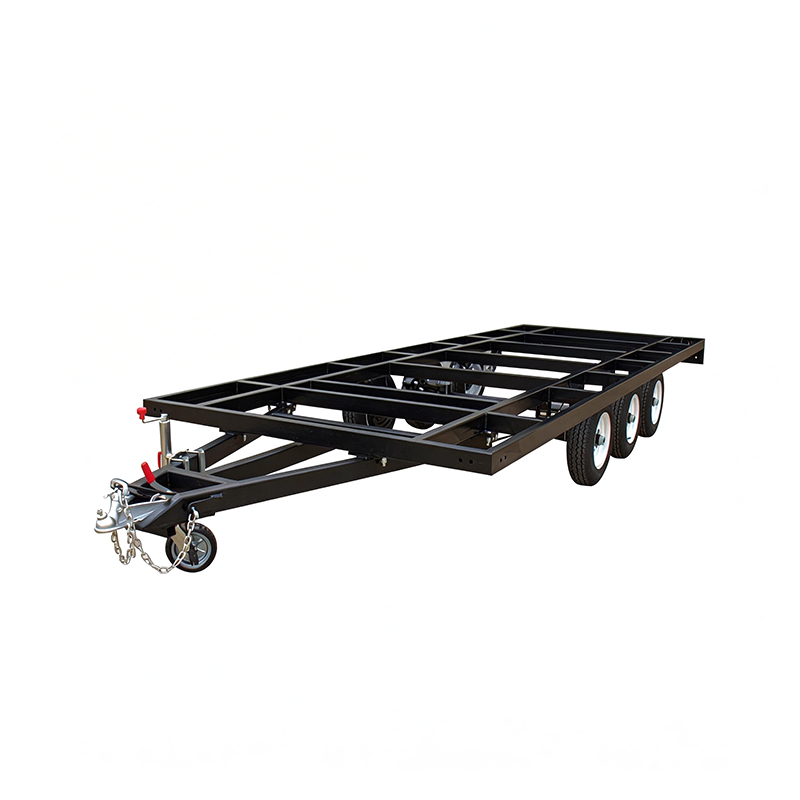
Portable and Corrosion-Resistant Small Aluminum Car Trailer
-
 View More
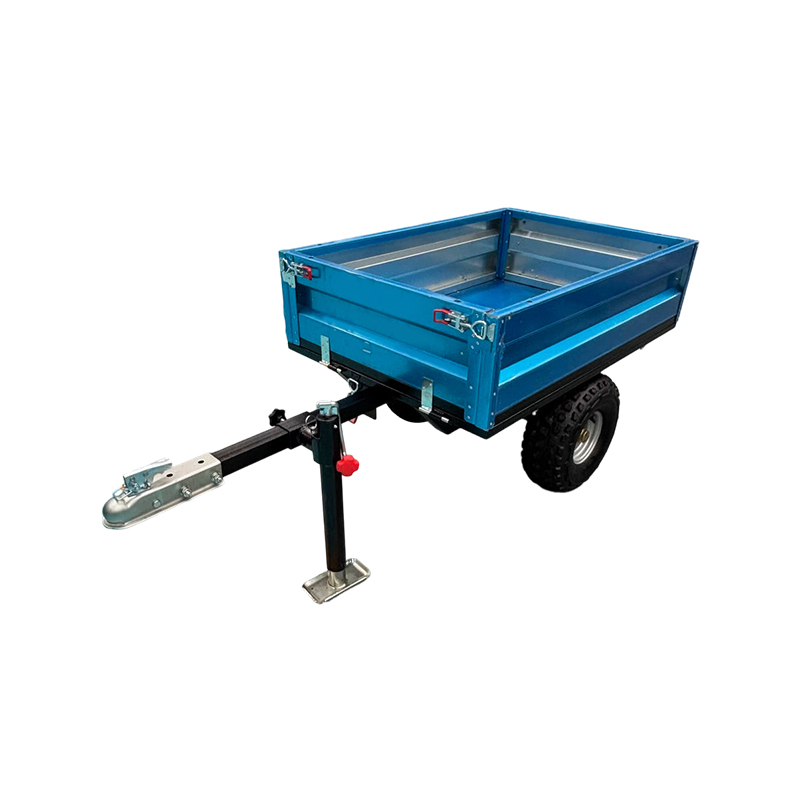
Galvanized Plate Aluminum Car Trailer With High Load Capacity
-
 View More
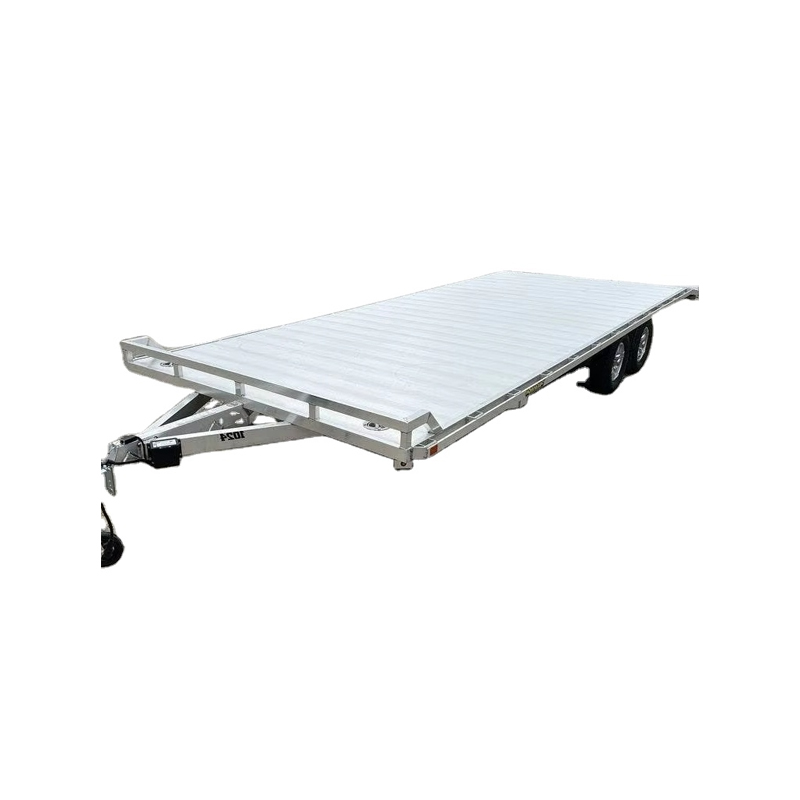
2001-3000 kg Blue Single Steel Cage Car Trailers Trailer
-
 View More
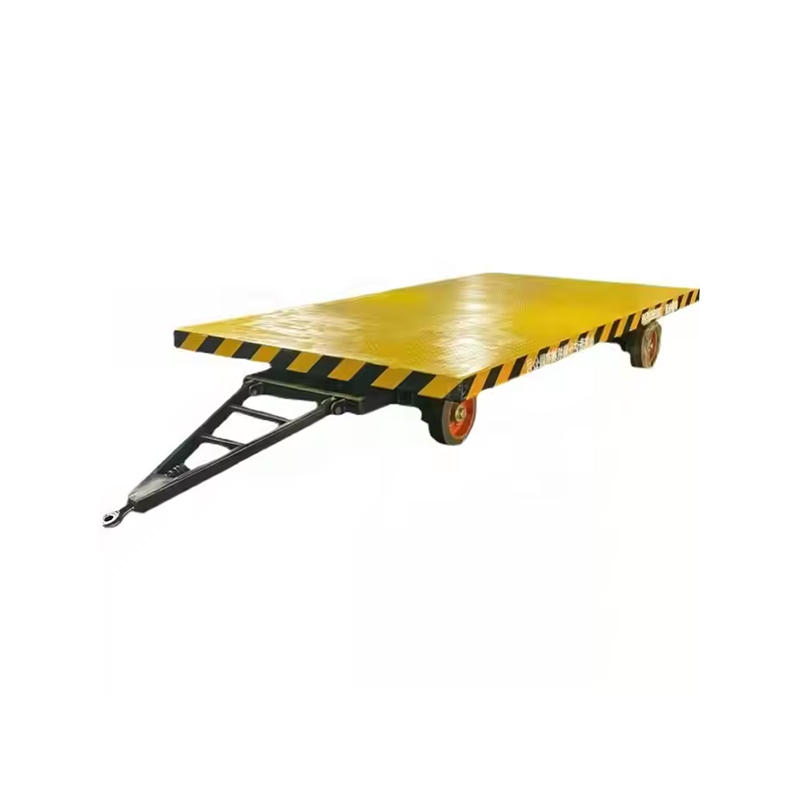
High-Performance Aluminum ATV UTV Golf Cart Car Trailer
-
 View More
Heavy Duty Double Axle Semi Trailer Flatbed Truck Trailer
-
 View More
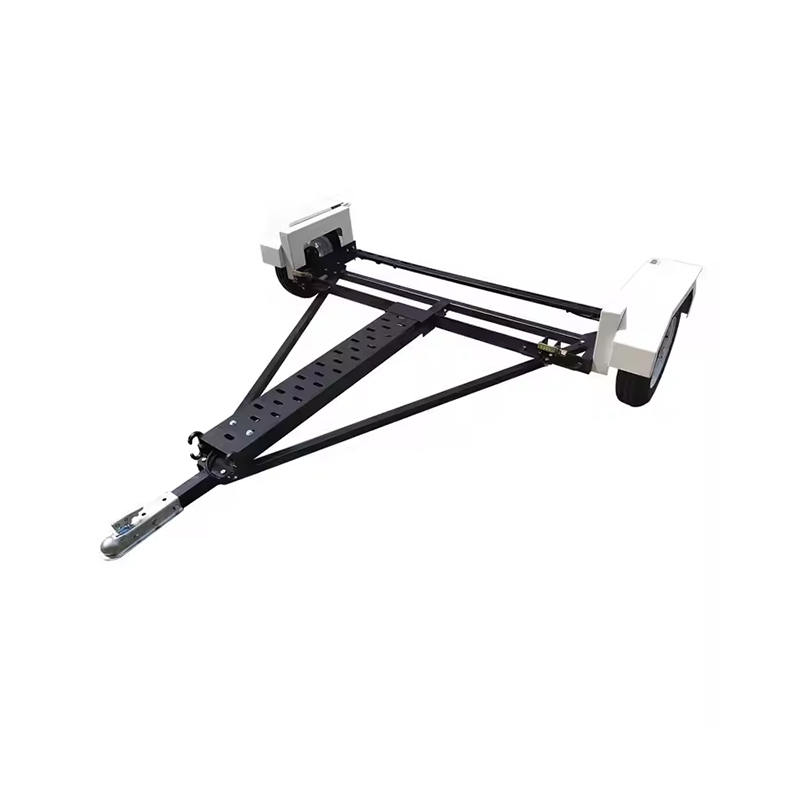
Mobile Moving Car Trailer With Fenders
-
 View More
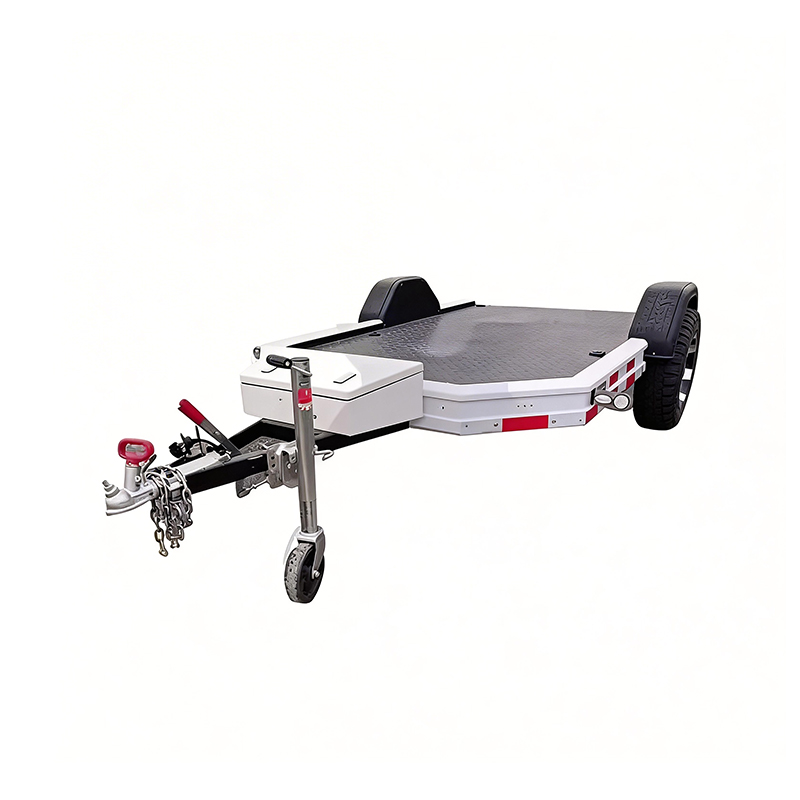
ATV Motorcycle All-terrain Trailer
-
 View More
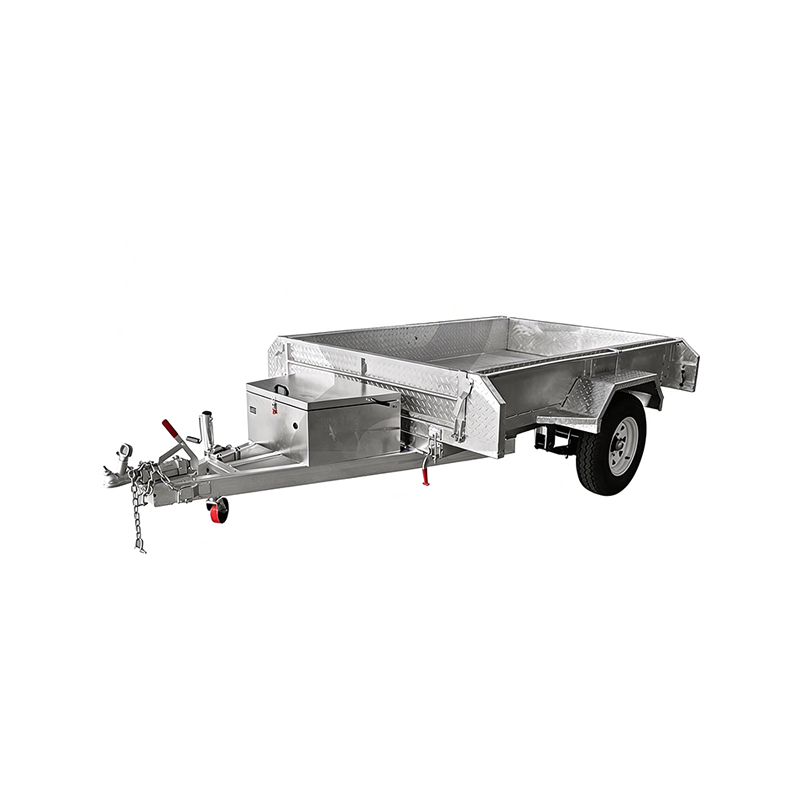
Metal Galvanised ATV Off-Road Car Trailer
-
 View More
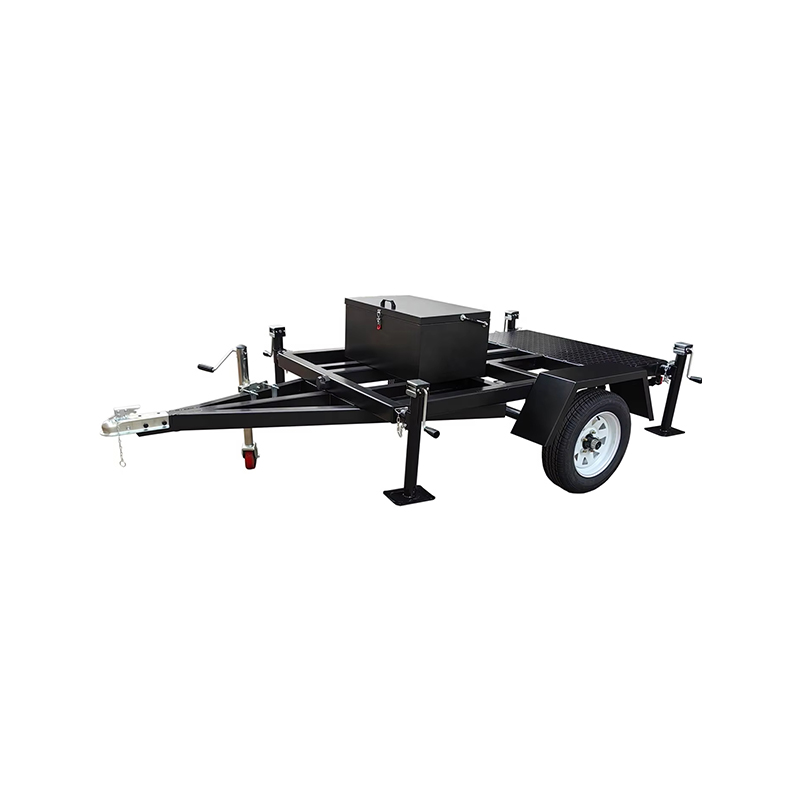
Mobile LED Display Chassis Semi Car Trailer
-
 View More
Multipurpose Truck Utility Trailers with Leaf Spring
-
 View More
Galvanised Tandem Farm Plant Tipping Hydraulic Trailer
-
View More
Hot Dip Galvanized Finish Silver Single Car Trailer
-
 View More
Aluminum Car Trailer with Steel Box Finish Plate Galvanized Wheel
-
 View More
Single Axle Metal Pull Behind Car Trailer
-
 View More
Galvanished Powder Coated Double Axle Car Trailer
-
 View More
2 Axle Steel Q235 Small Equipment CarTrailer
-
 View More
Double Axle Steel Frame Small Car Trailer
-
 View More
Double Axle Small Excavator Car Dolly Trailer

Products
Quick link
CONTACT US
- Phone: +86 15157058370
- Email: [email protected]
- Address: No. 11, Juhai Second Road, Qujiang District, Quzhou City, Zhejiang Province, China
Copyright © Zhejiang Zebang Machinery Co., Ltd. All Rights Reserved.
