The Farmers Trailer Guide: Types, Tipping and Legal Limits
A farm trailer is not another piece of equipment. It is the backbone of farm work. You use it to move hay between fields, haul gravel or transport animals. The right trailer can save you hours of work. Reduce wear on your vehicle. Here is what you need to know when choosing, using and following the law with farm trailers.
Common Farm Trailer Types and How to Choose
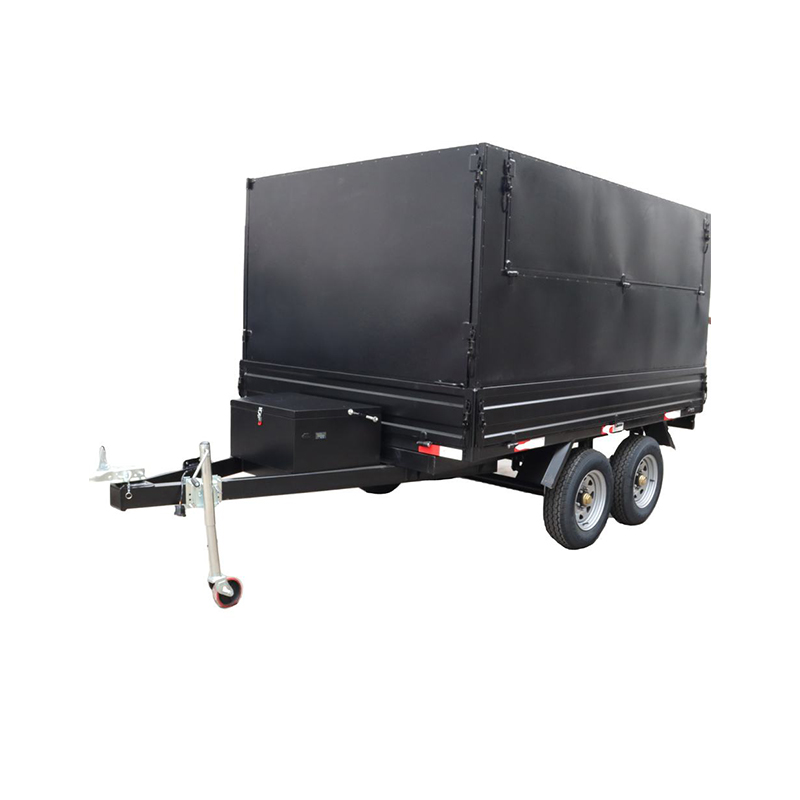
Farm trailers come in types each built for specific jobs. You need to match the type to your tasks so you do not buy too much or too little.
| Trailer Type |
Typical Capacity |
Best For |
| Flatbed |
7,000–14,000 lbs |
Equipment, lumber, hay bales |
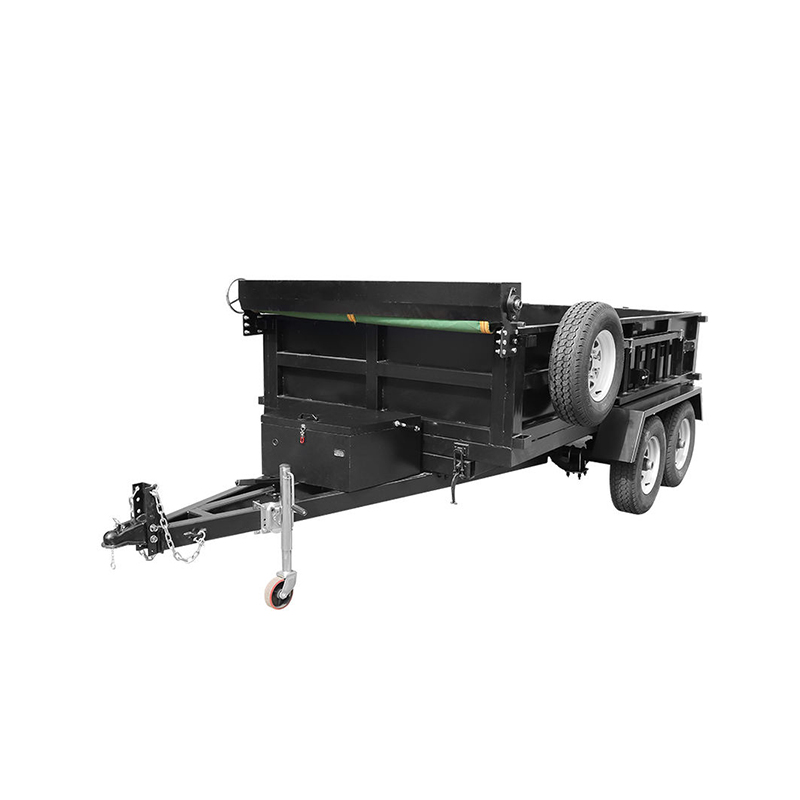
| Dump |
4,000–5,000+ lbs |
Gravel, soil, manure, grain |
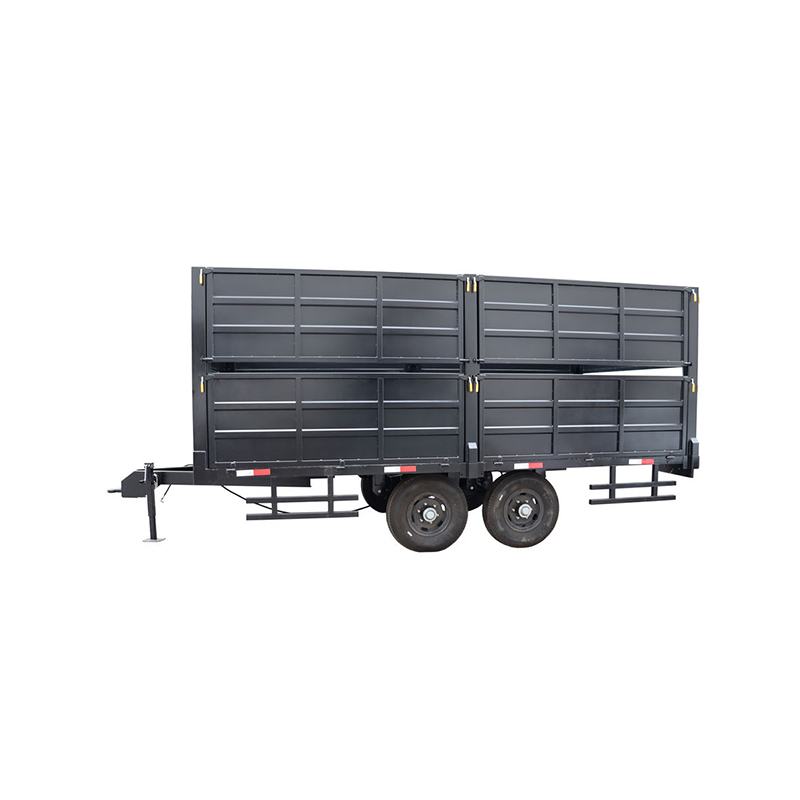
| Livestock |
Varies widely |
Cattle, horses, pigs, sheep |
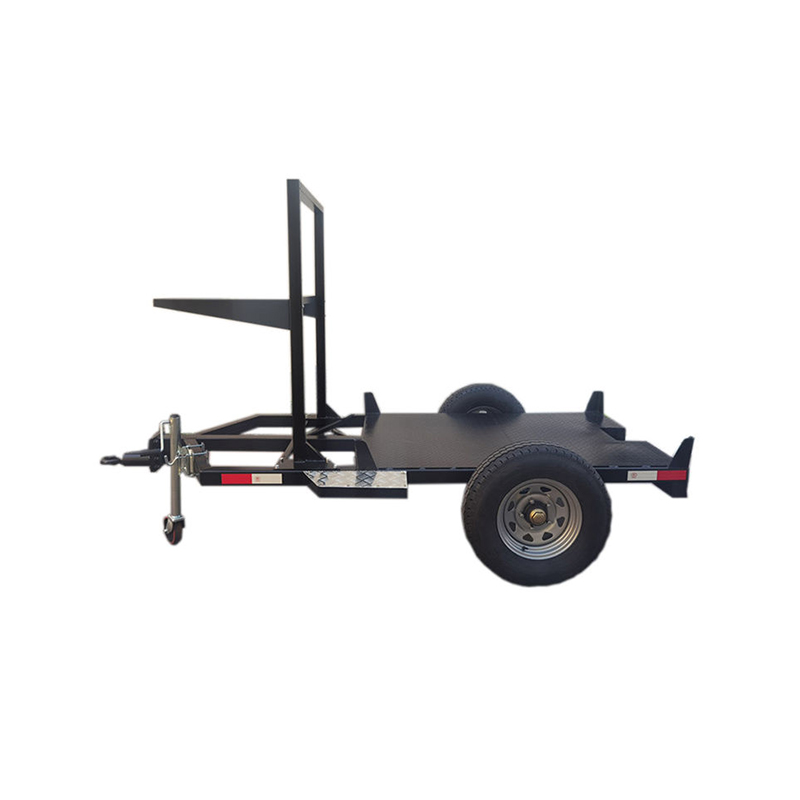
| Utility |
1,600–6,000 lbs |
Bagged feed, tools, fencing |
Making the Right Call
- Do you have a lot of equipment? Flatbeds can handle loads and small tractors. They are very useful.
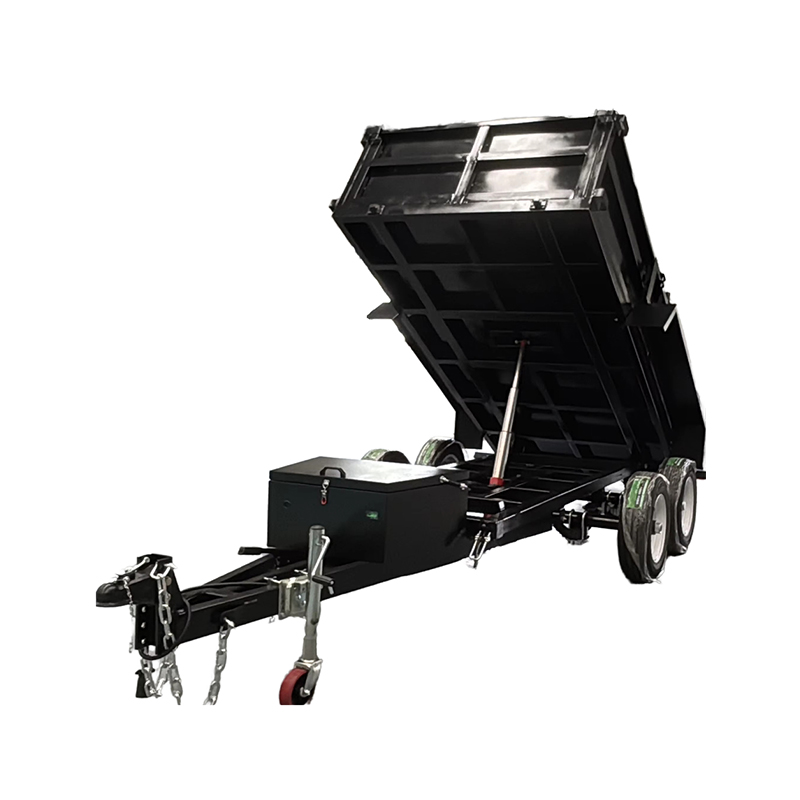
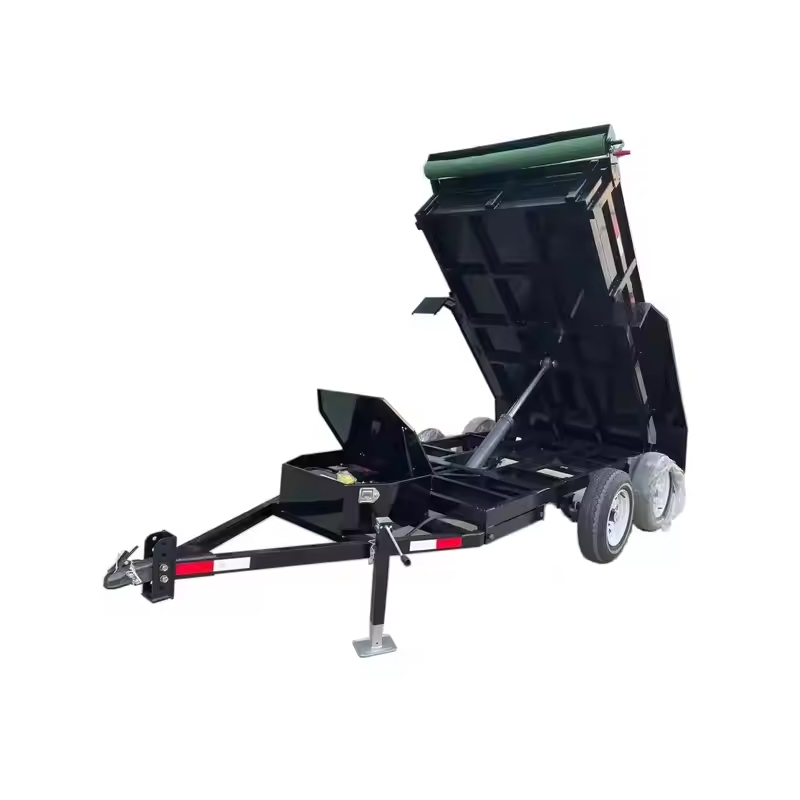
- If you move materials every week a dump trailer is a good choice. It saves you time and effort.
- If you work with animals, you need a trailer with ventilation non-slip flooring and secure gates. You cannot compromise on these things.
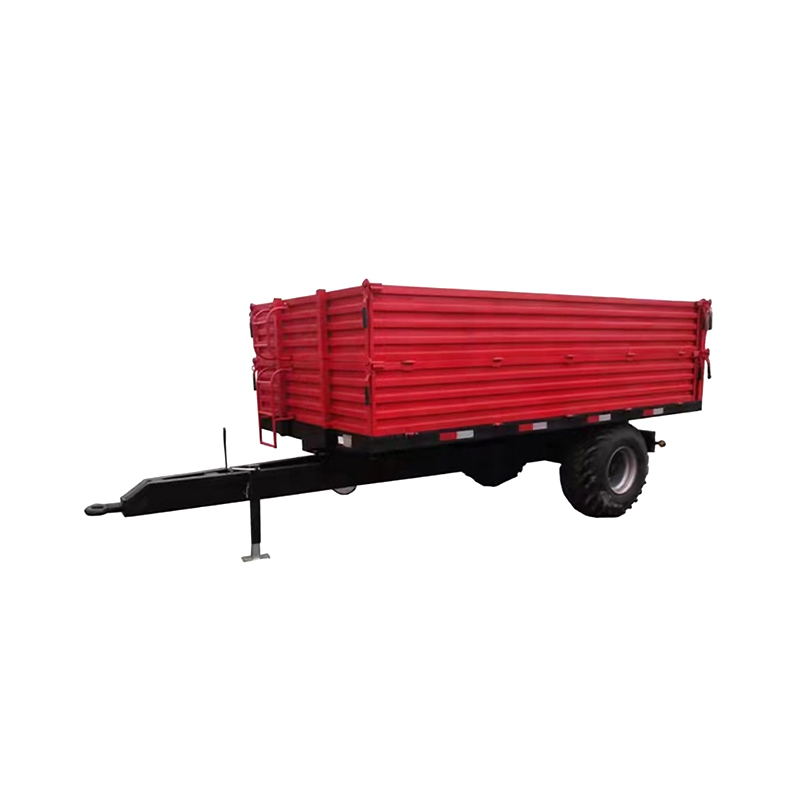
- If you have a farm, a 10–14 foot utility or flatbed trailer is enough. You can use it for things.
- If you have a farm you need a 16–20 foot trailer. It helps you make trips.
Hydraulic vs. Manual Tipping—Which Dump Farm Trailer Wins?
For dump trailers, the way you tip them affects how fast you can unload how much strain you put on your body and how much maintenance you need to do.
Hydraulic Tipping
Pros:
- You can unload materials quickly and easily.
- You just push a lever.
- It reduces the strain on your body and the risk of injury.
- You can control the dumping in spaces.
Cons:
- It costs more to buy.
- It is more complex to maintain.
- The parts are expensive to repair.
- You need a tractor with hydraulics.
Manual Tipping
Pros:
- It costs less to buy.
- It has parts so it needs less maintenance.
- You do not need a hookup.
Cons:
- It is hard to use with wet loads.
- It takes longer to unload.
- You can only use it for capacities.
Which Fits Your Farm?
If you dump materials like gravel, soil or manure regularly hydraulic tipping is a good choice.
It saves you time. Reduces the strain on your body.
If you only tip materials occasionally or your tractor does not have hydraulics, manual tipping is a good choice.
It is simpler and cheaper.
Before you buy or build a single-axle trailer you need to know the limits.
These are the rules but states can have stricter rules.
| Dimension |
Federal Limit |
Notes |
| Width |
8 feet 6 inches (102") |
Standard for most farm trailers |
| Height |
13 feet 6 inches |
Some states allow 14' for special types |
| Trailer Length |
40 feet (typical) |
Some states allow 53' with tractor combination |
| Single-Axle Weight |
20,000 lbs |
Loaded weight—trailer plus cargo |
State-by-State Reality
While the federal rules set the baseline states can have rules.
- For example, Wyoming allows 8'6" width, 14' height and 20,000 lb single-axle.
- Pennsylvania allows 8'6" width, 13'6" height and 40' trailer length.
- Kentucky allows 8'6" width, 13'6" height and 20,000 lb single-axle.
Critical Points to Remember
- If you exceed these limits without a permit you are in trouble. You can only use highways, or you will get fined.
- Single-axle trailers are more sensitive to weight distribution than tandem trailers. You need to stay under 20,000 lbs loaded.
- Your vehicle needs to be able to handle the weight of the trailer and the cargo. It is not, about the empty trailer weight.
So before you buy a trailer you need to check your states rules. Local rules can override rules and permit requirements can vary.

 +86 15157058370
 Language
  English
 Español
 عربى
عربى