
 +86 15157058370
 Language
  English
 Español
 عربى
عربى
Get In Touch
Are Solar Light Tower Trailers Ready for Remote Jobsite Challenges
Remote jobsites often create difficult working conditions where traditional power sources are unavailable or expensive to install. Construction areas, mining locations, road projects, emergency response zones, and outdoor events require reliable lighting solutions that can be moved quickly and operated independently. This has increased interest in solar-powered mobile lighting equipment, especially trailer-based systems designed for off-grid environments. Many modern solar light towers combine LED technology, battery storage, adjustable masts, and trailer mobility to provide continuous illumination without depending on permanent electrical infrastructure.

Remote Work Areas Demand Flexible Lighting Solutions
A remote jobsite usually involves several challenges: limited access to electricity, changing locations, harsh weather exposure, and strict requirements for nighttime visibility. Fixed lighting systems may require additional cables, generators, or installation work, which can increase preparation time and operating complexity.
A Trailer-Mounted Solar Led Light Tower offers a mobile alternative by integrating solar panels, energy storage, LED floodlights, and a towing platform into one complete unit. Operators can transport the equipment to different areas, position the trailer, extend the mast, and create a temporary lighting zone within a short period.
- Construction sites without grid power connections.
- Mining and quarry operations located far from urban areas.
- Emergency repair projects after storms or natural disasters.
- Temporary security lighting for large outdoor spaces.
Solar Power Systems Improve Off-Grid Operation
The energy system is one of the key components that determines whether a solar light tower can support remote applications. Modern units typically combine photovoltaic panels with lithium batteries or other rechargeable storage systems. Solar panels collect energy during daylight hours, while batteries supply power during nighttime operation.
Some industrial solar lighting trailers use multiple solar panels with high-capacity battery banks to extend working hours. For example, certain systems are equipped with several hundred watts of solar charging capacity and lithium battery storage designed to support long operating periods. Larger models may provide dozens of hours of lighting depending on lamp configuration, battery capacity, and weather conditions.
Key Energy System Features
- Solar charging efficiency: High-quality photovoltaic panels help recover energy during daytime operation.
- Battery capacity: Larger storage systems support longer nighttime illumination and backup operation during cloudy conditions.
- Smart controllers: Advanced controllers manage charging, battery protection, and lighting schedules.
LED Technology Provides Wide-Area Jobsite Coverage
LED lighting has become a common choice for mobile light towers because it delivers strong illumination with lower energy consumption compared with traditional lighting technologies. A solar trailer equipped with multiple LED lamps can cover large working areas while maintaining stable brightness.
Typical configurations may include four or more LED floodlights mounted on an adjustable mast. Depending on the design, light output can reach tens of thousands of lumens, making these systems suitable for construction zones, road maintenance, and security applications. Some commercial solar lighting trailers provide up to 75,000 lumens with extended mast systems for large outdoor areas.
- Adjustable beam angles for different site layouts.
- High-efficiency LED modules for extended battery operation.
- Weather-resistant lamp housings for outdoor environments.
Mobility Makes Deployment Easier Across Multiple Sites
Remote projects often move from one location to another, making portability an important factor. Trailer-mounted lighting equipment allows operators to relocate lighting zones without installing new electrical systems.
A durable trailer frame, towing connection, stabilizing outriggers, and adjustable mast structure help improve deployment flexibility. Some light tower trailers use hydraulic or electric lifting systems to raise the mast several meters above the ground, improving light distribution and reducing shadows around the working area.
Important Trailer Design Elements
- Strong chassis structure: Supports transportation on uneven roads and outdoor terrain.
- Stabilizing supports: Improve safety after positioning at the jobsite.
- Flexible mast systems: Allow operators to adjust lighting height according to site requirements.
Can Solar Light Towers Perform Under Harsh Conditions?
Outdoor projects expose equipment to dust, rain, temperature changes, and strong winds. A reliable solar light tower requires protective components that can handle these environmental challenges.
Many professional models include sealed electrical cabinets, corrosion-resistant frames, and weatherproof LED housings. Equipment with IP-rated enclosures helps protect batteries, controllers, and electronic components from moisture and dust exposure. Some rugged solar lighting trailers are designed specifically for off-road environments with reinforced structures and protected energy systems.
- Dust-resistant electrical compartments.
- Water-resistant battery and controller protection.
- Stable operation across different outdoor conditions.
Future Applications Beyond Traditional Construction Sites
Solar light tower trailers are expanding into more application areas as organizations look for flexible temporary power and lighting solutions. Their independent operation makes them useful for disaster recovery, public safety operations, outdoor exhibitions, agricultural facilities, and temporary infrastructure projects.
The combination of renewable charging, battery storage, and mobile deployment creates new possibilities for locations where conventional electrical systems are difficult to access. As battery technology and intelligent control systems continue improving, solar-powered lighting trailers are expected to support a wider range of remote operations.
Remote jobsites require lighting equipment that can adapt to changing conditions, limited infrastructure, and demanding environments. Solar light tower trailers provide a practical approach by combining mobility, renewable energy, efficient LED illumination, and independent operation.
With features such as adjustable masts, durable trailer designs, high-capacity batteries, and smart energy management, these systems are becoming a valuable option for temporary and off-grid lighting needs. As remote projects continue to grow worldwide, solar-powered mobile lighting solutions will play an increasingly important role in creating safer and more flexible working environments.
Related Products
-
 View More
-
 View More
Heavy-Duty Steel Flatbed Two-Wheel Car Trailer
-
 View More
Portable and Corrosion-Resistant Small Aluminum Car Trailer
-
 View More
Galvanized Plate Aluminum Car Trailer With High Load Capacity
-
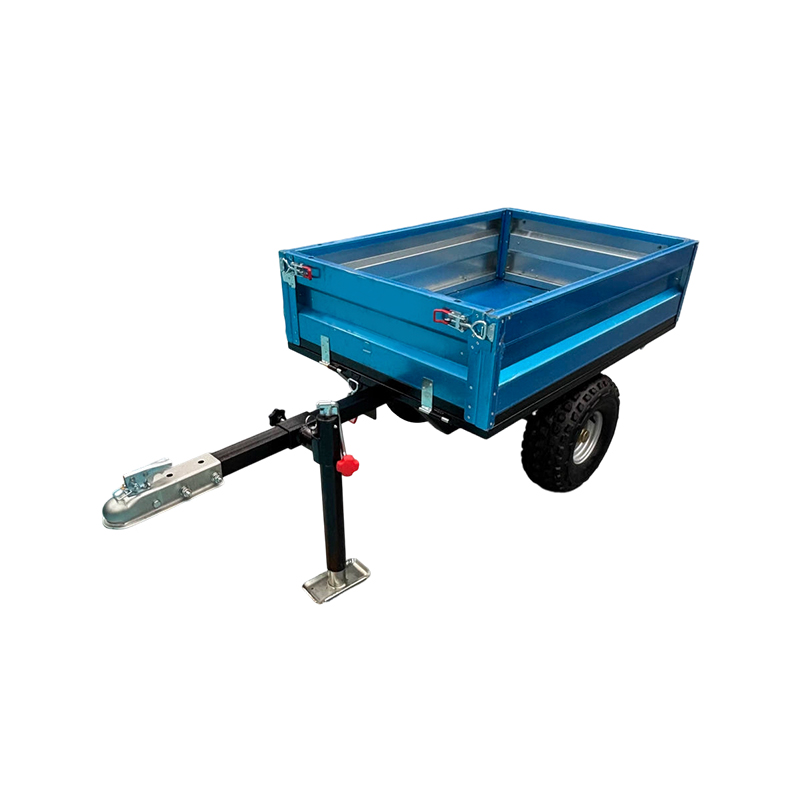 View More
2001-3000 kg Blue Single Steel Cage Car Trailers Trailer
-
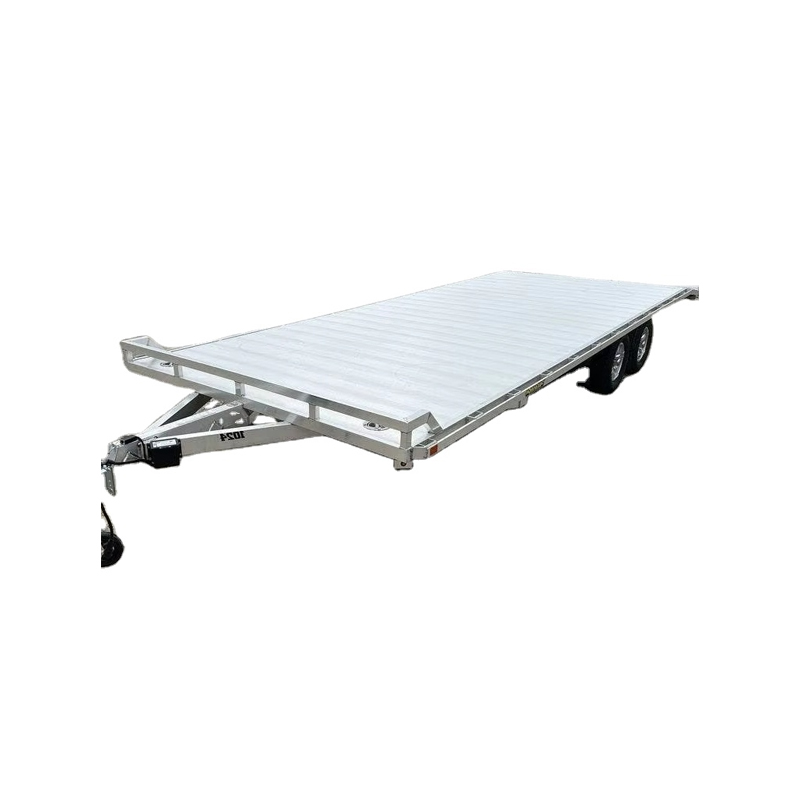 View More
High-Performance Aluminum ATV UTV Golf Cart Car Trailer
-
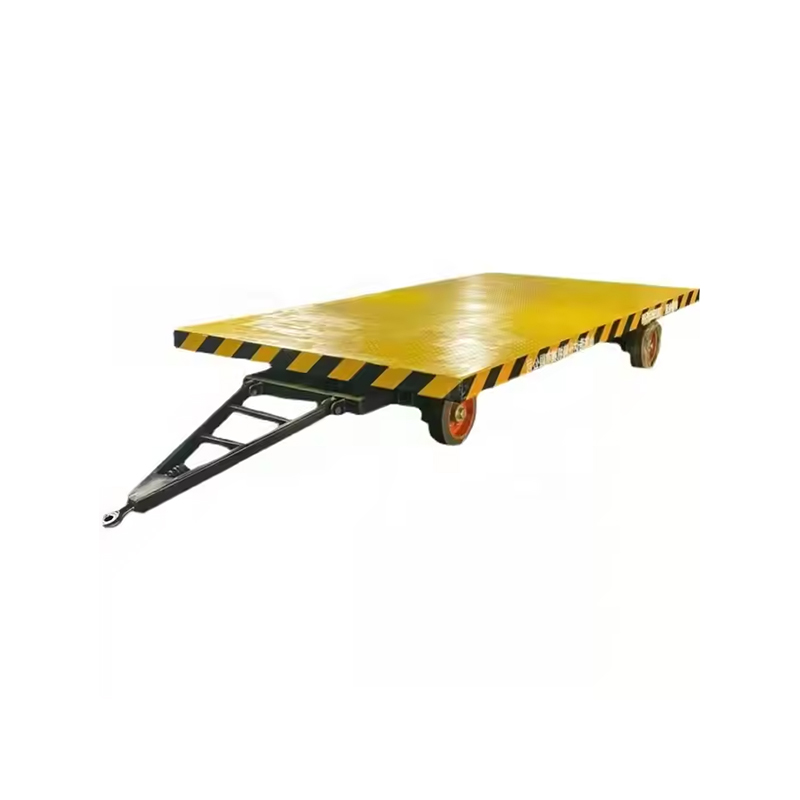 View More
Heavy Duty Double Axle Semi Trailer Flatbed Truck Trailer
-
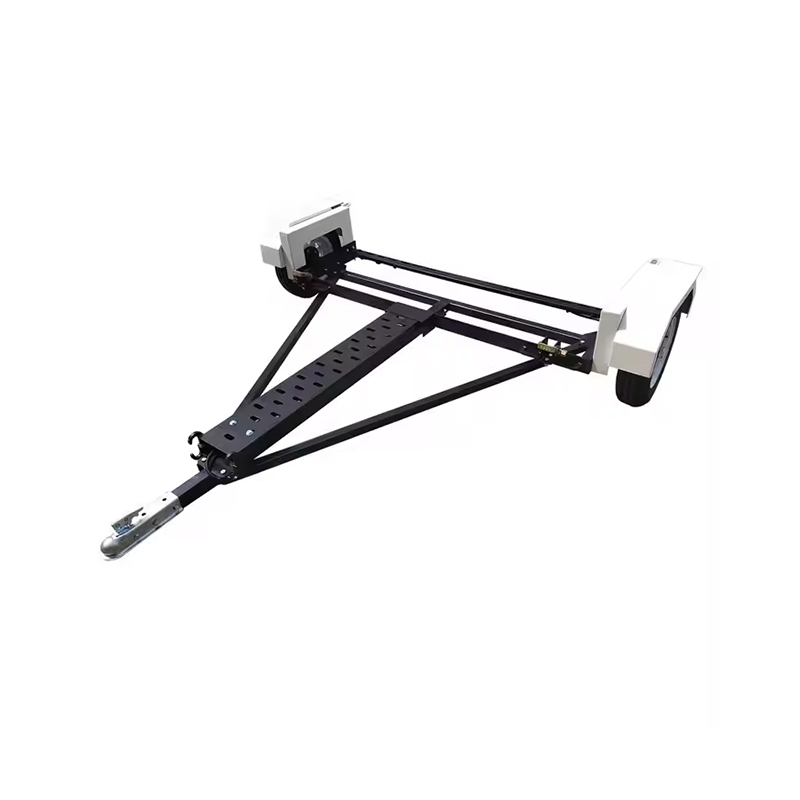 View More
Mobile Moving Car Trailer With Fenders
-
 View More
ATV Motorcycle All-terrain Trailer
-
 View More
Metal Galvanised ATV Off-Road Car Trailer
-
 View More
Mobile LED Display Chassis Semi Car Trailer
-
 View More
Multipurpose Truck Utility Trailers with Leaf Spring
-
 View More
Galvanised Tandem Farm Plant Tipping Hydraulic Trailer
-
View More
Hot Dip Galvanized Finish Silver Single Car Trailer
-
 View More
Aluminum Car Trailer with Steel Box Finish Plate Galvanized Wheel
-
 View More
Single Axle Metal Pull Behind Car Trailer
-
 View More
Galvanished Powder Coated Double Axle Car Trailer
-
 View More
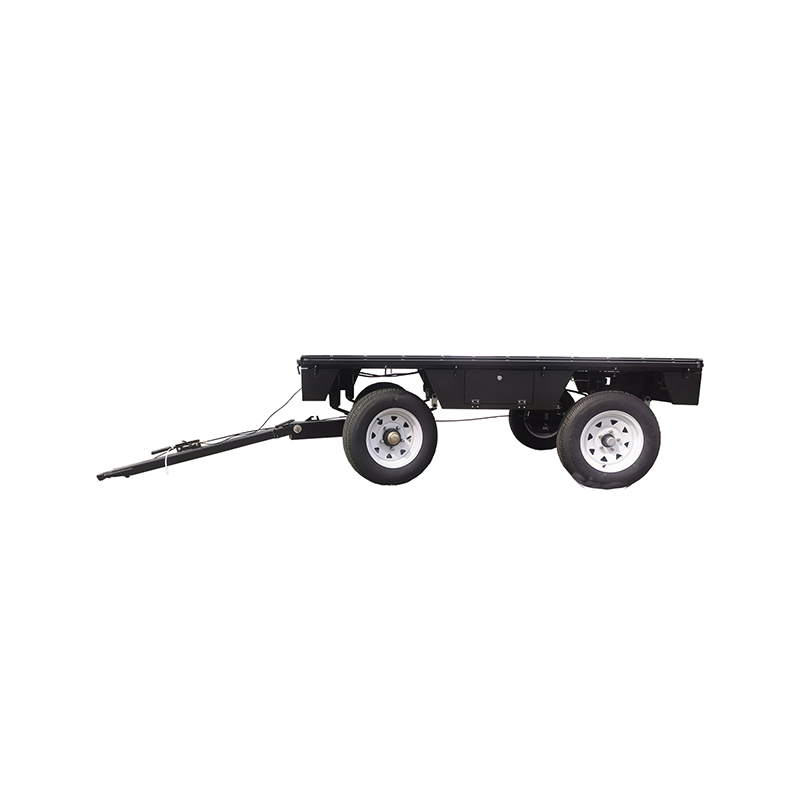
2 Axle Steel Q235 Small Equipment CarTrailer
-
 View More
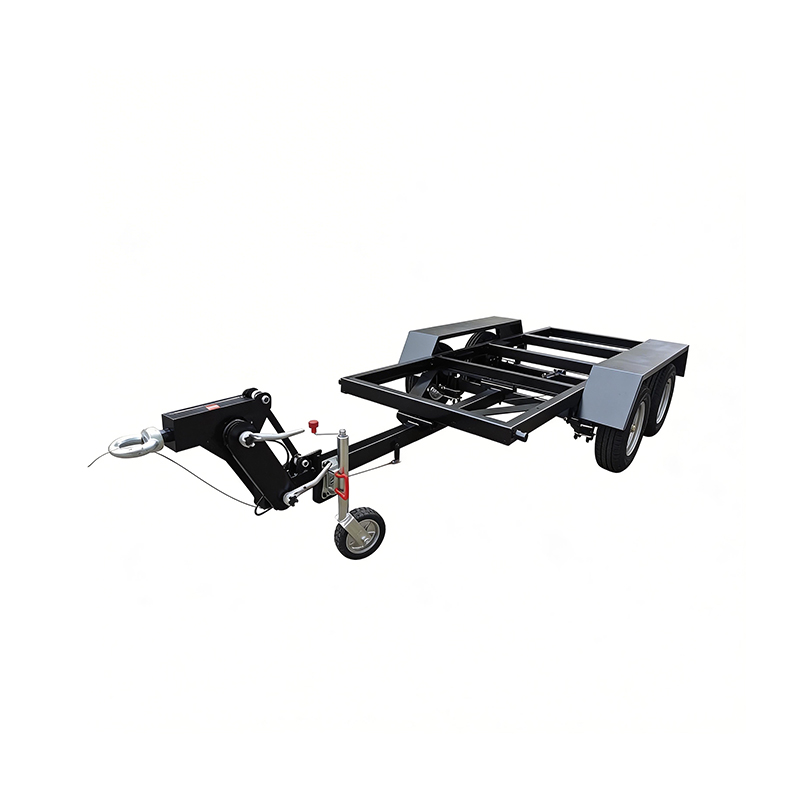
Double Axle Steel Frame Small Car Trailer
-
 View More
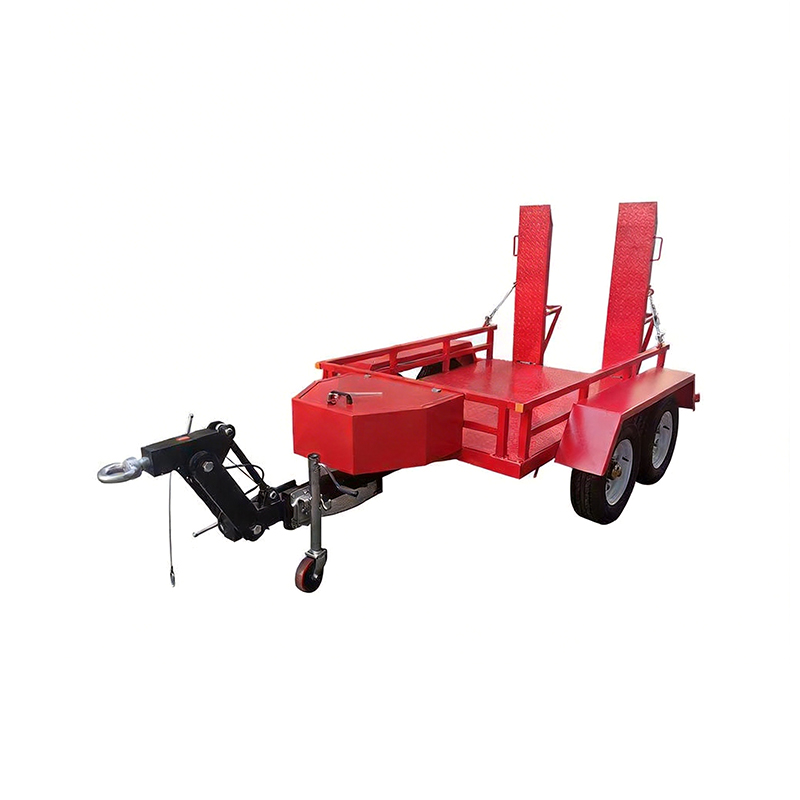
Double Axle Small Excavator Car Dolly Trailer

Products
Quick link
CONTACT US
- Phone: +86 15157058370
- Email: [email protected]
- Address: No. 11, Juhai Second Road, Qujiang District, Quzhou City, Zhejiang Province, China
Copyright © Zhejiang Zebang Machinery Co., Ltd. All Rights Reserved.
