
 +86 15157058370

 Language
 English
 Español
 عربى

Get In Touch
Will Your Vehicle Handle a Small Camping Trailer Safely
A weekend camping trip can become complicated if a trailer exceeds the towing limits of the vehicle pulling it. Weight ratings, hitch compatibility, cargo distribution, and braking equipment all affect road safety. At Zebang, we encourage customers to evaluate these details before purchasing a small cargo trailer for camping. A compact trailer may be convenient for carrying tents, cooking equipment, outdoor furniture, and other travel supplies, but its actual loaded weight must remain within the vehicle manufacturer's limits.

1. Check Your Vehicle's Towing Capacity
The advertised towing capacity is a useful starting point, but buyers should confirm the rating for their exact vehicle configuration. Engine type, drivetrain, installed equipment, and model year may affect the permitted towing load.
- Maximum towing capacity: Check the owner's manual or manufacturer documentation for the approved trailer weight.
- Gross Vehicle Weight Rating (GVWR): Confirm that the loaded vehicle, including passengers, luggage, and trailer tongue weight, stays within its rated limit.
- Gross Combined Weight Rating (GCWR): Make sure the combined loaded weight of the towing vehicle and trailer does not exceed the manufacturer's rating.
- Payload capacity: Account for passengers, vehicle cargo, accessories, and the downward force applied by the trailer hitch.
These ratings serve different purposes and should be checked together. A vehicle may have sufficient nominal towing capacity but insufficient remaining payload for the passengers, camping gear, and trailer tongue load.
2. Calculate the Trailer's Loaded Weight
An empty trailer weighs less than a fully prepared camping trailer. Water containers, portable refrigerators, bicycles, food, and other supplies can add considerable weight before departure.
- Review the trailer's specifications: Check its empty weight, GVWR, and rated cargo capacity.
- Estimate camping supplies: Include all equipment that will travel inside or on the trailer.
- Leave a suitable margin: Avoid planning a load that sits at the vehicle's rated limit. A margin helps accommodate unexpected cargo and changing travel conditions.
At Zebang, we recommend comparing the trailer's expected loaded weight with the towing vehicle's documented limits before confirming a purchase. Buyers should also verify the trailer's actual weight when necessary rather than relying solely on general estimates.
3. Pay Attention to Tongue Weight and Hitch Compatibility
Tongue weight is the downward force the trailer places on the hitch. An unsuitable hitch or poorly distributed cargo can affect vehicle handling, steering, and stability.
- Verify hitch ratings: The receiver, ball mount, hitch ball, and other connection components must support the applicable trailer and tongue loads.
- Check tongue weight: Follow the vehicle and trailer manufacturers' recommendations. Conventional trailers commonly use a tongue-weight range around 10–15% of loaded trailer weight, but the applicable specifications take priority.
- Distribute cargo carefully: Keep heavier items low and properly secured, with the load balanced according to the trailer manufacturer's guidance.
- Confirm trailer alignment: Use the appropriate hitch height so the connected trailer sits at the recommended angle.
4. Review Tires, Brakes, and Electrical Connections
Safe towing depends on more than the vehicle's engine and transmission. Tires, braking systems, lights, and electrical connections must also be suitable for the combination.
- Inspect the condition, load ratings, and inflation pressure of the vehicle and trailer tires.
- Confirm whether trailer brakes are required by the vehicle specifications or local regulations.
- Test the brake controller, turn signals, tail lights, and other required electrical connections.
- Check safety chains, coupler engagement, and any required breakaway equipment before departure.
These checks should be completed before each trip. Buyers should consult the relevant manuals and local towing rules to determine the equipment and procedures required for their specific setup.
5. Consider the Camping Route and Storage Needs
A trailer that suits a paved campground may present different challenges on narrow roads, steep inclines, or uneven access tracks. Route conditions and parking space should therefore influence the purchasing decision.
- Check overall dimensions: Confirm trailer width, length, and height against garage clearance, storage space, and planned routes.
- Assess maneuverability: Consider turning space, reversing conditions, and the available parking area.
- Match storage capacity to the trip: Choose a configuration that accommodates the intended camping equipment without exceeding its rated payload.
Make an Informed Camping Trailer Purchase
At Zebang, we believe a practical camping trailer should match both the customer's storage requirements and the towing vehicle's capabilities. Before purchasing, compare the vehicle's towing capacity, payload, combined weight rating, hitch limits, and the trailer's loaded weight. Confirming these details helps buyers avoid unsuitable configurations and plan safer journeys.
Contact our team to discuss trailer dimensions, cargo requirements, and configuration options for your intended camping trips. With clear requirements and verified vehicle specifications, you can make a more informed decision about the trailer that fits your travel plans.
Related Products
-
 View More
-
 View More
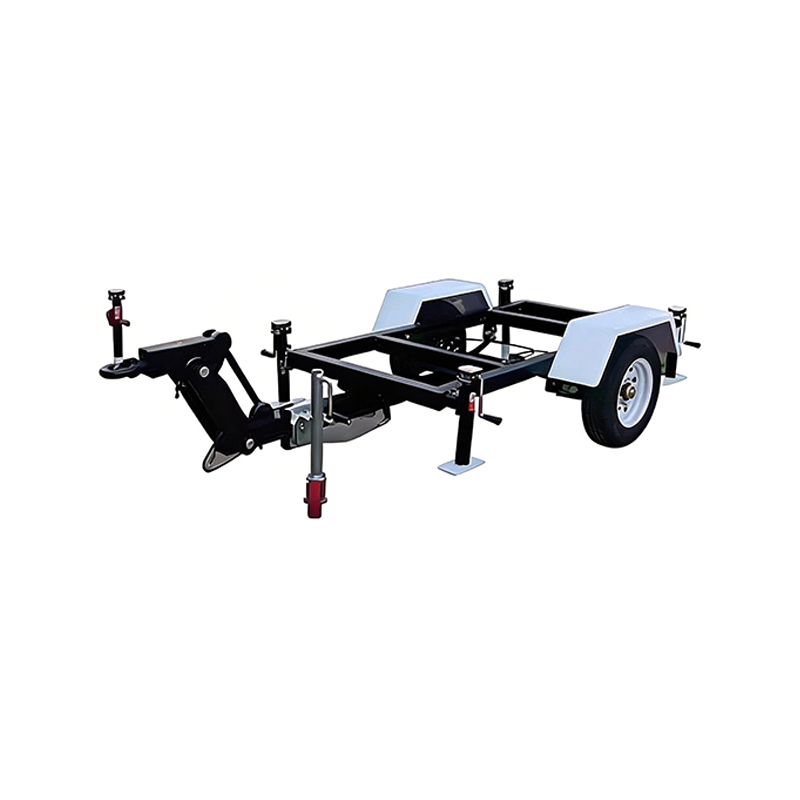
Heavy-Duty Steel Flatbed Two-Wheel Car Trailer
-
 View More
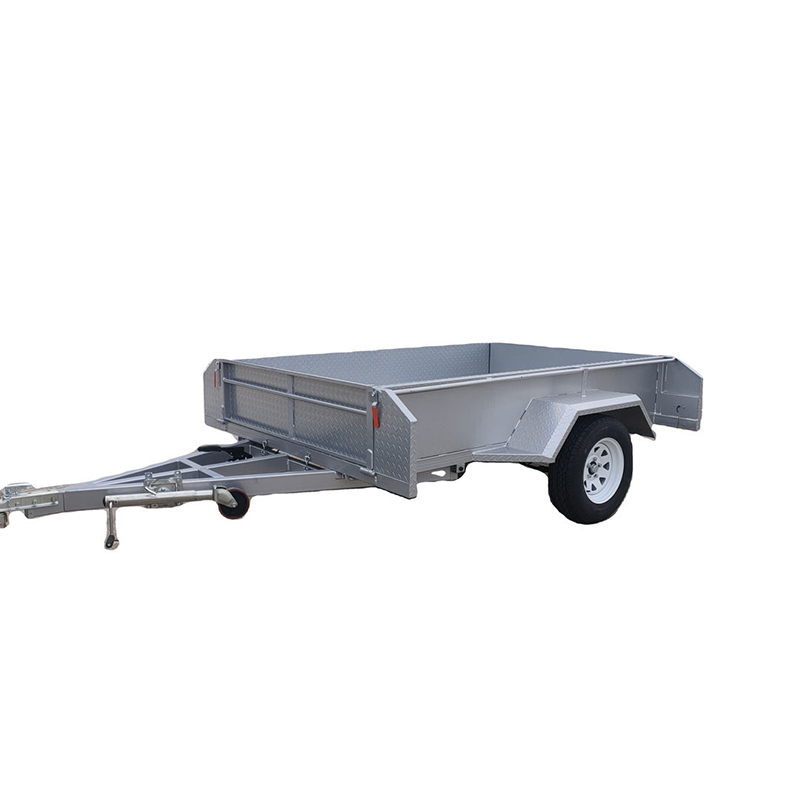
Portable and Corrosion-Resistant Small Aluminum Car Trailer
-
 View More
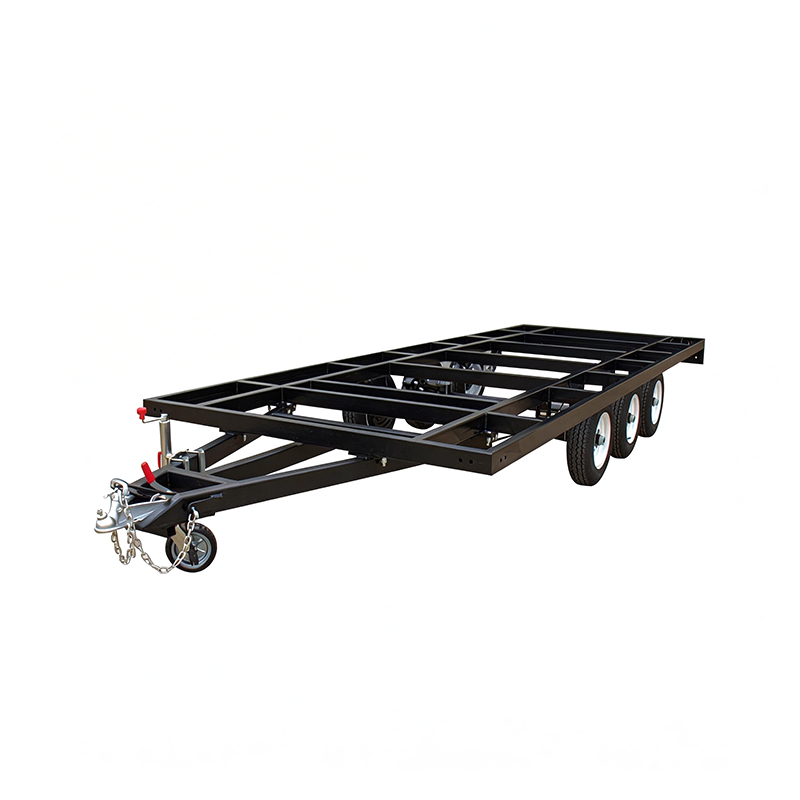
Galvanized Plate Aluminum Car Trailer With High Load Capacity
-
 View More
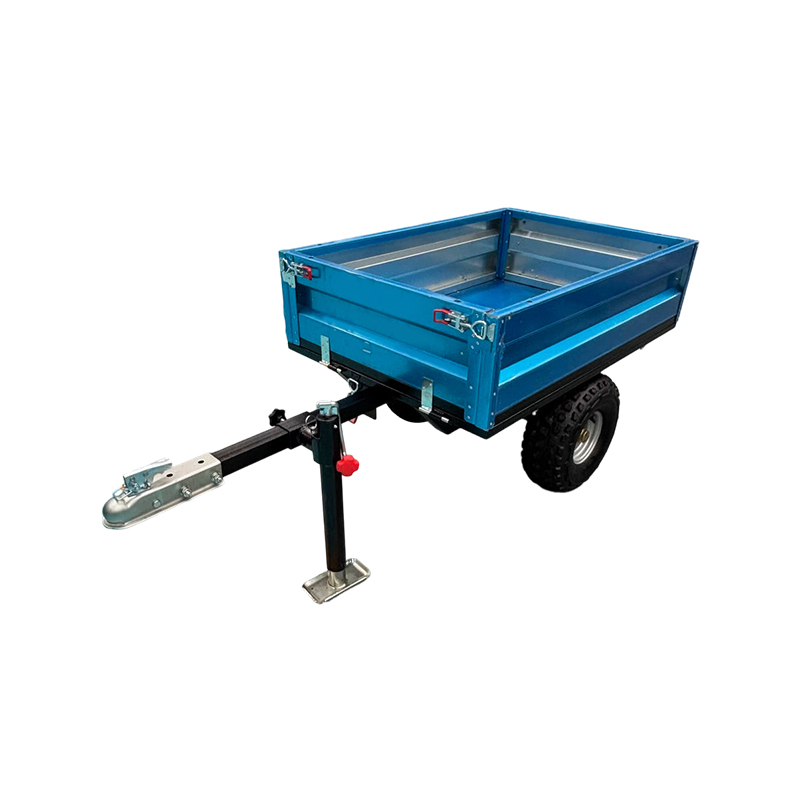
2001-3000 kg Blue Single Steel Cage Car Trailers Trailer
-
 View More
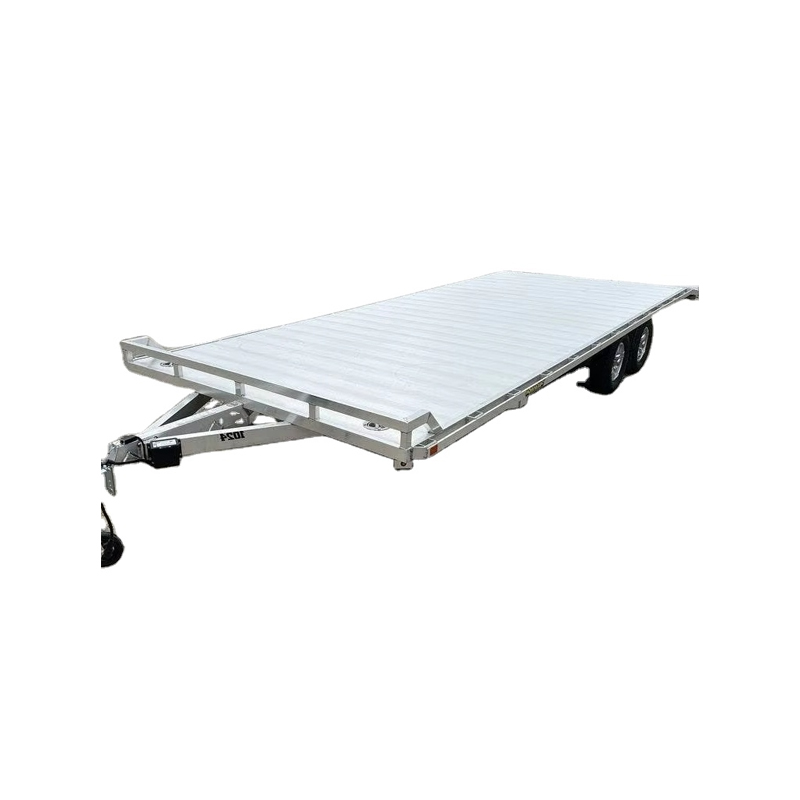
High-Performance Aluminum ATV UTV Golf Cart Car Trailer
-
 View More
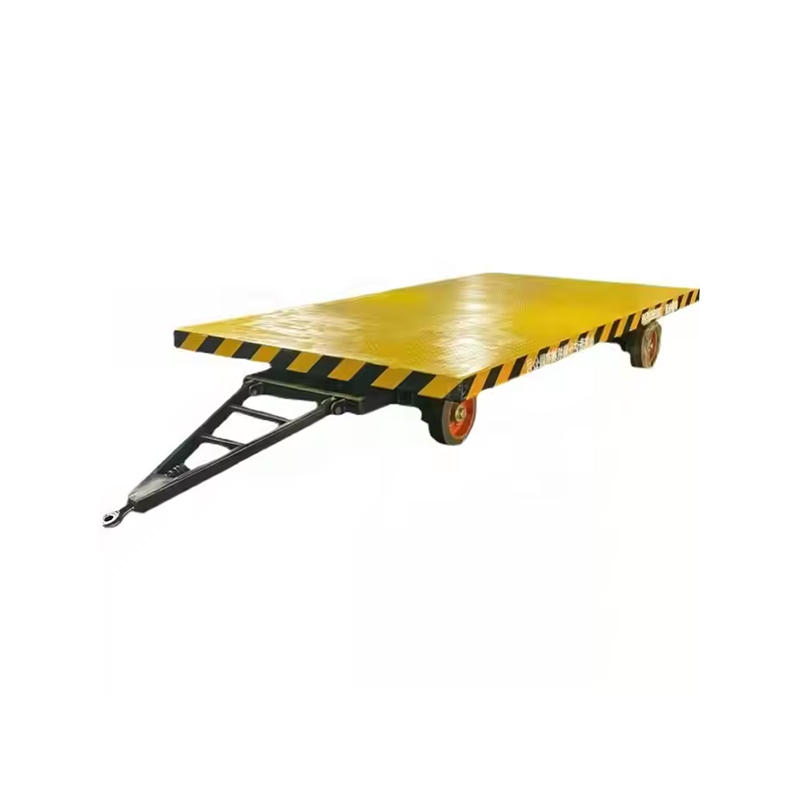
Heavy Duty Double Axle Semi Trailer Flatbed Truck Trailer
-
 View More
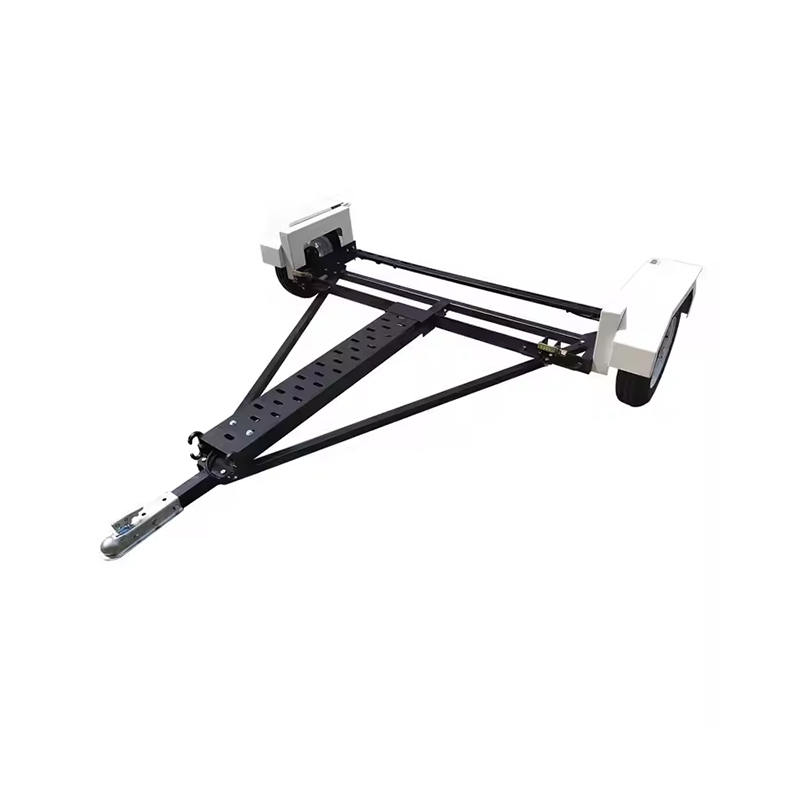
Mobile Moving Car Trailer With Fenders
-
 View More
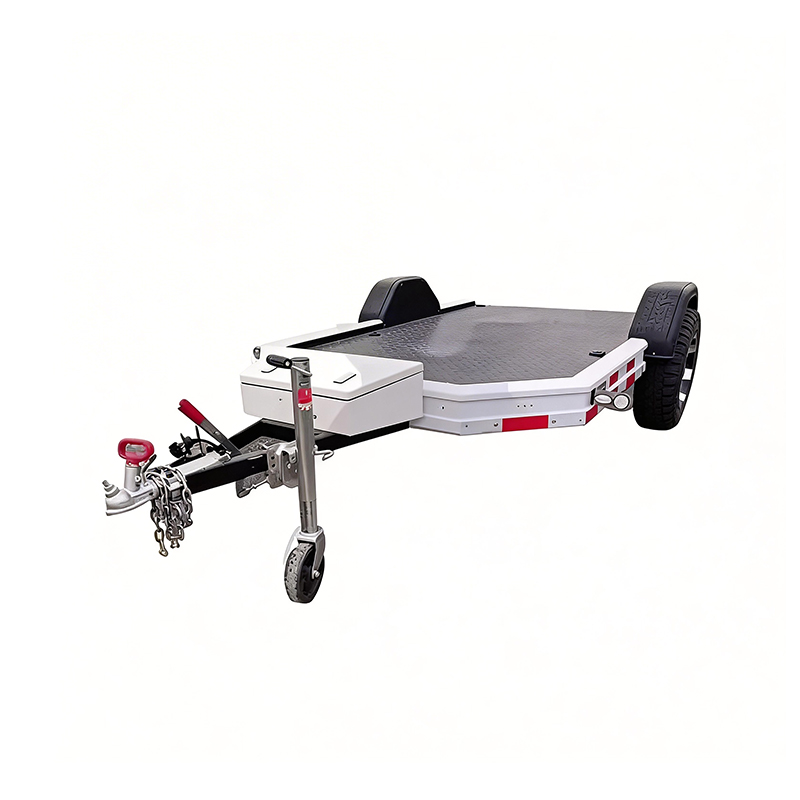
ATV Motorcycle All-terrain Trailer
-
 View More
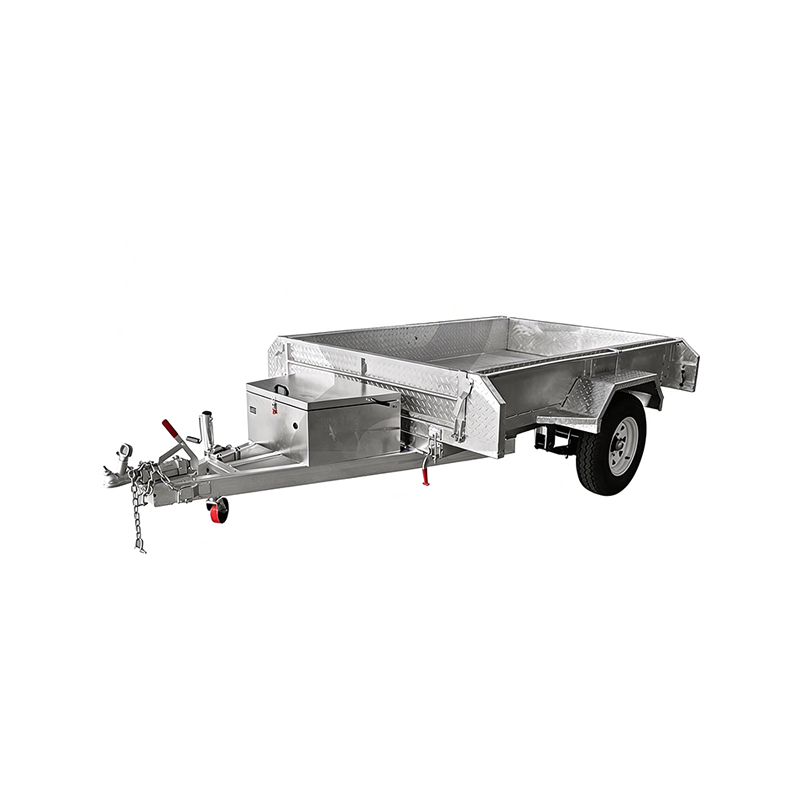
Metal Galvanised ATV Off-Road Car Trailer
-
 View More
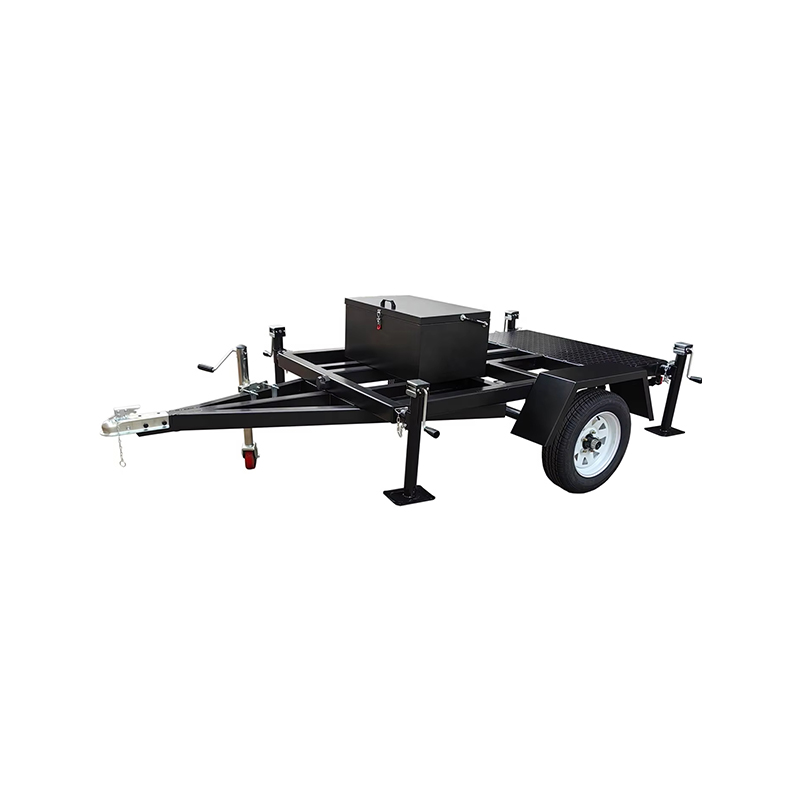
Mobile LED Display Chassis Semi Car Trailer
-
 View More
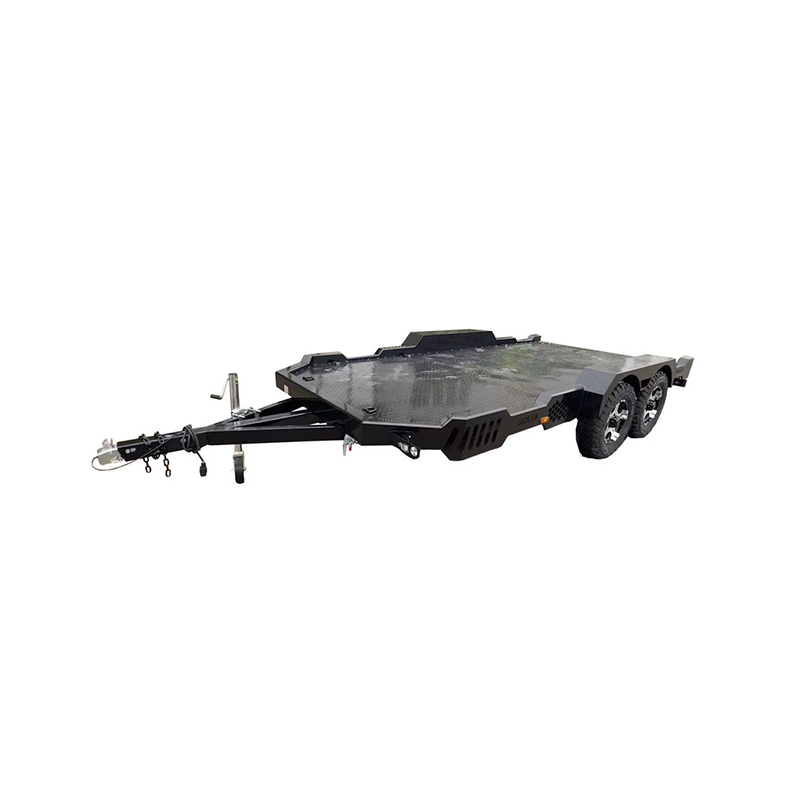
Multipurpose Truck Utility Trailers with Leaf Spring
-
 View More
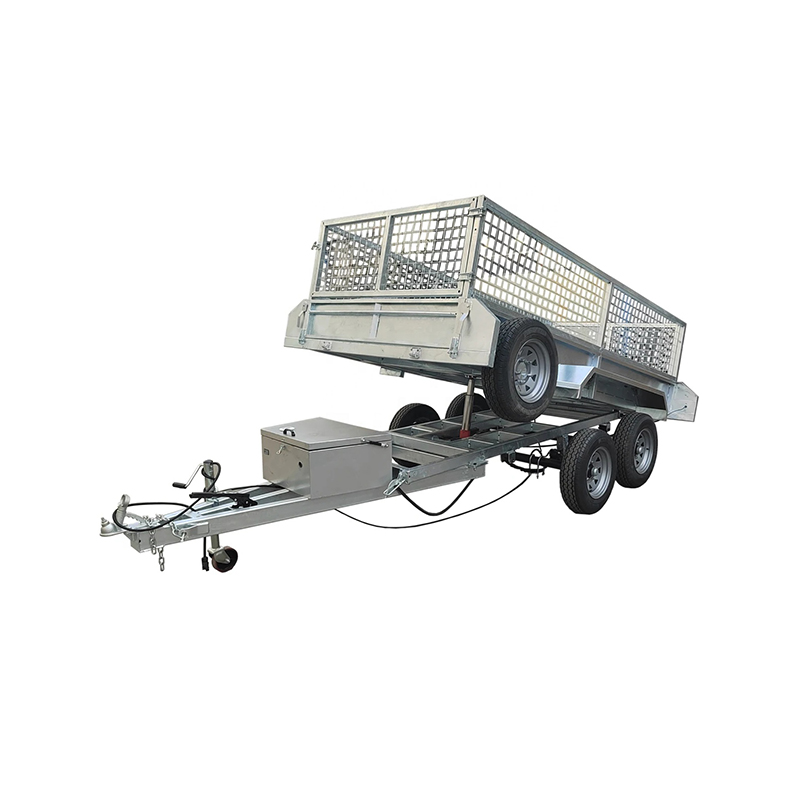
Galvanised Tandem Farm Plant Tipping Hydraulic Trailer
-
View More
Hot Dip Galvanized Finish Silver Single Car Trailer
-
 View More
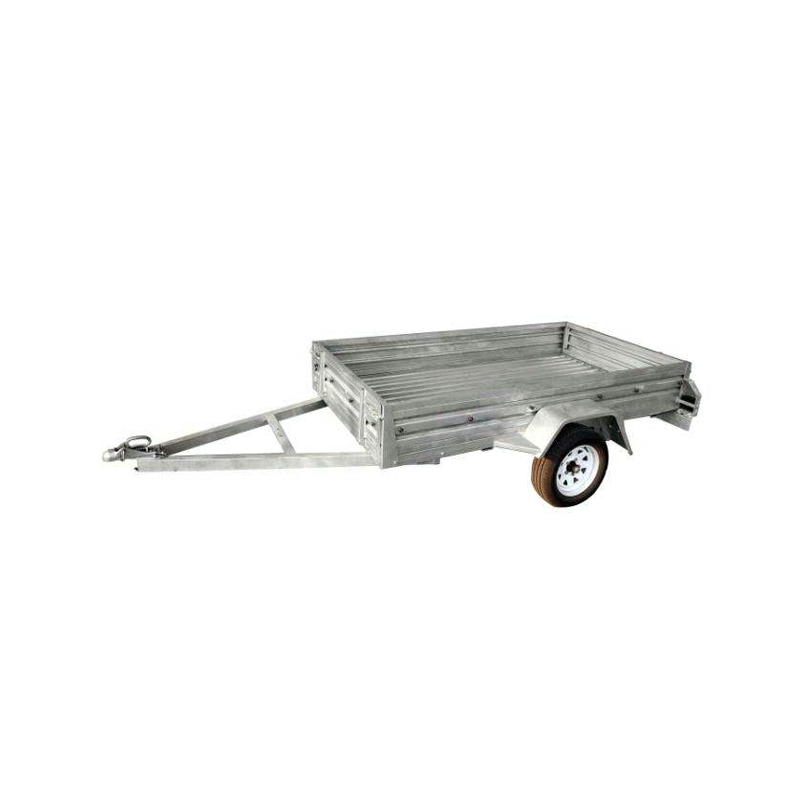
Aluminum Car Trailer with Steel Box Finish Plate Galvanized Wheel
-
 View More
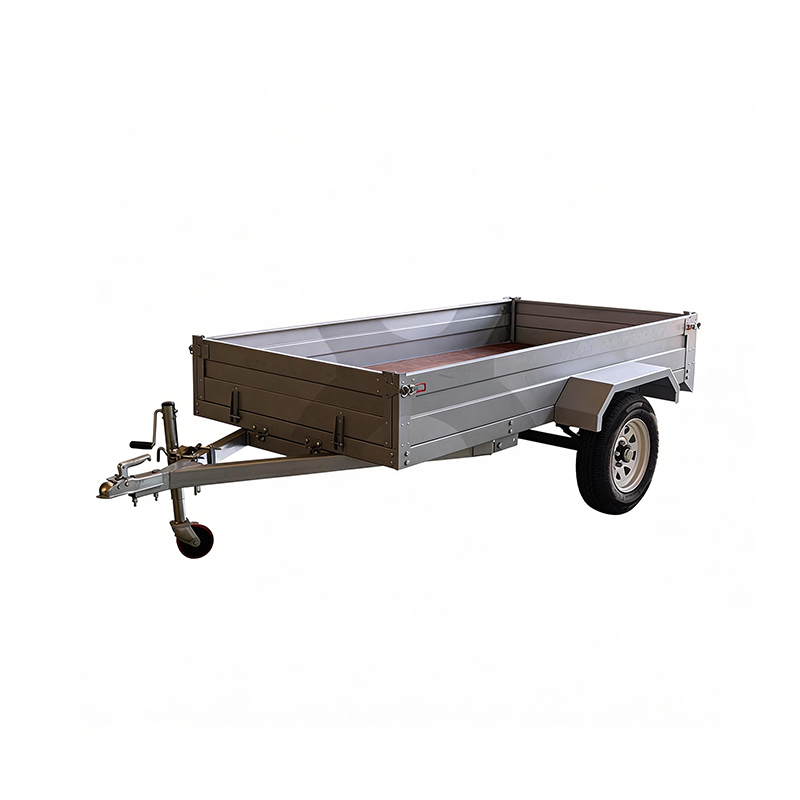
Single Axle Metal Pull Behind Car Trailer
-
 View More
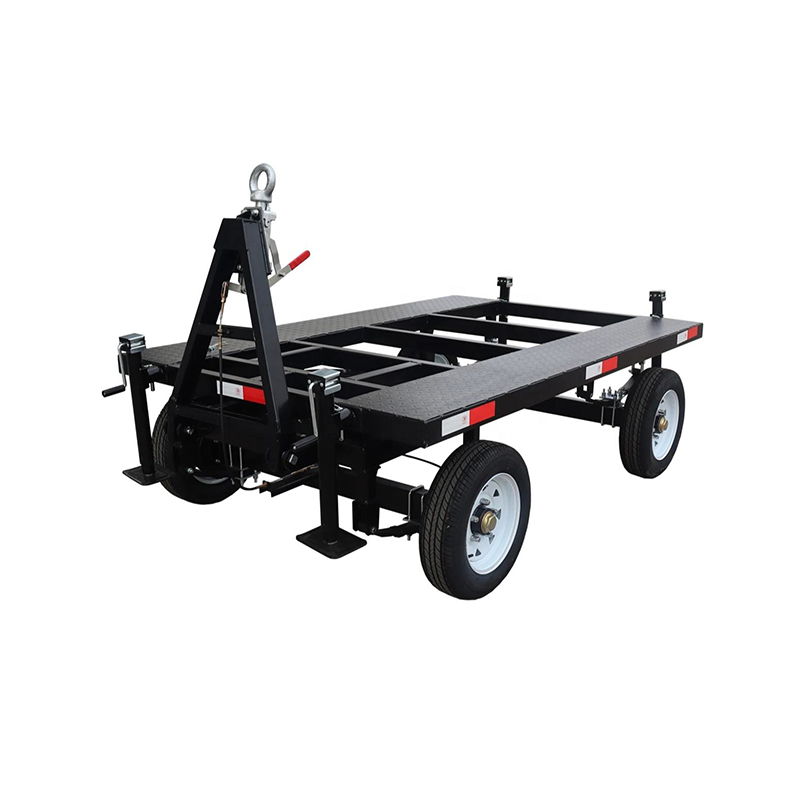
Galvanished Powder Coated Double Axle Car Trailer
-
 View More
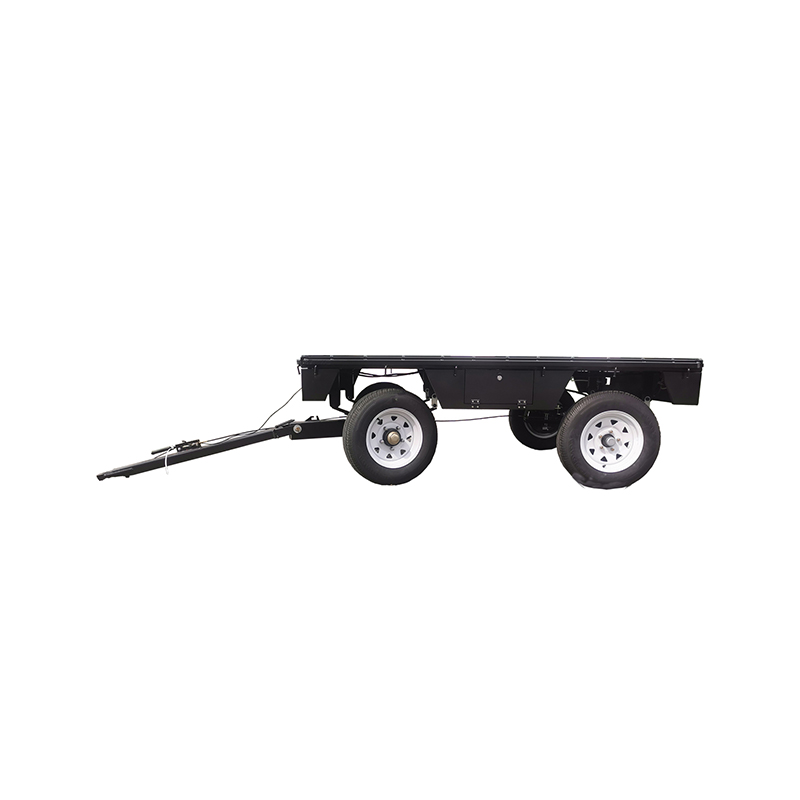
2 Axle Steel Q235 Small Equipment CarTrailer
-
 View More
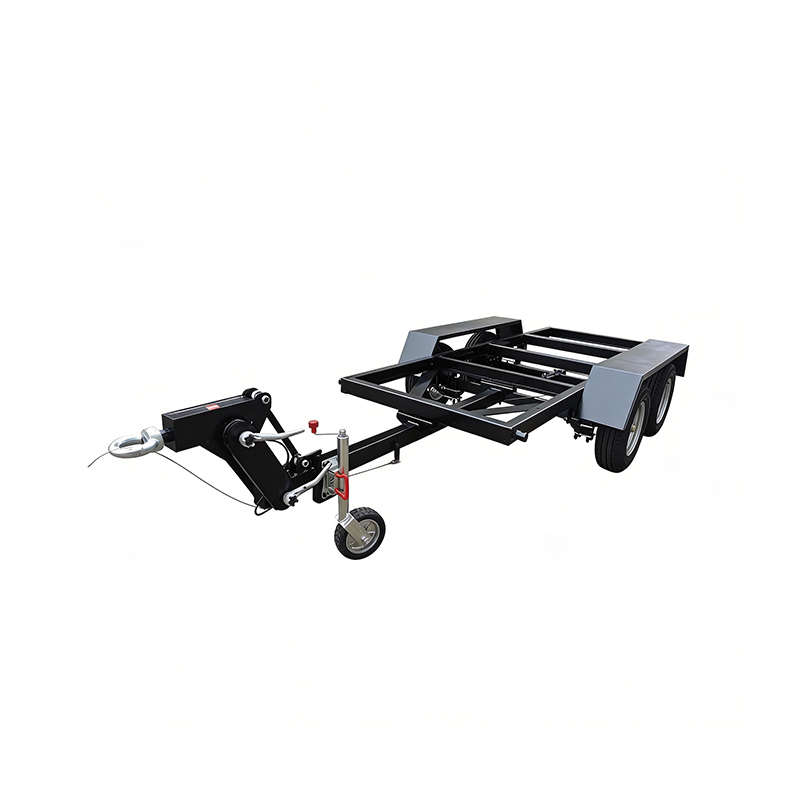
Double Axle Steel Frame Small Car Trailer
-
 View More
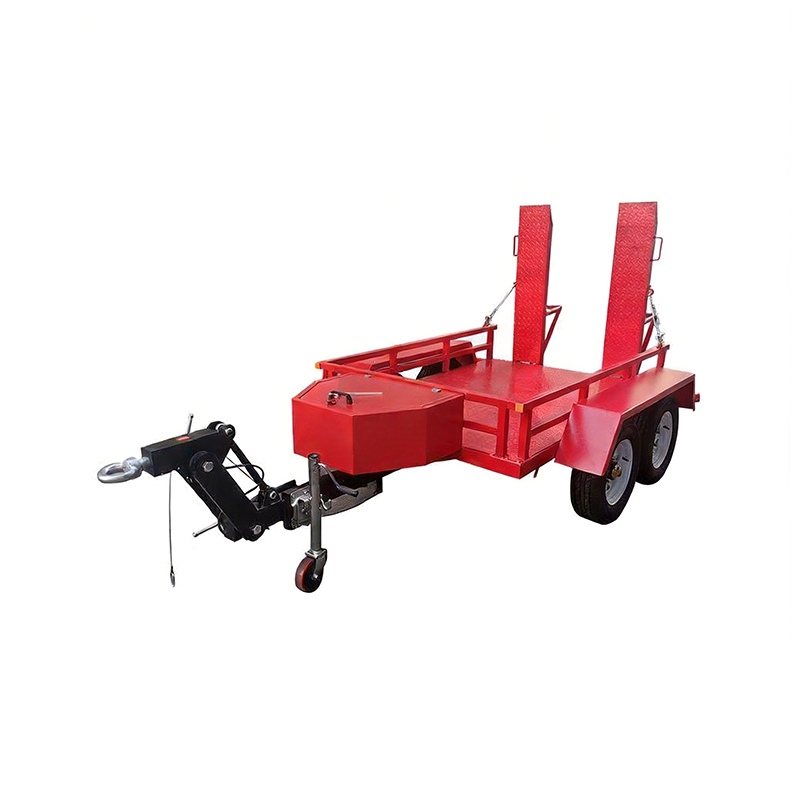
Double Axle Small Excavator Car Dolly Trailer

Products
Quick link
CONTACT US
- Phone: +86 15157058370
- Email: [email protected]
- Address: No. 11, Juhai Second Road, Qujiang District, Quzhou City, Zhejiang Province, China
Copyright © Zhejiang Zebang Machinery Co., Ltd. All Rights Reserved.
