
 +86 15157058370
 Language
  English
 Español
 عربى
عربى
Get In Touch
Which Power System Fits Your Mobile Light Tower Project Needs
Mobile lighting projects are becoming more demanding as construction sites, infrastructure projects, outdoor events, and remote facilities require reliable illumination without permanent electrical connections. The power system inside a mobile light tower determines operating time, deployment flexibility, maintenance requirements, and overall project performance.
Different applications require different energy solutions. Some locations need completely independent operation, while others require continuous power during extreme weather or long working periods. A modern Solar Monitoring Trailer combines solar panels, battery storage, monitoring equipment, and communication systems to support remote security and lighting applications without depending on traditional power infrastructure. Many mobile surveillance trailers use solar generation, battery banks, and optional backup power systems to maintain operation in off-grid environments.

Power Selection Determines Mobile Light Tower Performance
The energy source is one of the key factors affecting how a mobile light tower performs in different environments. A suitable power configuration should match the project's location, operating schedule, weather conditions, and equipment load.
Common power solutions include solar-only systems, diesel generator systems, battery-powered designs, and hybrid configurations. Each option has different characteristics related to runtime, transportation, fuel requirements, and operational flexibility.
- Solar power systems: Suitable for remote areas requiring quiet and independent operation.
- Diesel generator systems: Provide continuous energy supply for heavy-duty applications.
- Battery systems: Offer silent operation and support temporary lighting or monitoring tasks.
- Hybrid systems: Combine multiple energy sources to improve reliability in changing conditions.
Solar Power Supports Long-Term Off-Grid Applications
Solar-powered mobile light towers have gained attention because they can operate in locations where grid electricity is unavailable. These systems collect sunlight through photovoltaic panels and store energy in rechargeable batteries for nighttime operation.
A Solar Monitoring Trailer typically integrates solar panels, lithium or AGM battery storage, cameras, wireless communication devices, and control systems. This design allows users to deploy monitoring equipment in remote locations without installing underground cables or temporary power connections.
Typical Solar System Components
- Photovoltaic panels: Convert sunlight into electrical energy during daytime operation.
- Battery storage: Supplies power during nighttime or periods with limited sunlight.
- MPPT controller: Improves charging efficiency by managing solar energy conversion.
- Remote monitoring module: Allows users to check system status through wireless networks.
Some solar surveillance trailers use solar arrays ranging from several hundred watts to over 1000 watts, combined with large-capacity battery systems designed for extended autonomous operation. These configurations can support cameras, communication devices, LED lighting, and other low-power equipment.
Diesel Power Remains Suitable for High-Demand Projects
Although renewable energy systems continue developing, diesel-powered mobile light towers remain widely used in industries that require high power output and extended operation. Construction, mining, road maintenance, and emergency response projects often operate in environments where lighting demand remains constant for long periods.
Diesel generator systems provide stable energy regardless of sunlight availability. They are commonly equipped with fuel tanks, LED lighting fixtures, telescopic masts, and control panels designed for outdoor operation.
Advantages of Diesel-Based Systems
- Extended runtime: Fuel storage allows continuous operation during long work shifts.
- High power output: Supports larger lighting loads and additional equipment.
- Weather independence: Maintains operation during cloudy periods or poor solar conditions.
Hybrid Systems Balance Reliability and Energy Flexibility
Many modern mobile projects require a balance between renewable energy advantages and backup power reliability. Hybrid systems combine solar panels, batteries, and additional power sources such as diesel generators or external charging connections.
This approach is useful for remote areas with unpredictable weather. Solar energy can handle normal daily operation, while backup power becomes available during extended cloudy periods or higher energy demand.
A hybrid Solar Monitoring Trailer may include solar charging as the primary energy source, battery storage for nighttime use, and automatic backup activation during low-energy conditions. This structure helps maintain continuous monitoring functions at construction sites, industrial facilities, and temporary security locations.
Hybrid Configuration Examples
- Solar panels + lithium batteries for daily autonomous operation.
- Solar panels + batteries + diesel generator for 24/7 availability.
- Battery system + AC charging backup for flexible deployment.
Matching Power Systems With Different Applications
Choosing the correct energy system depends on the working environment and equipment requirements. A temporary event site may prioritize quiet operation, while a mining project may require maximum runtime and strong power capacity.
Construction and Infrastructure Projects
Road construction and building sites often need lighting equipment that can move between locations. Solar-battery systems work well for areas with sufficient sunlight, while hybrid solutions provide additional support during longer projects.
Remote Security and Monitoring Areas
Security applications require stable power for cameras, communication devices, and warning systems. Solar-based trailers are commonly used because they can operate without fixed electricity and support remote access through wireless networks.
Emergency Response Operations
Disaster recovery areas may have damaged electrical infrastructure. Mobile towers with independent power systems can provide temporary lighting and monitoring support during rescue and recovery activities.
Important Technical Factors Before Choosing a Power System
A suitable power configuration should consider more than energy source alone. Battery capacity, lighting output, mast height, operating hours, transportation conditions, and environmental exposure all affect system performance.
- Power consumption: Higher lighting output and additional devices require greater energy capacity.
- Operating duration: Longer working periods require larger fuel tanks or battery storage.
- Climate conditions: Weather patterns influence solar charging performance.
- Mobility requirements: Trailer design should match transportation frequency and terrain conditions.
The Future of Mobile Power Systems
The development of battery technology, intelligent controllers, and remote management platforms is changing how mobile lighting equipment operates. Future systems are expected to combine renewable energy generation with smarter energy management and real-time data analysis.
Solar Monitoring Trailer solutions represent this trend by integrating power generation, storage, communication, and security functions into one mobile platform. As industries continue expanding into remote environments, flexible power systems will become increasingly important for temporary infrastructure.
The right power system depends on project requirements, environmental conditions, and expected operating time. Solar solutions provide independent operation for remote locations, diesel systems offer dependable high-power performance, and hybrid configurations combine flexibility with additional reliability.
Understanding these differences helps users select a mobile light tower solution that matches their specific application. With continued improvements in energy storage and smart monitoring technology, mobile power platforms will continue supporting safer and more efficient operations across many industries.
Related Products
-
 View More
-
 View More
Heavy-Duty Steel Flatbed Two-Wheel Car Trailer
-
 View More
Portable and Corrosion-Resistant Small Aluminum Car Trailer
-
 View More
Galvanized Plate Aluminum Car Trailer With High Load Capacity
-
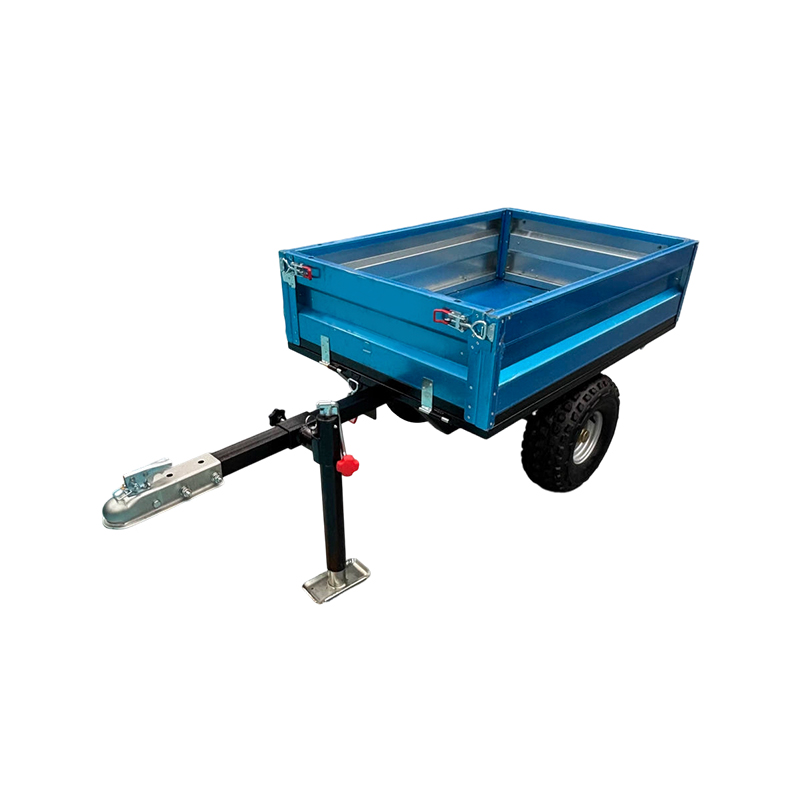 View More
2001-3000 kg Blue Single Steel Cage Car Trailers Trailer
-
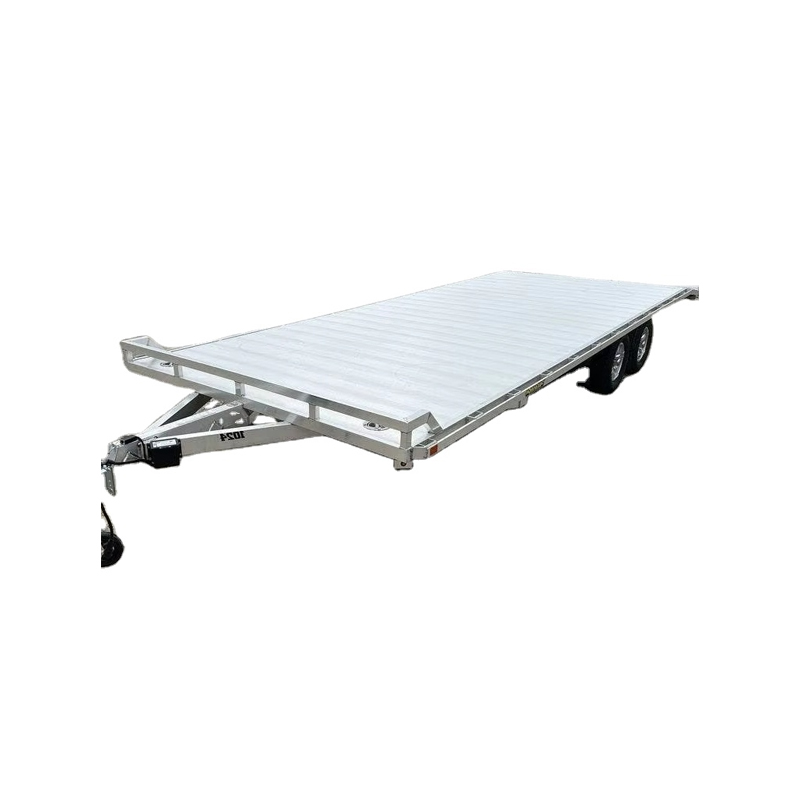 View More
High-Performance Aluminum ATV UTV Golf Cart Car Trailer
-
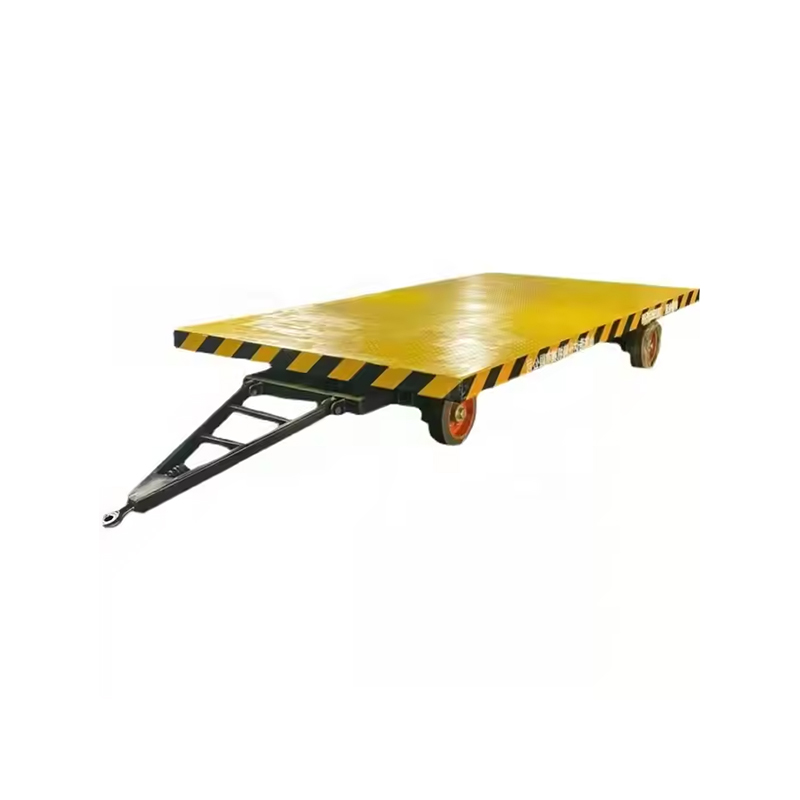 View More
Heavy Duty Double Axle Semi Trailer Flatbed Truck Trailer
-
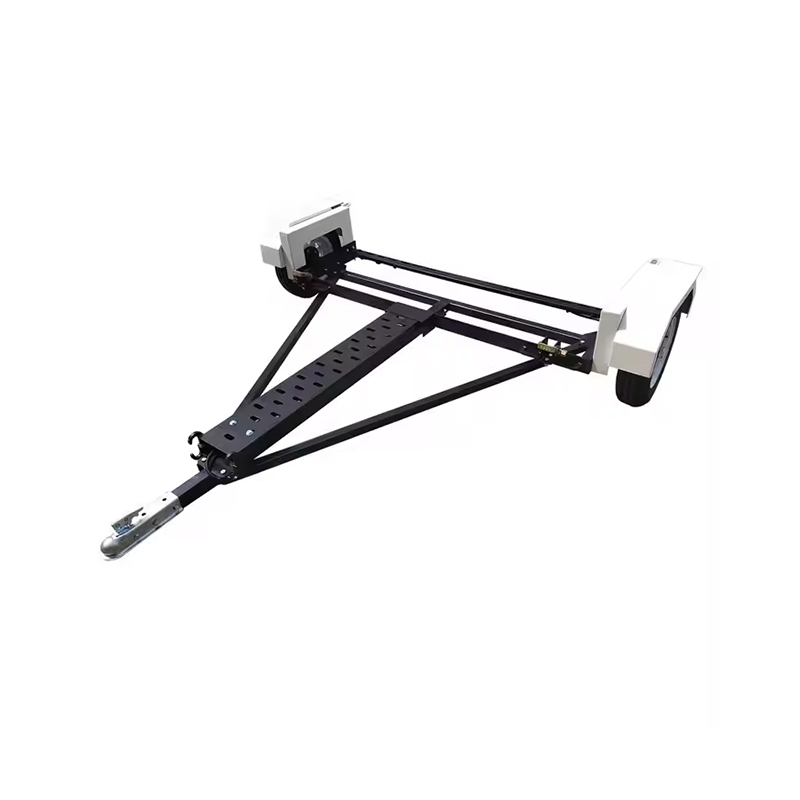 View More
Mobile Moving Car Trailer With Fenders
-
 View More
ATV Motorcycle All-terrain Trailer
-
 View More
Metal Galvanised ATV Off-Road Car Trailer
-
 View More
Mobile LED Display Chassis Semi Car Trailer
-
 View More
Multipurpose Truck Utility Trailers with Leaf Spring
-
 View More
Galvanised Tandem Farm Plant Tipping Hydraulic Trailer
-
View More
Hot Dip Galvanized Finish Silver Single Car Trailer
-
 View More
Aluminum Car Trailer with Steel Box Finish Plate Galvanized Wheel
-
 View More
Single Axle Metal Pull Behind Car Trailer
-
 View More
Galvanished Powder Coated Double Axle Car Trailer
-
 View More
2 Axle Steel Q235 Small Equipment CarTrailer
-
 View More
Double Axle Steel Frame Small Car Trailer
-
 View More
Double Axle Small Excavator Car Dolly Trailer

Products
Quick link
CONTACT US
- Phone: +86 15157058370
- Email: [email protected]
- Address: No. 11, Juhai Second Road, Qujiang District, Quzhou City, Zhejiang Province, China
Copyright © Zhejiang Zebang Machinery Co., Ltd. All Rights Reserved.
