
 +86 15157058370
 Language
  English
 Español
 عربى
عربى
Get In Touch
Can Aluminum Car Trailers Handle Different Vehicle Sizes
Vehicle transport involves more than placing a car on a trailer and securing the wheels. Sedan dimensions, SUV wheelbases, sports-car ground clearance, and overall vehicle weight can vary considerably. This makes trailer deck dimensions, payload capacity, ramp design, and tie-down positions important factors. A well-configured aluminum car transport trailer can accommodate a broad range of vehicles, provided its specifications match the load.
Deck Length Sets the Basic Fit
Vehicle length is a practical starting point. Compact cars require less deck space, while long-wheelbase SUVs, vans, and performance vehicles may need additional room.
- 14–16 ft decks: Suitable for many compact and midsize passenger vehicles.
- 18–20 ft decks: Provide additional loading space for larger SUVs, pickups, and long-wheelbase vehicles.
- 20–22 ft configurations: Offer greater flexibility for extended vehicles and specialized transport requirements.
Public specifications show aluminum car haulers with deck lengths ranging from approximately 14 to 22 feet, demonstrating how trailer geometry can be adapted to different vehicle classes.

Width Matters More Than Appearance
Vehicle width needs to be checked against the usable deck width rather than the trailer's overall exterior width. Many open aluminum car haulers use deck widths around 80–82 inches, while wider designs can provide considerably more interior space.
- Measure the vehicle body at its widest point.
- Check mirror clearance during loading.
- Consider wheel and fender positioning.
- Leave sufficient room for safe tie-down access.
Removable fenders can also make a difference with low-clearance vehicles because they provide additional door clearance during loading and unloading.
Payload Capacity Changes the Equation
Vehicle size alone does not determine trailer suitability. Weight is equally important. GVWR represents the permitted combined weight of the trailer and its cargo, while payload refers to the weight available for the transported vehicle after accounting for trailer weight.
For example, published aluminum car hauler specifications include 7,000 lb GVWR models with payload capacities above 5,000 lb, while heavier configurations can reach approximately 9,900–10,000 lb GVWR and carry more than 8,000 lb depending on trailer construction.
- Light passenger cars: Usually fit comfortably within standard payload ranges.
- Large SUVs and pickups: Require closer attention to curb weight and axle ratings.
- Heavy specialty vehicles: May require higher-rated axles and a stronger trailer configuration.
Ramp Design Affects Vehicle Compatibility
Ground clearance becomes critical with sports cars, modified vehicles, and low-body passenger cars. A steep loading angle can cause the front bumper or underbody to contact the ramp or deck.
Extended ramps and a lowered rear section can create a smoother transition. Some aluminum car haulers use a 4-foot beavertail with a drop section, while other designs use pull-out ramps around 75 inches long.
Tie-Down Points Should Match the Vehicle
Different vehicles also require different securing positions. Recessed D-rings, side rails, and multiple tie-down locations give operators greater flexibility around different wheelbases and suspension layouts.
- Position tie-down points close to suitable wheel or frame locations.
- Avoid contact with painted body panels or brake components.
- Check the rated capacity of each attachment point.
- Keep the load distributed across the trailer deck.
Can One Trailer Cover Multiple Vehicle Classes?
Yes, a properly specified aluminum car transport trailer can serve several vehicle categories. The practical range depends on deck length, usable width, GVWR, axle rating, ramp geometry, and tie-down layout rather than aluminum construction alone.
A configuration around 16–20 feet long with a suitable payload rating can provide useful versatility for passenger cars, crossovers, SUVs, and selected light trucks. Larger vehicles may call for a longer deck or higher-rated running gear. Reviewing vehicle length, width, curb weight, wheelbase, and ground clearance together gives buyers a clearer picture of actual compatibility.
Related Products
-
 View More
-
 View More
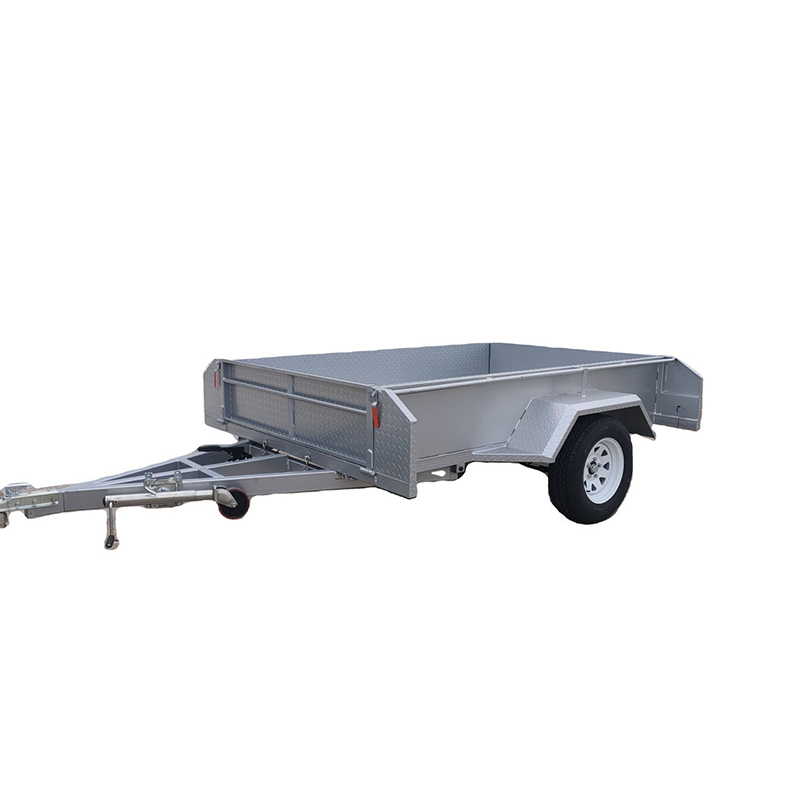
Heavy-Duty Steel Flatbed Two-Wheel Car Trailer
-
 View More
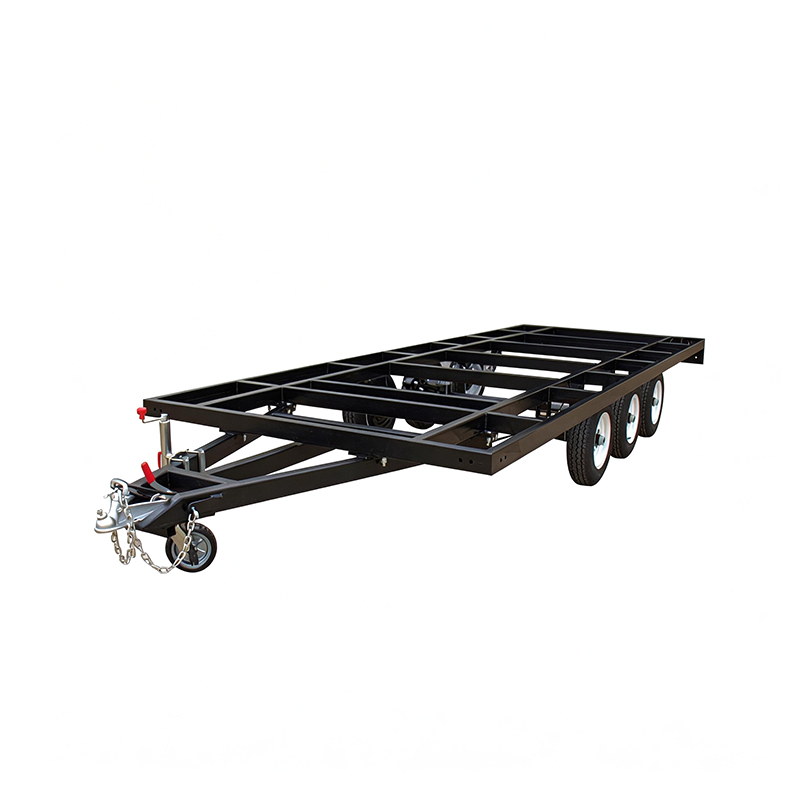
Portable and Corrosion-Resistant Small Aluminum Car Trailer
-
 View More
Galvanized Plate Aluminum Car Trailer With High Load Capacity
-
 View More
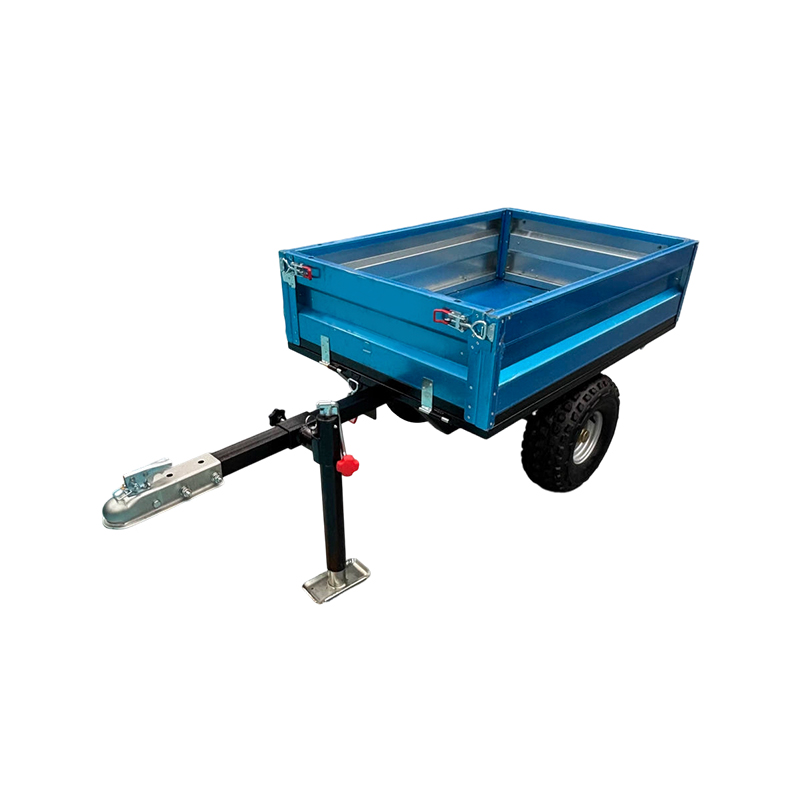
2001-3000 kg Blue Single Steel Cage Car Trailers Trailer
-
 View More
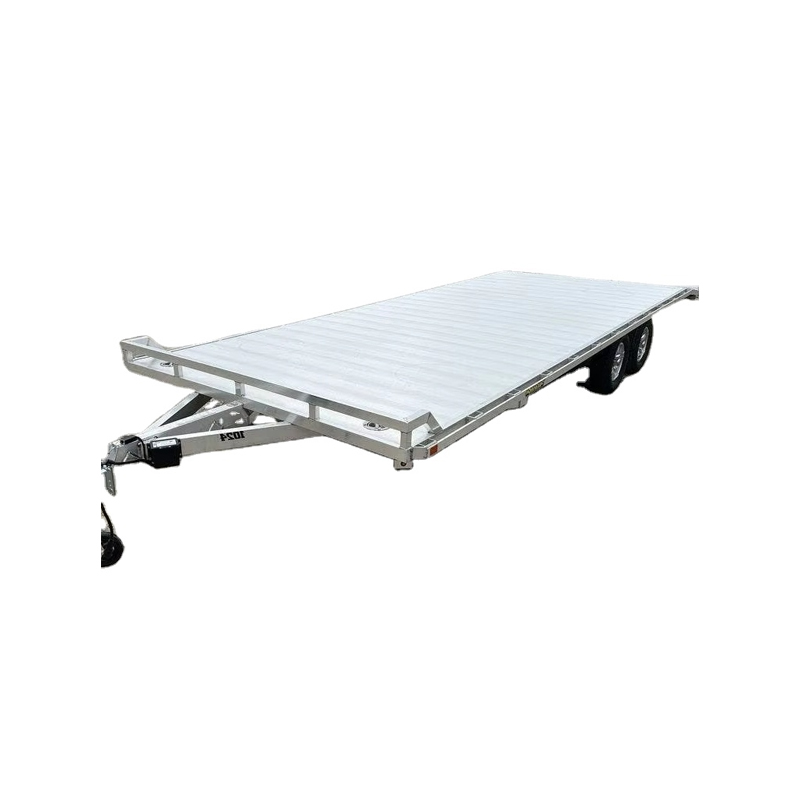
High-Performance Aluminum ATV UTV Golf Cart Car Trailer
-
 View More
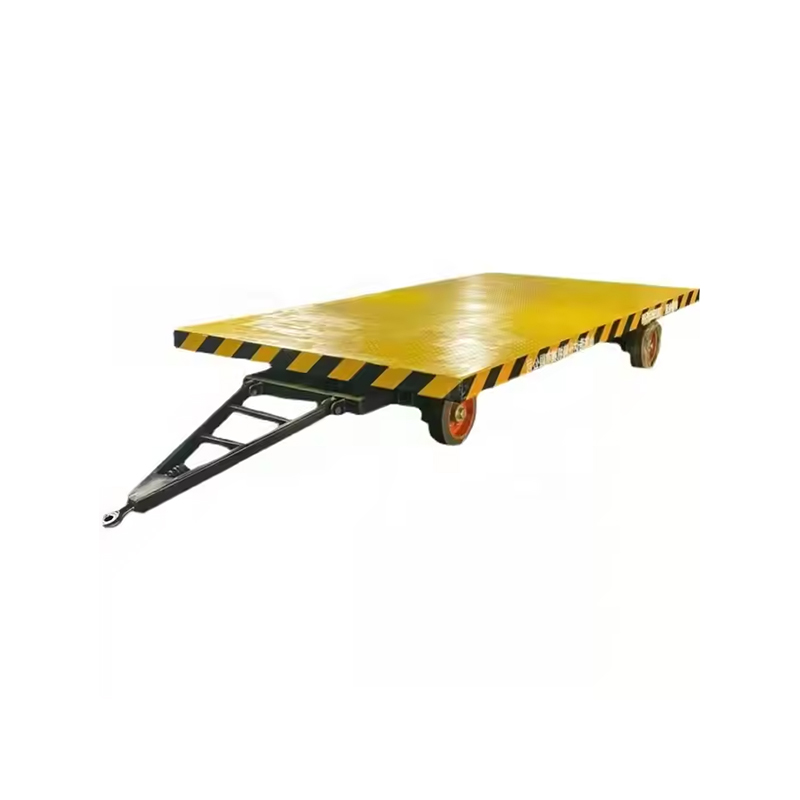
Heavy Duty Double Axle Semi Trailer Flatbed Truck Trailer
-
 View More
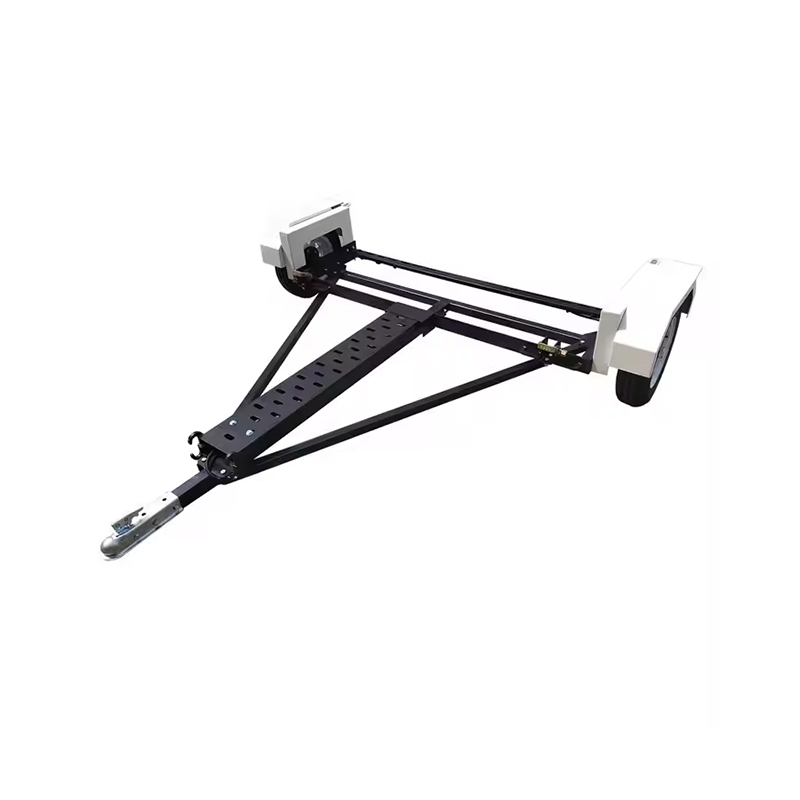
Mobile Moving Car Trailer With Fenders
-
 View More
ATV Motorcycle All-terrain Trailer
-
 View More
Metal Galvanised ATV Off-Road Car Trailer
-
 View More
Mobile LED Display Chassis Semi Car Trailer
-
 View More
Multipurpose Truck Utility Trailers with Leaf Spring
-
 View More
Galvanised Tandem Farm Plant Tipping Hydraulic Trailer
-
View More
Hot Dip Galvanized Finish Silver Single Car Trailer
-
 View More
Aluminum Car Trailer with Steel Box Finish Plate Galvanized Wheel
-
 View More
Single Axle Metal Pull Behind Car Trailer
-
 View More
Galvanished Powder Coated Double Axle Car Trailer
-
 View More
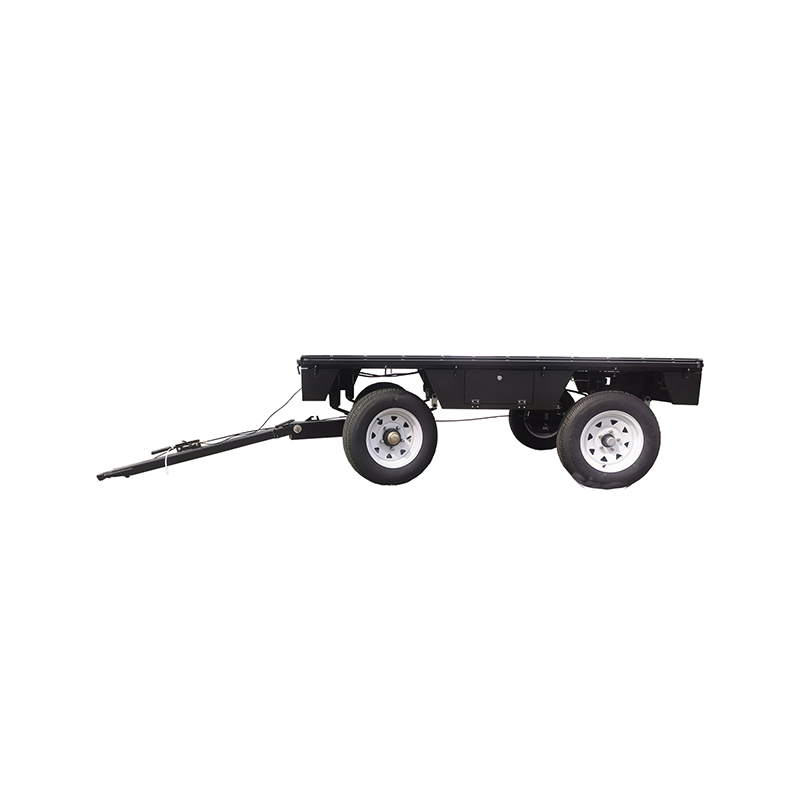
2 Axle Steel Q235 Small Equipment CarTrailer
-
 View More
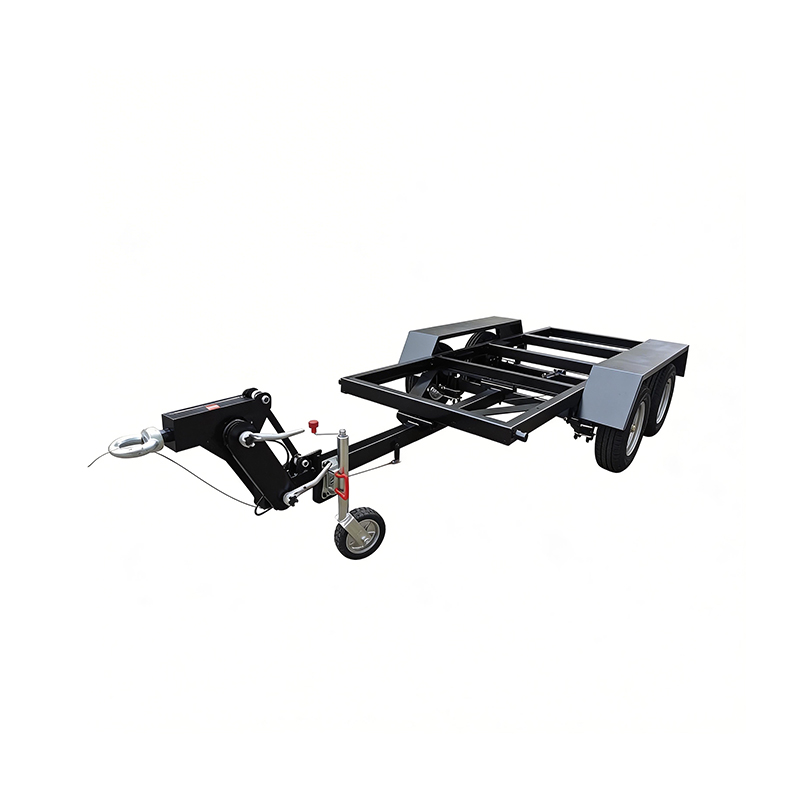
Double Axle Steel Frame Small Car Trailer
-
 View More
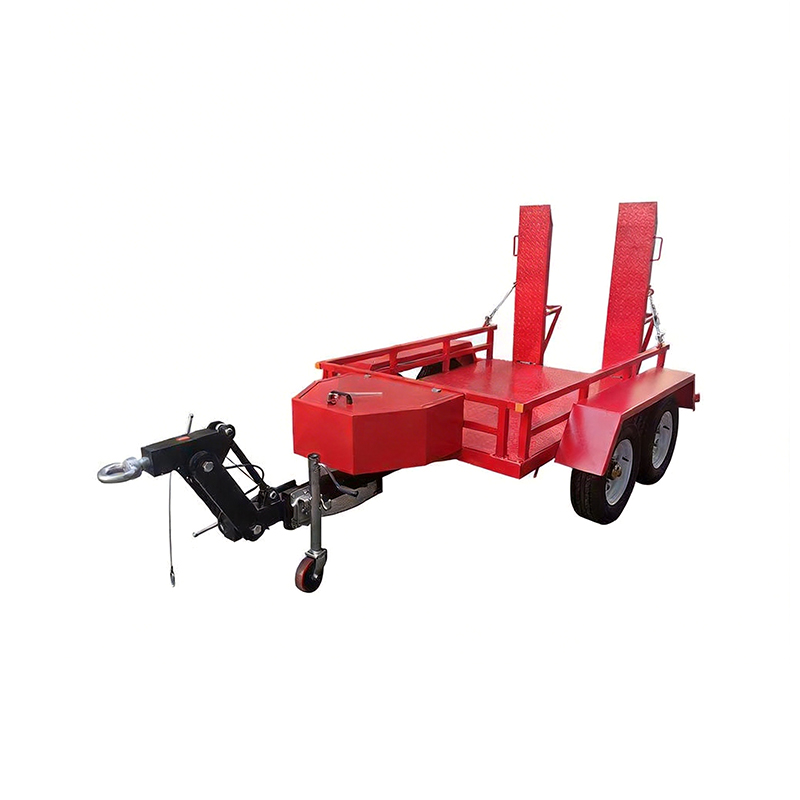
Double Axle Small Excavator Car Dolly Trailer

Products
Quick link
CONTACT US
- Phone: +86 15157058370
- Email: [email protected]
- Address: No. 11, Juhai Second Road, Qujiang District, Quzhou City, Zhejiang Province, China
Copyright © Zhejiang Zebang Machinery Co., Ltd. All Rights Reserved.
