
 +86 15157058370

 Language
 English
 Español
 عربى

Get In Touch
Where Can Portable Solar Trailers Work Without Grid Power
Remote projects often lack an utility connection. Construction zones, events, emergency sites, agricultural properties, parking areas and outdoor monitoring spots may require electricity long before permanent infrastructure arrives. A portable solar trailer offers a towable power platform that blends generation, battery storage, power electronics and mobile deployment into one system.
Construction Sites Without Utility Connections
Temporary construction projects frequently shift location as work moves forward. Laying an electrical line to every new site may not be practical. Solar trailers can supply power for chosen loads such as lighting, communication gear, cameras, sensors and small tools.
- Site lighting: Provides light after daylight fades.
- Security cameras: Supplies power to remote monitoring spots.
- Communication equipment: Can power routers, radios and networking hardware.
- Small electrical loads: Adequate systems can power chosen tools and site equipment.
Commercial solar systems are already sold for construction sites and temporary remote jobs. Their configurations range from units to trailers that carry several kilowatts of solar generation and large battery storage.
Remote Security Needs More Than a Battery
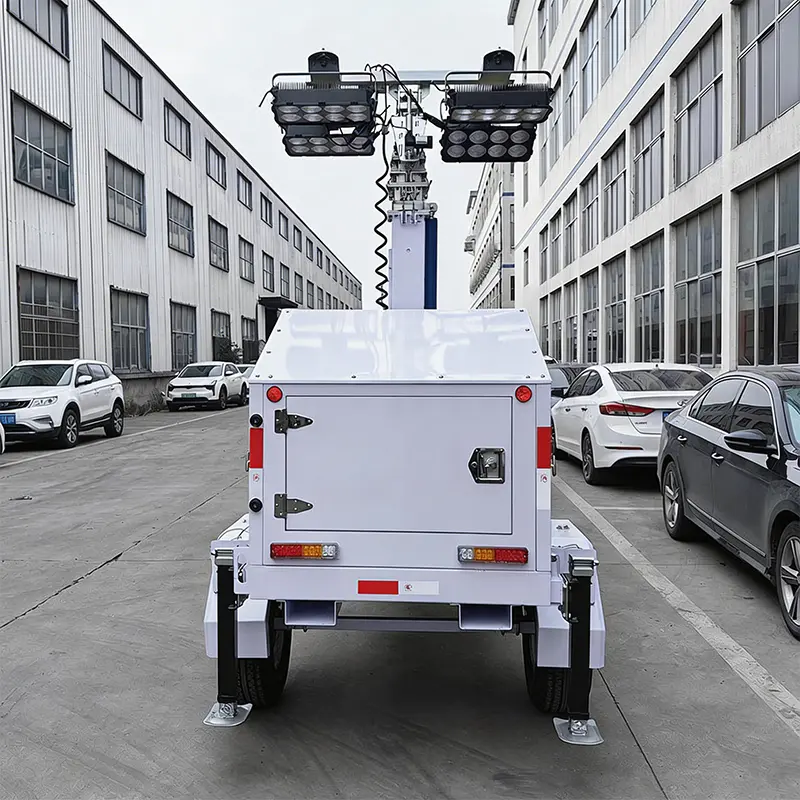
Temporary security setups are hard to link to utility power, around empty properties, construction sites, parking lots and undeveloped land. A solar trailer can merge energy storage with a mast‑mounted camera, lighting gear, wireless networking or other monitoring hardware.
- Solar panels recharge the battery while daylight is present.
- Battery storage keeps equipment running after sunset.
- Telescoping masts can lift cameras or lights above the surrounding area.
- PoE networking can simplify links between cameras and communication devices.
Published mobile solar trailer specs show systems that have telescoping masts, PoE networking, sealed battery storage and solar arrays from 720 W to 1,080 W. These compact trailers can support surveillance and remote lighting.
Could Solar Trailers Support Emergency Response?
Emergency operations usually happen before normal infrastructure is back. Disaster response teams may need electricity for communications, lighting, medical gear, refrigeration, charging stations and temporary work areas.
Battery capacity is especially important here. Current commercial systems range from setups to trailers that offer tens of kilowatt‑hours of storage. Some larger designs list 30–50 kWh of battery capacity along with several kilowatts of solar generation.
- Short deployments: Small battery systems can cover lighting, communications and charging needs.
- Extended operations: Larger storage reserves give energy after sunset.
- Critical loads: Load prioritization can keep stored energy for equipment.
What About Agriculture and Remote Land?
Large agricultural properties may have gates, pumps, cameras, sensors, livestock monitoring gear or lights from buildings. Extending cables across these areas requires a lot of installation work.
A portable solar trailer can instead be moved to the spot that needs power. Systems with weather‑resistant housings and remote monitoring can also give insight into battery status, solar output, temperature and connected loads.
Temporary Events Can Use Mobile Power Too
Outdoor concerts, festivals, sports events, exhibitions and temporary venues often need electricity where there is no utility. Solar trailers can power chosen loads such as security cameras, communication gear, lighting, ticketing equipment and charging stations.
- Temporary parking areas
- Outdoor event zones
- Remote information points
- Temporary security checkpoints
- charging areas
Commercial solar trailer uses already cover festivals parking lots, temporary security, emergency power and agriculture.
How Power Does the Site Actually Need?
Not every off‑grid job needs a solar trailer. The required system size depends on the load, operating hours, solar input, battery capacity and expected weather.
- Low‑power monitoring: Cameras, sensors and networking gear may need modest continuous power.
- Lighting applications: Higher loads need solar generation and battery reserves.
- Heavy equipment: Tools, chargers, HVAC units and EV chargers need larger power systems.
Some current portable solar trailer models advertise output from about 2 kW to 7 kW and battery storage from 16 kWh, to 96 kWh. This shows how system capacity can vary with the intended use.
Where Does a Portable Solar Trailer Make Sense?
The best use case is whenever power is needed temporarily mobility is important and utility access is missing or inconvenient. Construction sites, emergency zones, remote security spots, agricultural fields, outdoor events and temporary charging spots all fit this profile.
Choosing the right portable solar trailer starts with the load, not the trailer. Solar array size, battery capacity, inverter output, deployment space, weather protection monitoring features and towing needs should all match the field use. A well‑configured system can turn an off‑grid spot into a usable temporary power site.
Related Products
-
 View More
-
 View More
Heavy-Duty Steel Flatbed Two-Wheel Car Trailer
-
 View More
Portable and Corrosion-Resistant Small Aluminum Car Trailer
-
 View More
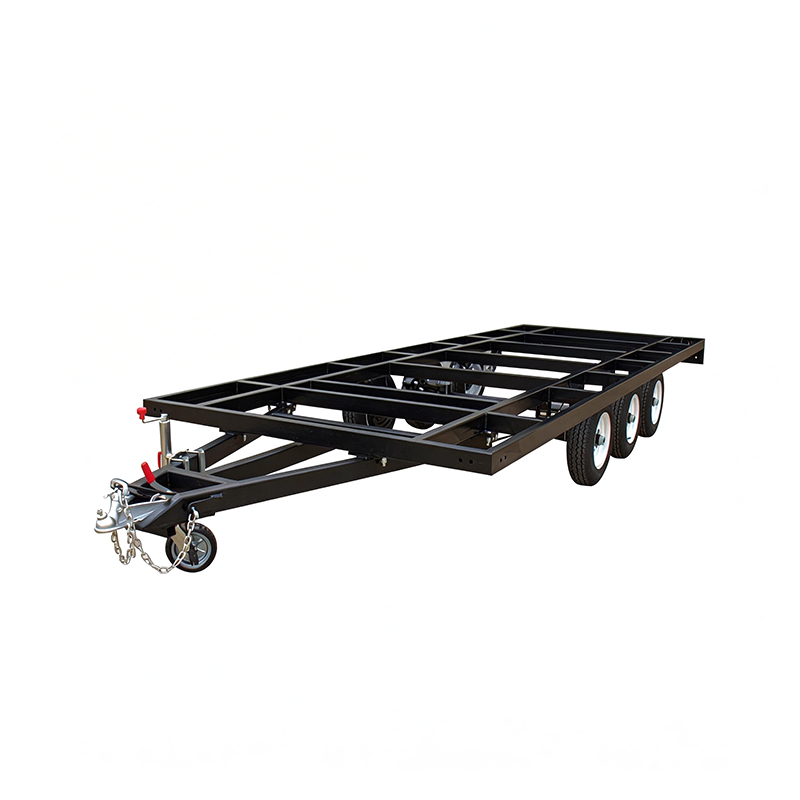
Galvanized Plate Aluminum Car Trailer With High Load Capacity
-
 View More
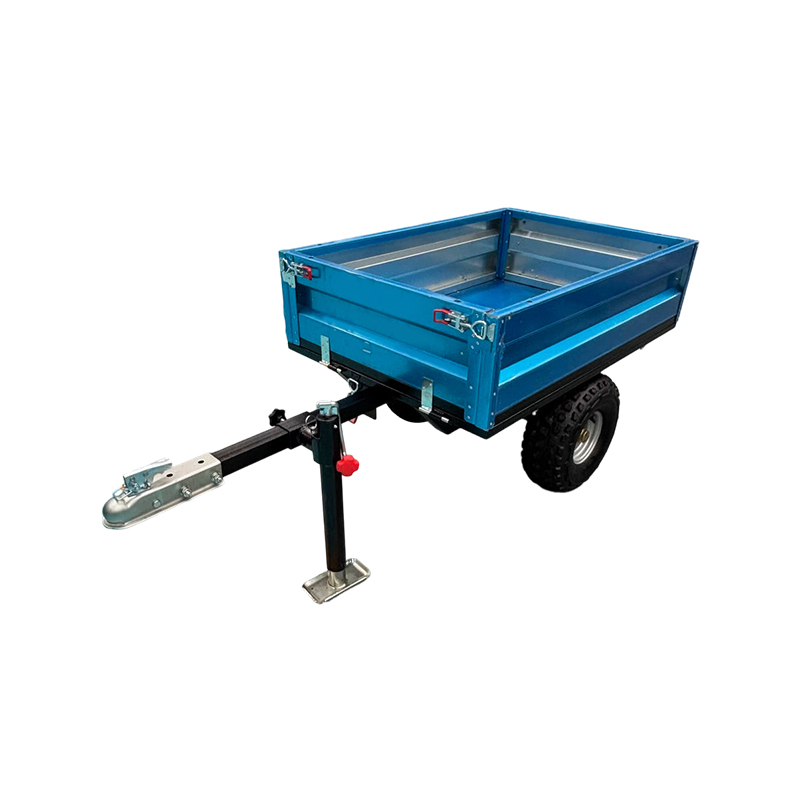
2001-3000 kg Blue Single Steel Cage Car Trailers Trailer
-
 View More
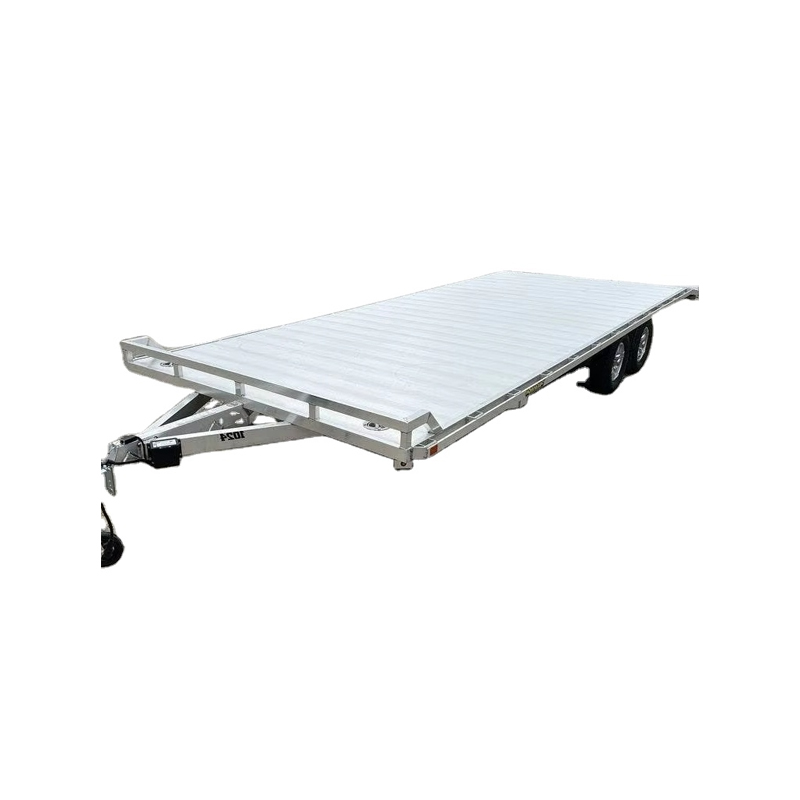
High-Performance Aluminum ATV UTV Golf Cart Car Trailer
-
 View More
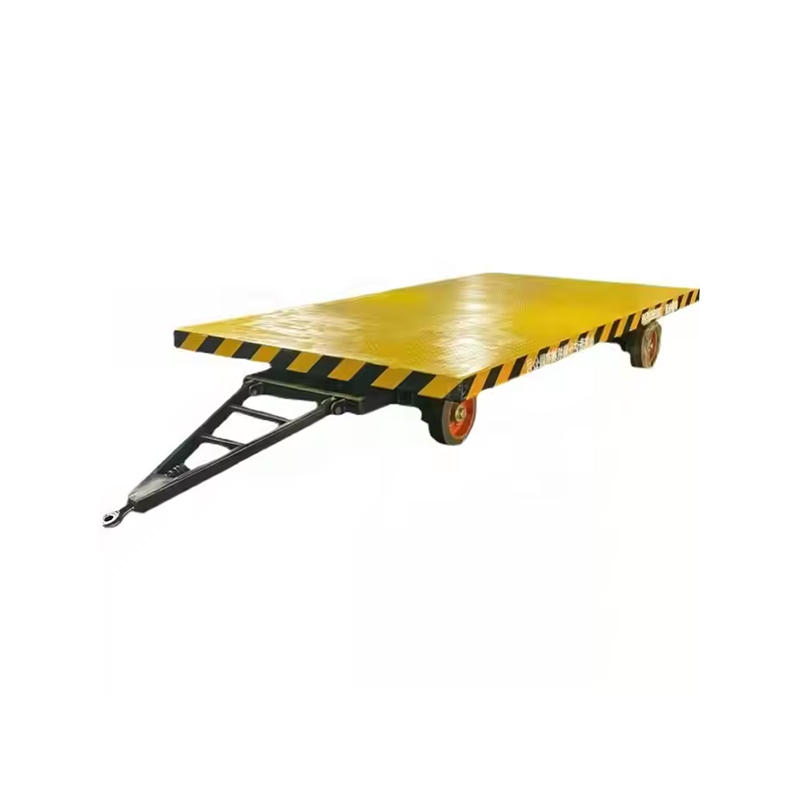
Heavy Duty Double Axle Semi Trailer Flatbed Truck Trailer
-
 View More
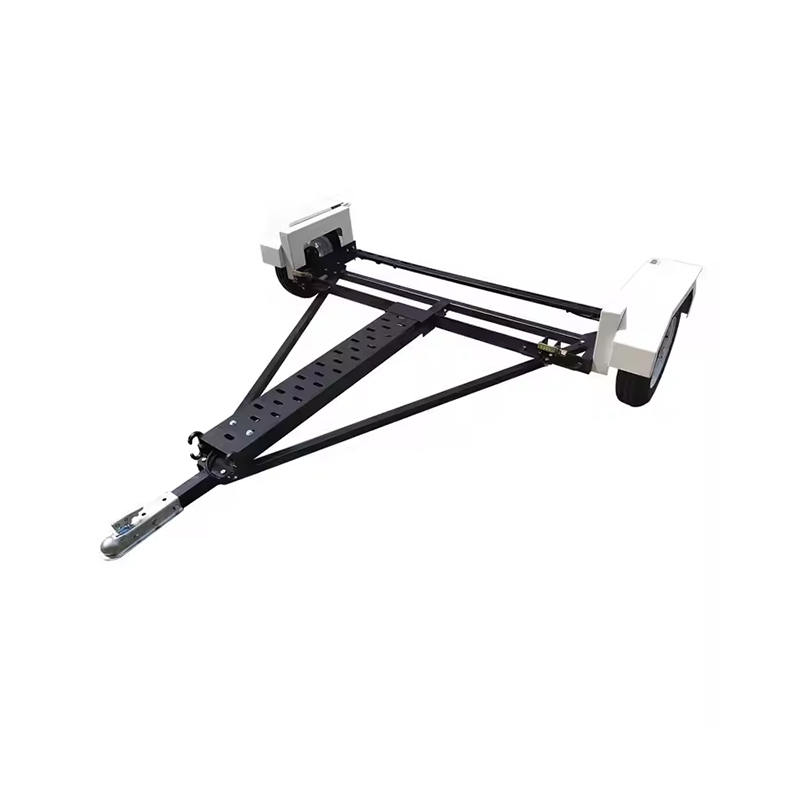
Mobile Moving Car Trailer With Fenders
-
 View More
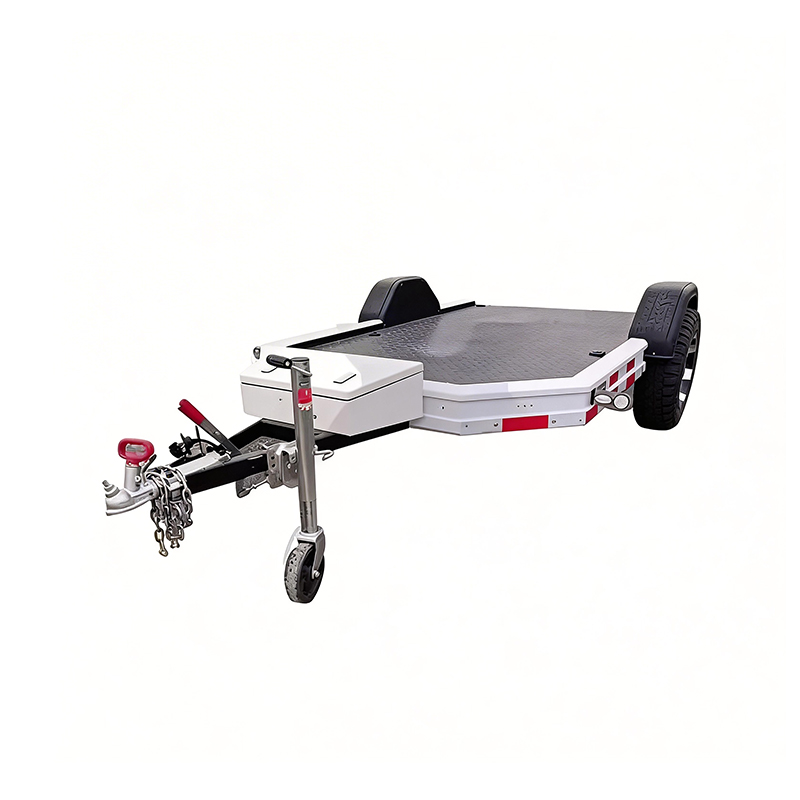
ATV Motorcycle All-terrain Trailer
-
 View More
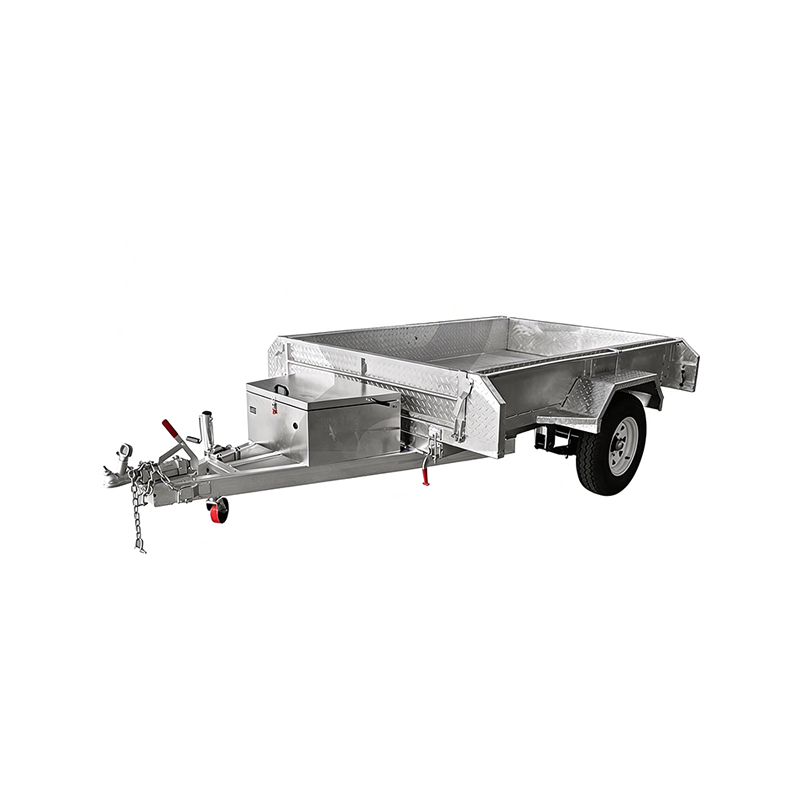
Metal Galvanised ATV Off-Road Car Trailer
-
 View More
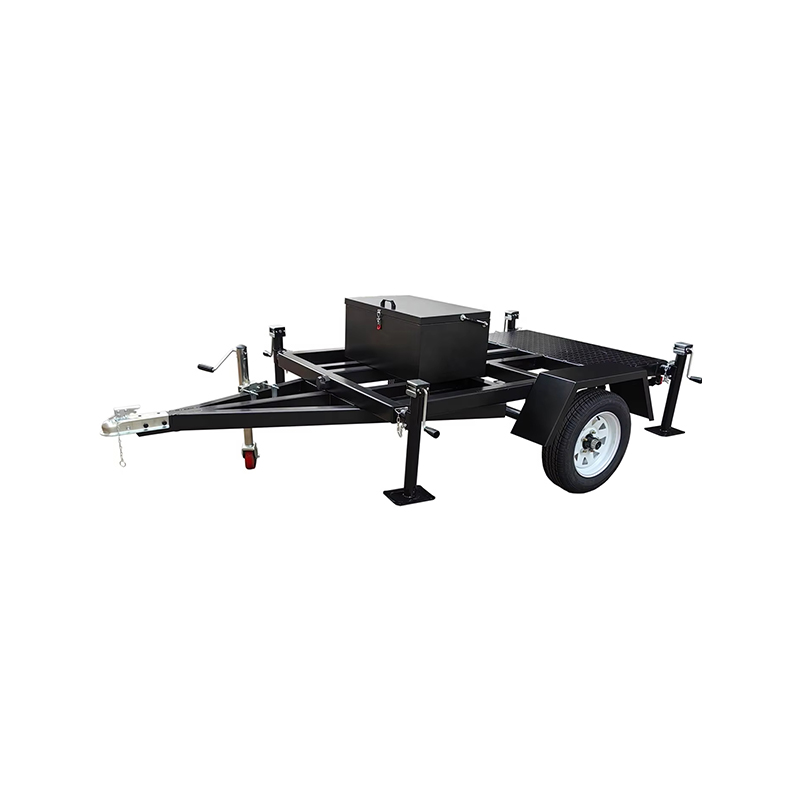
Mobile LED Display Chassis Semi Car Trailer
-
 View More
Multipurpose Truck Utility Trailers with Leaf Spring
-
 View More
Galvanised Tandem Farm Plant Tipping Hydraulic Trailer
-
View More
Hot Dip Galvanized Finish Silver Single Car Trailer
-
 View More
Aluminum Car Trailer with Steel Box Finish Plate Galvanized Wheel
-
 View More
Single Axle Metal Pull Behind Car Trailer
-
 View More
Galvanished Powder Coated Double Axle Car Trailer
-
 View More
2 Axle Steel Q235 Small Equipment CarTrailer
-
 View More
Double Axle Steel Frame Small Car Trailer
-
 View More
Double Axle Small Excavator Car Dolly Trailer

Products
Quick link
CONTACT US
- Phone: +86 15157058370
- Email: [email protected]
- Address: No. 11, Juhai Second Road, Qujiang District, Quzhou City, Zhejiang Province, China
Copyright © Zhejiang Zebang Machinery Co., Ltd. All Rights Reserved.
