
 +86 15157058370

 Language
 English
 Español
 عربى

Get In Touch
Cloudy Days: What Happens to Solar Security Trailers
Solar-powered security systems are often associated with clear skies and strong sunlight, yet real surveillance projects rarely operate under ideal weather every day. Construction sites, storage yards, remote properties, parking areas, and temporary facilities may experience several days of cloud cover, rain, or reduced winter sunlight. This raises an important product question: what happens to a solar powered mobile security trailer once solar production drops?
The answer depends on the relationship between the solar array, battery bank, connected security equipment, and expected operating load. A properly configured system does not stop simply because sunlight becomes weaker. Instead, stored battery energy carries the surveillance equipment through periods of reduced solar generation.
Clouds Reduce Solar Input, Not Security Automatically
Solar panels can still produce electricity under cloudy conditions, although output generally falls compared with direct sunlight. The battery therefore becomes more important during extended overcast periods.
- Clear weather: Solar generation can supply the active load while replenishing stored energy.
- Cloudy weather: Lower solar production increases dependence on battery reserves.
- Nighttime: Cameras, networking equipment, and other loads operate from stored battery power.
- Extended low-sun periods: Available autonomy depends on battery capacity and total electrical consumption.
Current solar security systems commonly combine solar panels with onboard batteries specifically to bridge nighttime and cloudy periods. Some published systems claim several days of operation under low-sun conditions.

Battery Capacity Becomes the Real Buffer
Battery storage determines how long surveillance equipment can continue operating after solar production becomes insufficient. Larger batteries provide a larger energy reserve, although actual runtime also depends on connected equipment.
As an example, a compact mobile surveillance platform may use around 200 Ah of battery storage with a 300 W solar input and be designed to provide several days of autonomy during low-sun conditions. In larger systems, much greater storage capacity can be implemented. One published trailer configuration has a 600 Ah battery bank, a 1320 W solar array and a 105 hour run time at a 100 W load.
- Battery capacity: This is the amount of energy stored in reserve.
- Solar Capacity: Determines the rate of energy replenishment.
- System load: It defines the rate at which the stored energy is consumed.
- Weather conditions: Affect how much energy returns to the battery each day.
Camera Load Can Change Cloudy-Day Runtime
Not every security trailer consumes the same amount of electricity. A basic fixed camera system may require considerably less power than a configuration combining multiple PTZ cameras, infrared illumination, LED floodlights, wireless communication, edge computing, and continuous video transmission.
- Fixed cameras generally create a predictable continuous load.
- PTZ cameras can consume additional power during movement and positioning.
- Night lighting increases electrical demand after sunset.
- Cellular, Wi-Fi, or other communication hardware adds continuous consumption.
- AI processing and local recording can increase the total system load.
This is why advertised runtime should always be considered alongside the load condition used to calculate it. A system rated for a particular number of hours at 100 W will produce a different result at 200 W or 300 W.
Can Load Management Extend Autonomy?
Yes. Intelligent power management can preserve battery reserves during extended periods of poor solar input. Non-critical equipment can be scheduled or reduced while essential surveillance functions remain active.
- Prioritize cameras: Maintain essential video coverage throughout the low-sun period.
- Control lighting: Activate floodlights through motion detection rather than continuous operation where suitable.
- Monitor battery status: Track voltage, charge level, and energy consumption remotely.
- Reduce secondary loads: Preserve stored energy for critical security functions.
Some commercial platforms include battery monitoring systems that track power levels continuously and can provide warnings about potential shortages.
Winter Weather Presents a Different Challenge
Solar security equipment is not only influenced by a few days of cloudy weather. In winter, available daylight hours can decrease and the angle of incoming sunlight can change. Snow, shade, dust and temporary obstructions can further reduce the useful solar generation.
Therefore, system sizing should take into account the expected deployment season, rather than just assuming peak summer conditions. For a trailer that will be doing surveillance year-round, more solar capacity, larger battery storage or the option of auxiliary power may be needed to achieve the desired autonomy during extended periods of low sun.
What Happens During Several Days of Clouds?
The trailer gradually relies more heavily on stored energy as solar generation falls below the electrical demand. Once sunlight returns, the solar array begins replenishing the battery. Actual autonomy depends on the balance between daily solar input and daily consumption.
Some published systems specify around 72 hours of operation under cloudy conditions, while other configurations advertise multi-day autonomy based on different battery and load combinations.
- Short cloudy period: Battery storage can bridge the temporary reduction in solar generation.
- Several overcast days: Battery reserves become increasingly important.
- Extended poor weather: Auxiliary charging or backup generation may become necessary depending on the required uptime.
Should a Solar Security Trailer Have Backup Power?
Backup power is not required for every project, but it can provide an additional layer of operational security for applications that cannot tolerate extended downtime. Some mobile surveillance platforms offer generator, fuel-cell, or external power options for prolonged low-sun periods.
Projects with moderate security requirements may rely entirely on solar and battery storage. Critical infrastructure, remote industrial facilities, and locations with long winter periods may benefit from an additional charging source.
What Should Buyers Check Before Deployment?
- Solar array wattage and expected daily energy generation.
- Battery capacity and stated autonomy without solar input.
- Camera and lighting load under normal nighttime operation.
- Cellular or wireless equipment consumption during continuous monitoring.
- Seasonal sunlight conditions at the intended deployment location.
- Backup charging options for unusually long low-sun periods.
Cloudy weather does not automatically make a solar powered mobile security trailer unusable. The key is energy balance. Solar panels provide daily generation, batteries create an energy buffer, and intelligent load management helps preserve that reserve. A system sized around the actual camera configuration, climate, deployment season, and required uptime can continue providing remote surveillance even through periods of limited sunlight.
Related Products
-
 View More
-
 View More
Heavy-Duty Steel Flatbed Two-Wheel Car Trailer
-
 View More
Portable and Corrosion-Resistant Small Aluminum Car Trailer
-
 View More
Galvanized Plate Aluminum Car Trailer With High Load Capacity
-
 View More
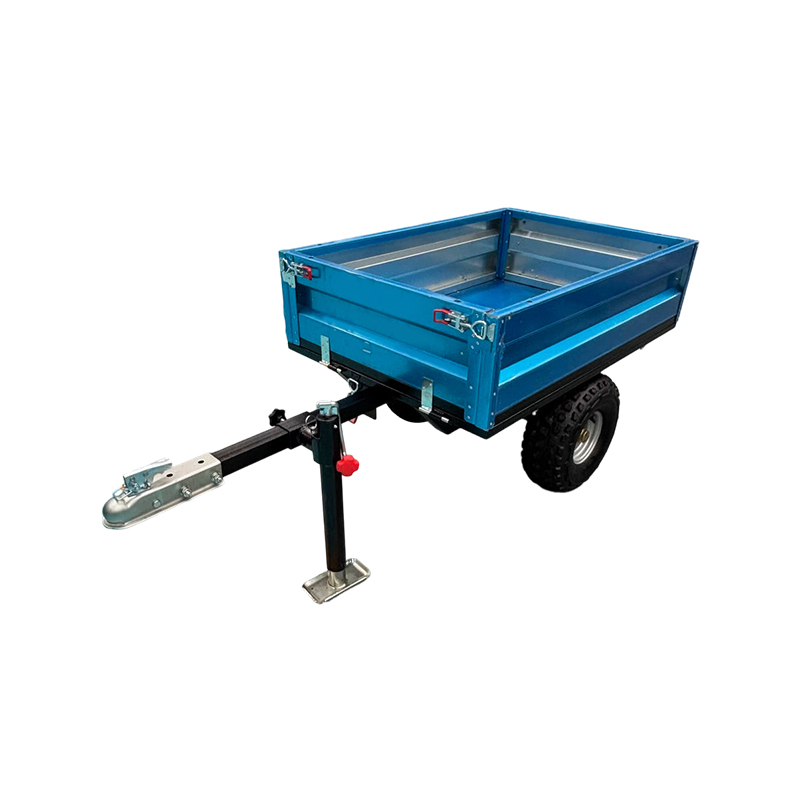
2001-3000 kg Blue Single Steel Cage Car Trailers Trailer
-
 View More
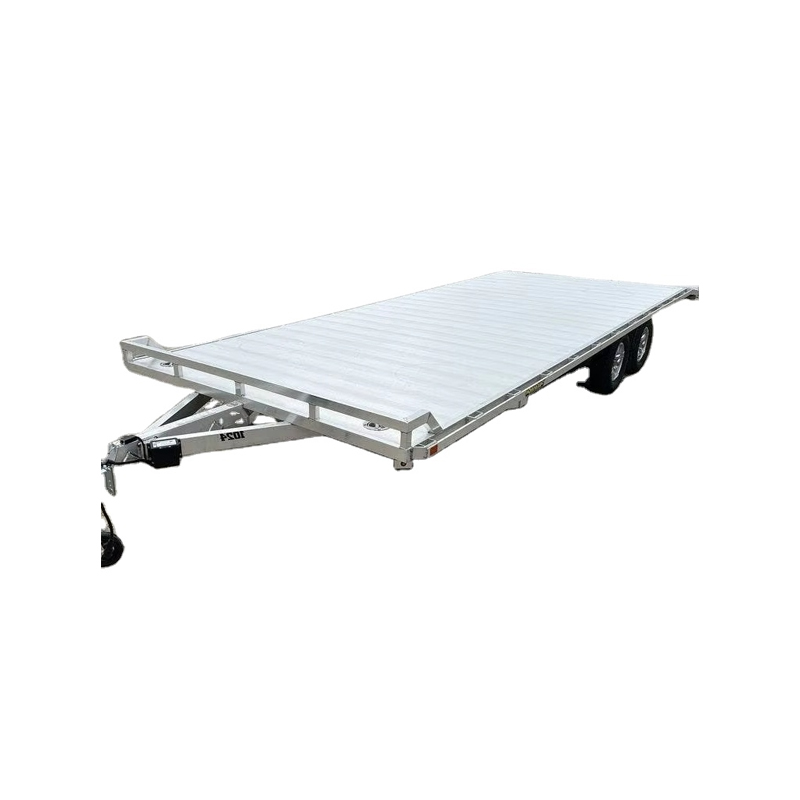
High-Performance Aluminum ATV UTV Golf Cart Car Trailer
-
 View More
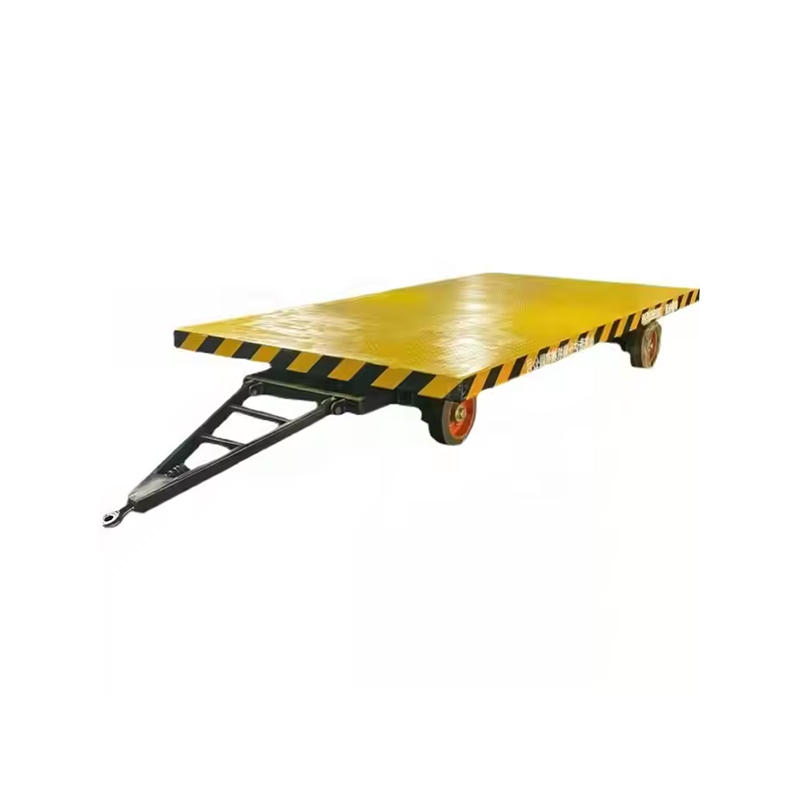
Heavy Duty Double Axle Semi Trailer Flatbed Truck Trailer
-
 View More
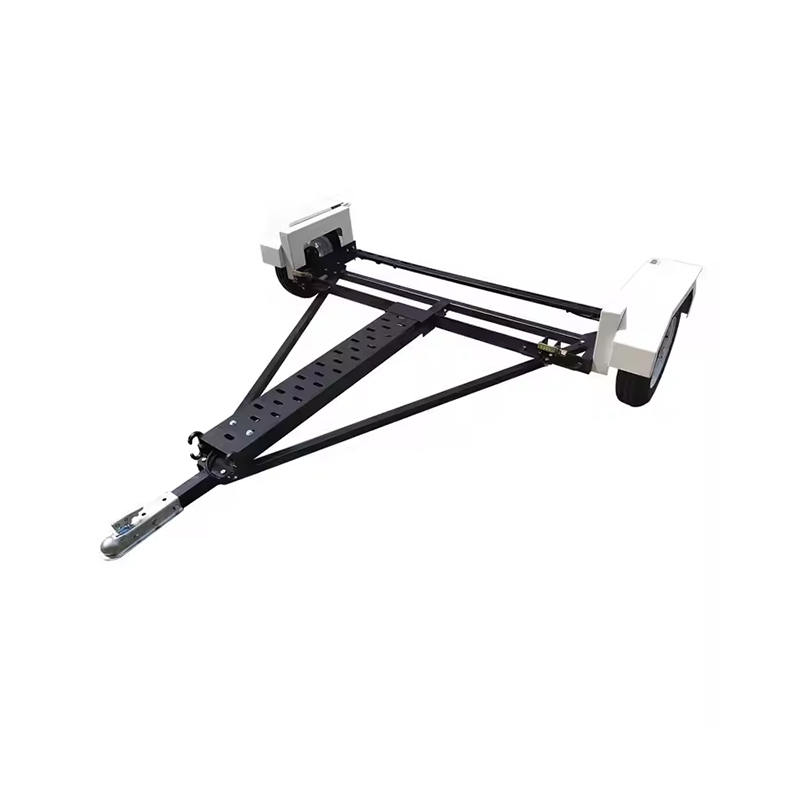
Mobile Moving Car Trailer With Fenders
-
 View More
ATV Motorcycle All-terrain Trailer
-
 View More
Metal Galvanised ATV Off-Road Car Trailer
-
 View More
Mobile LED Display Chassis Semi Car Trailer
-
 View More
Multipurpose Truck Utility Trailers with Leaf Spring
-
 View More
Galvanised Tandem Farm Plant Tipping Hydraulic Trailer
-
View More
Hot Dip Galvanized Finish Silver Single Car Trailer
-
 View More
Aluminum Car Trailer with Steel Box Finish Plate Galvanized Wheel
-
 View More
Single Axle Metal Pull Behind Car Trailer
-
 View More
Galvanished Powder Coated Double Axle Car Trailer
-
 View More
2 Axle Steel Q235 Small Equipment CarTrailer
-
 View More
Double Axle Steel Frame Small Car Trailer
-
 View More
Double Axle Small Excavator Car Dolly Trailer

Products
Quick link
CONTACT US
- Phone: +86 15157058370
- Email: [email protected]
- Address: No. 11, Juhai Second Road, Qujiang District, Quzhou City, Zhejiang Province, China
Copyright © Zhejiang Zebang Machinery Co., Ltd. All Rights Reserved.
