
 +86 15157058370

 Language
 English
 Español
 عربى

Get In Touch
Cage or Box Trailer: Which Design Fits Your Cargo Requirements
Transporting equipment, construction materials, garden waste, or packaged goods requires a trailer that matches the size, weight, and handling needs of the cargo. A design that works for bulky outdoor materials may not provide sufficient protection for tools or goods that must remain dry. At Zebang, we encourage buyers to assess their regular transport tasks before deciding between a cage-style design and a box-style trailer. Our Cage & Box Trailer solutions can be evaluated according to cargo dimensions, loading methods, storage conditions, and transportation requirements.

1. Understand the Difference Between Cage and Box Trailers
The main difference lies in the side structure and the level of enclosure. A cage trailer typically uses mesh or metal bars above the trailer bed, while a box trailer uses solid side panels. The appropriate design depends on the cargo being transported and the protection required during the journey.
- Cage trailer: Suitable for bulky items, branches, garden waste, bags, and equipment that benefits from additional side height and airflow.
- Box trailer: Suitable for tools, packaged materials, furniture, and smaller items that need solid side containment.
- Combined configuration: A trailer with removable cage panels can provide flexibility for buyers whose cargo requirements change between jobs, subject to the available design.
Buyers should also distinguish an open box-style trailer from a fully enclosed cargo trailer. Solid side panels alone do not provide complete protection from rain or unauthorized access. A roof, doors, and suitable locking arrangements are required for a fully enclosed design.
2. Match the Trailer to Your Cargo Type
Cargo characteristics often provide a clearer basis for comparison than the trailer's appearance. Consider the following requirements before requesting a quotation.
Bulky and Irregular Loads
Garden waste, branches, cardboard, and lightweight outdoor equipment can occupy substantial space without reaching the trailer's weight limit. A cage trailer provides additional height for these materials while allowing air to pass through its mesh sides.
- Check the internal bed dimensions and cage height.
- Confirm that the opening allows convenient loading and unloading.
- Secure loose materials with suitable straps or cargo nets to prevent items from falling during transit.
Packaged Goods and Work Equipment
Tools, cartons, furniture, and building supplies may benefit from the solid side panels of a box trailer. These panels help contain smaller items and provide convenient surfaces for organizing cargo, although additional restraints may still be necessary.
- Review tie-down points and available attachment locations.
- Check the tailgate design and loading access.
- Consider a covered or fully enclosed configuration for weather-sensitive or valuable goods.
3. Compare Payload, Dimensions, and Axle Configuration
Trailer capacity should be assessed using rated weight limits rather than the amount of space available inside the trailer. A taller cage increases the volume available for bulky cargo, but it does not automatically increase the permitted payload.
- Payload capacity: Confirm the allowable cargo weight after accounting for the trailer's own weight and the applicable rated limits.
- Trailer dimensions: Compare bed length, width, side height, and overall dimensions with the largest items you intend to transport.
- Axle arrangement: Review single-axle and tandem-axle options according to the required load rating and intended use.
- Towing compatibility: Verify the towing vehicle's capacity, hitch rating, braking requirements, and applicable local regulations.
At Zebang, we recommend sharing the expected cargo weight and dimensions with our team before confirming a configuration. These details help establish whether a standard design is suitable or whether a different size or structural arrangement should be considered.
4. Consider Loading Access and Daily Operations
Loading convenience can affect how well a trailer fits a particular business or transport routine. A cage trailer may provide access from above and through suitable openings, while a box trailer offers solid sides that can help contain cargo during loading and movement.
- Manual loading: Check whether the bed height and side structure allow staff to load items comfortably.
- Bulky equipment: Confirm whether ramps, removable panels, or other loading accessories are available.
- Frequent deliveries: Consider access to the cargo and the time needed to secure each load.
- Storage arrangements: Evaluate trailer dimensions and parking space when the unit is not in use.
5. Review Materials and Customization Options
Material selection, surface treatment, and structural details influence the trailer's suitability for different working conditions. Buyers should review these specifications alongside the intended cargo rather than relying on the product category alone.
- Frame construction: Ask about the frame material, structural design, and rated load capacity.
- Corrosion protection: Confirm whether galvanizing, coating, or another surface treatment is specified.
- Side-panel design: Review mesh openings, panel height, attachment methods, and removable-section options.
- Accessories: Discuss tie-down points, spare wheels, ramps, and other requirements available for the proposed model.
As a manufacturer, we can discuss application requirements and available OEM or ODM options with customers. Final materials, dimensions, load ratings, and accessories should be confirmed in the product specification and quotation.
6. Use This Checklist Before Ordering
Prepare the following information to help compare trailer configurations and supplier quotations:
- The type, dimensions, and estimated weight of the cargo.
- The required bed size, side height, and overall trailer dimensions.
- The preferred cage, box, or removable-panel configuration.
- The towing vehicle specifications and applicable braking requirements.
- The expected operating environment and corrosion-protection requirements.
- Any required accessories, customization, warranty coverage, and documentation.
Find a Trailer Configuration That Fits Your Work
A cage trailer is worth considering for bulky, irregular cargo that benefits from additional side height, while a box trailer can suit general transport tasks requiring solid side containment. Buyers handling mixed cargo may also investigate a configurable design. The final decision should account for payload, loading access, weather protection, towing compatibility, and the actual working environment.
At Zebang, we work with customers to review their transport requirements and discuss suitable trailer configurations. Contact our team with your cargo details, preferred dimensions, expected load weight, and intended application. This information provides a practical starting point for evaluating available options and preparing a quotation that reflects your project needs.
Related Products
-
 View More
-
 View More
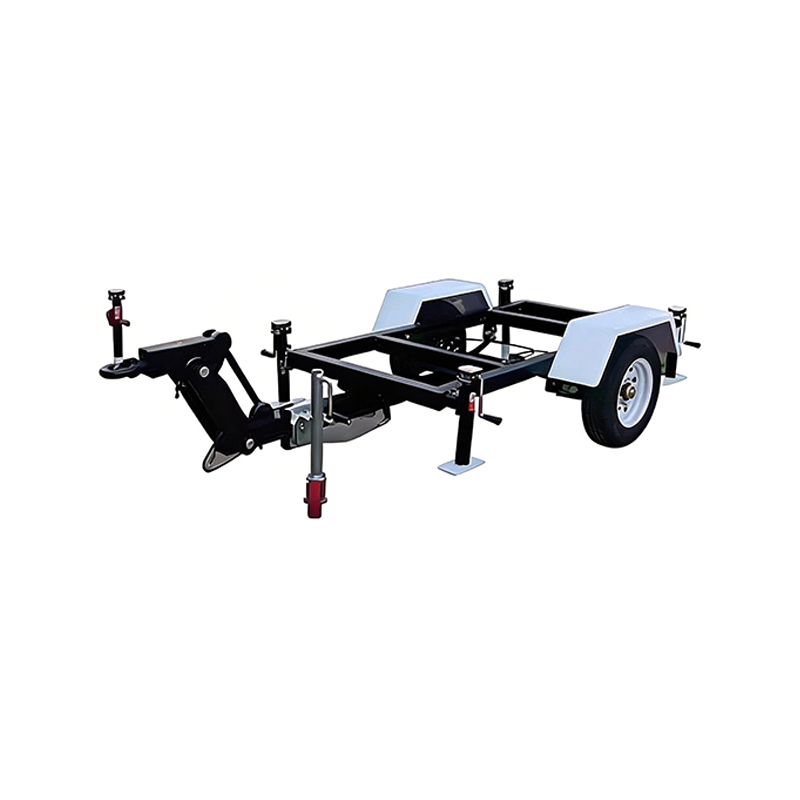
Heavy-Duty Steel Flatbed Two-Wheel Car Trailer
-
 View More
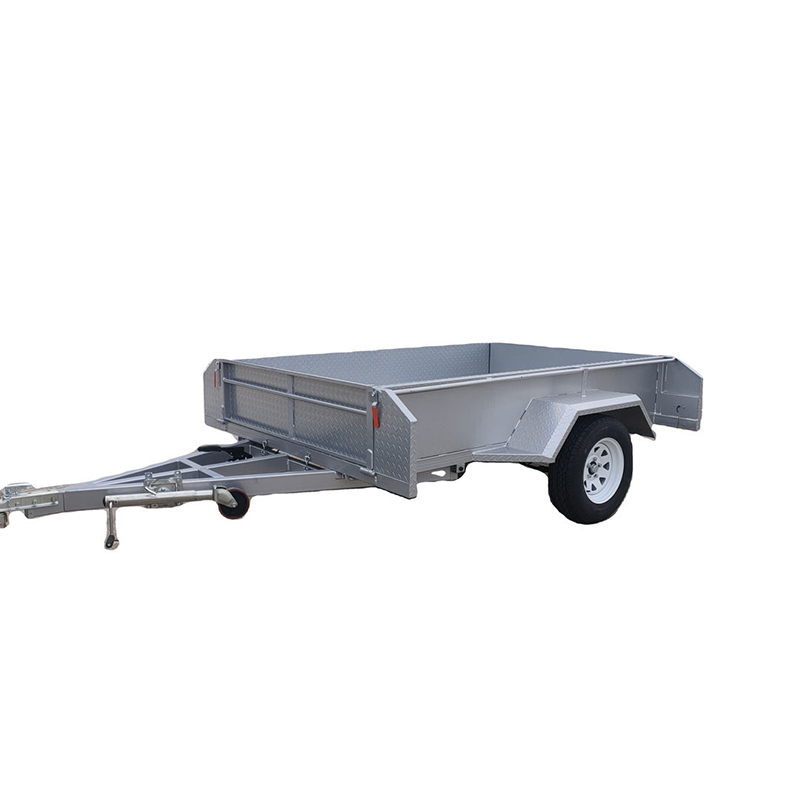
Portable and Corrosion-Resistant Small Aluminum Car Trailer
-
 View More
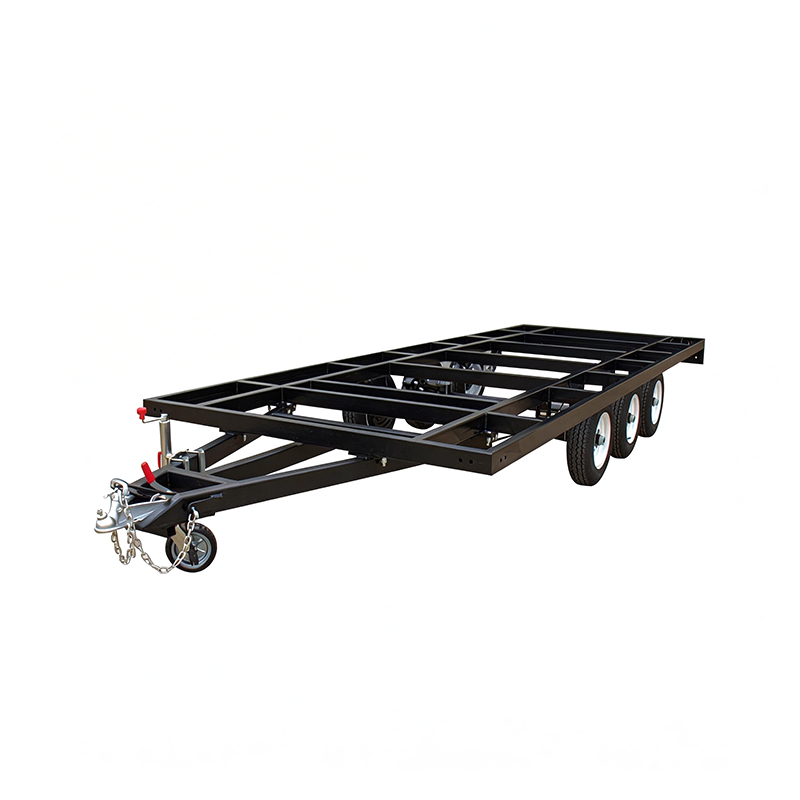
Galvanized Plate Aluminum Car Trailer With High Load Capacity
-
 View More
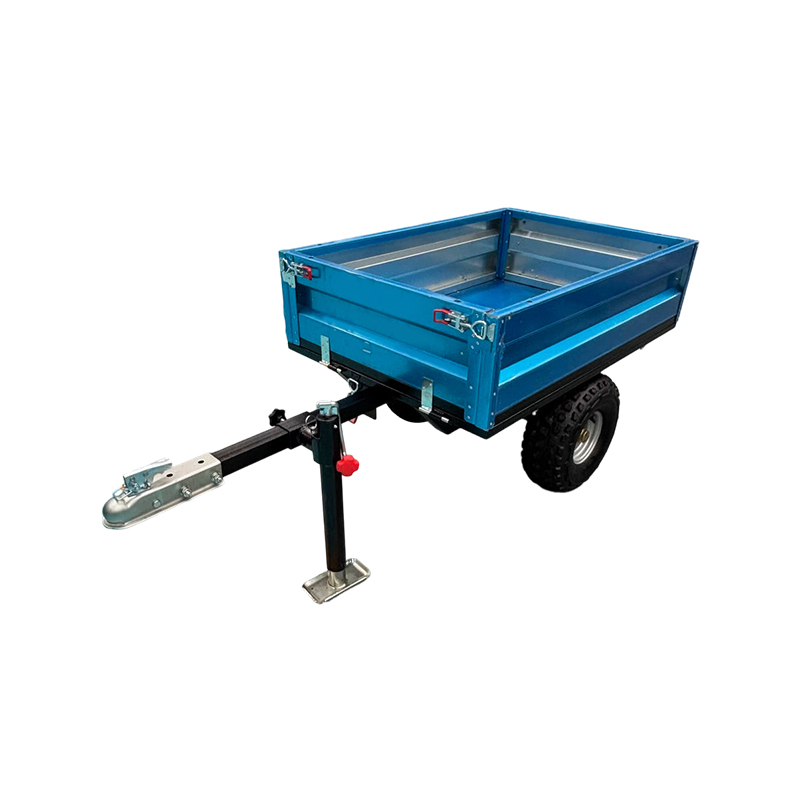
2001-3000 kg Blue Single Steel Cage Car Trailers Trailer
-
 View More
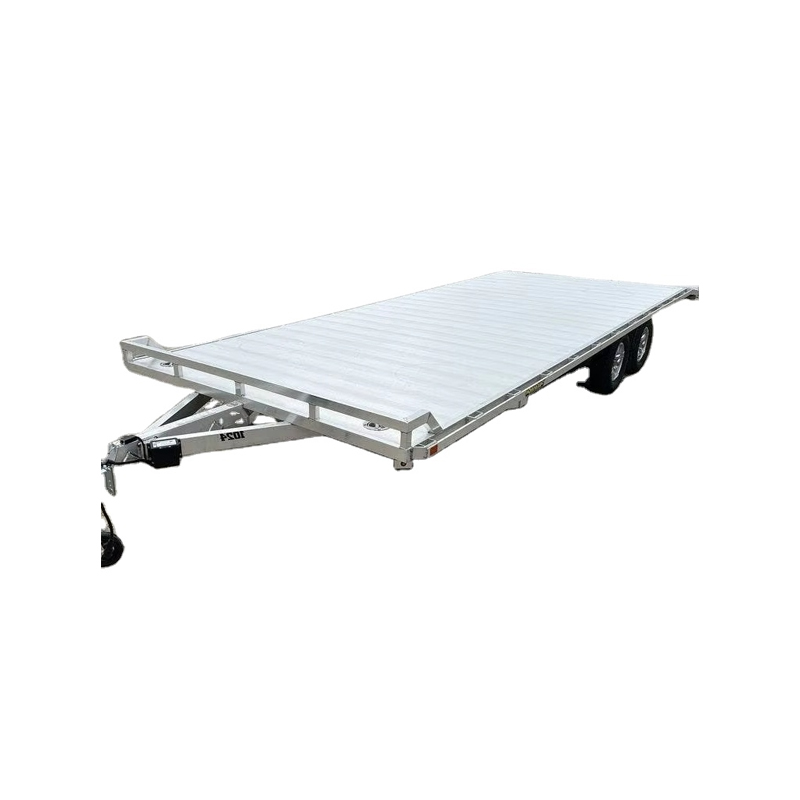
High-Performance Aluminum ATV UTV Golf Cart Car Trailer
-
 View More
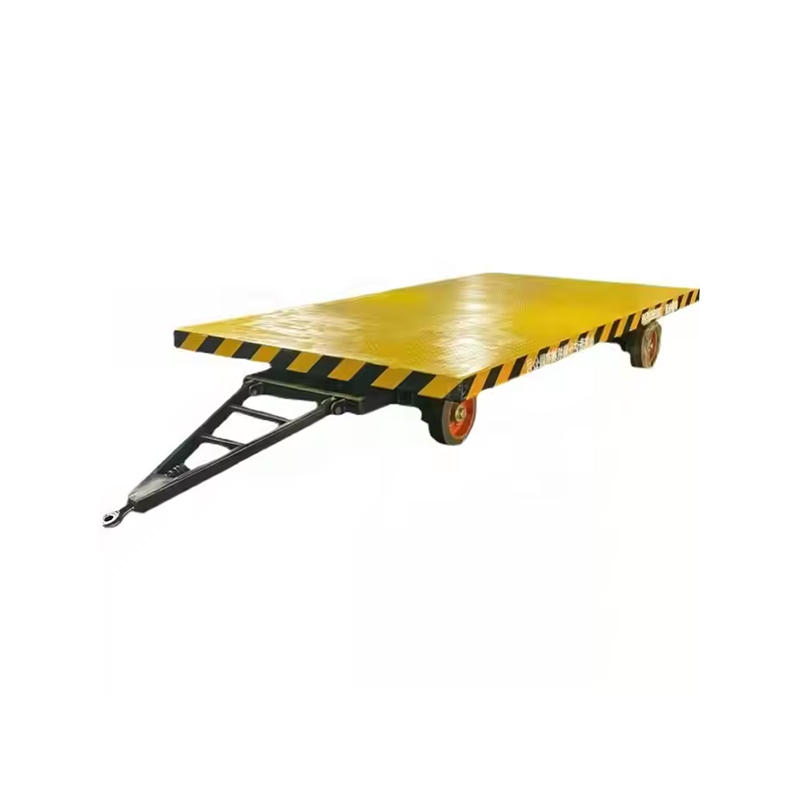
Heavy Duty Double Axle Semi Trailer Flatbed Truck Trailer
-
 View More
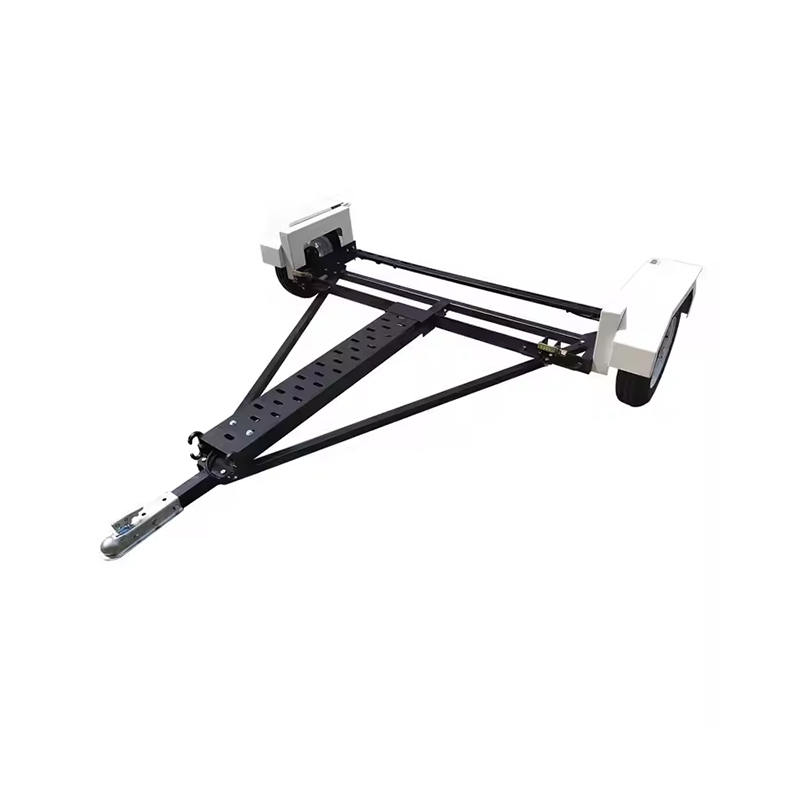
Mobile Moving Car Trailer With Fenders
-
 View More
ATV Motorcycle All-terrain Trailer
-
 View More
Metal Galvanised ATV Off-Road Car Trailer
-
 View More
Mobile LED Display Chassis Semi Car Trailer
-
 View More
Multipurpose Truck Utility Trailers with Leaf Spring
-
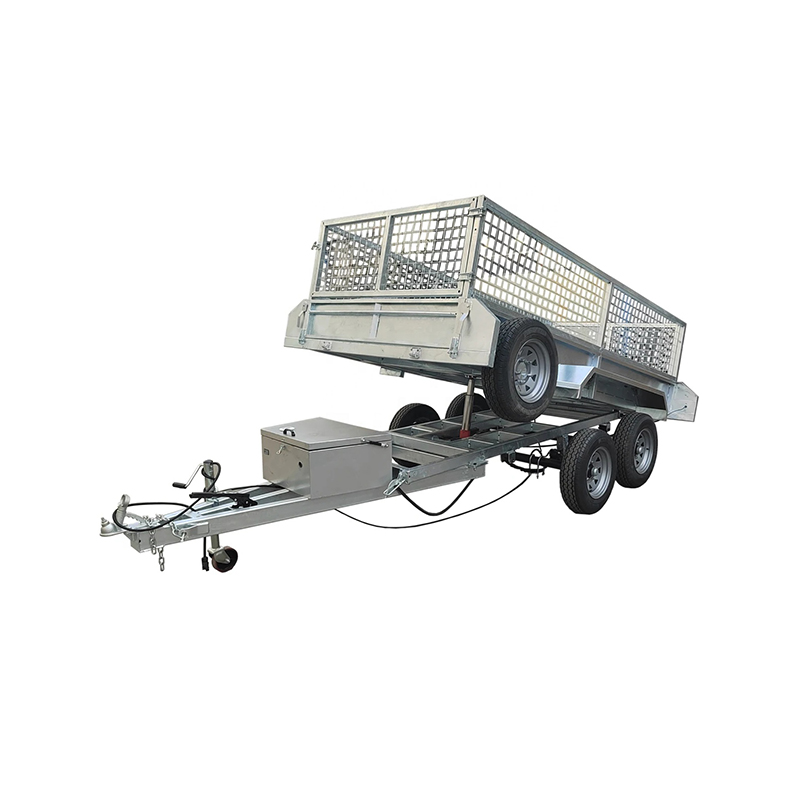 View More
Galvanised Tandem Farm Plant Tipping Hydraulic Trailer
-
View More
Hot Dip Galvanized Finish Silver Single Car Trailer
-
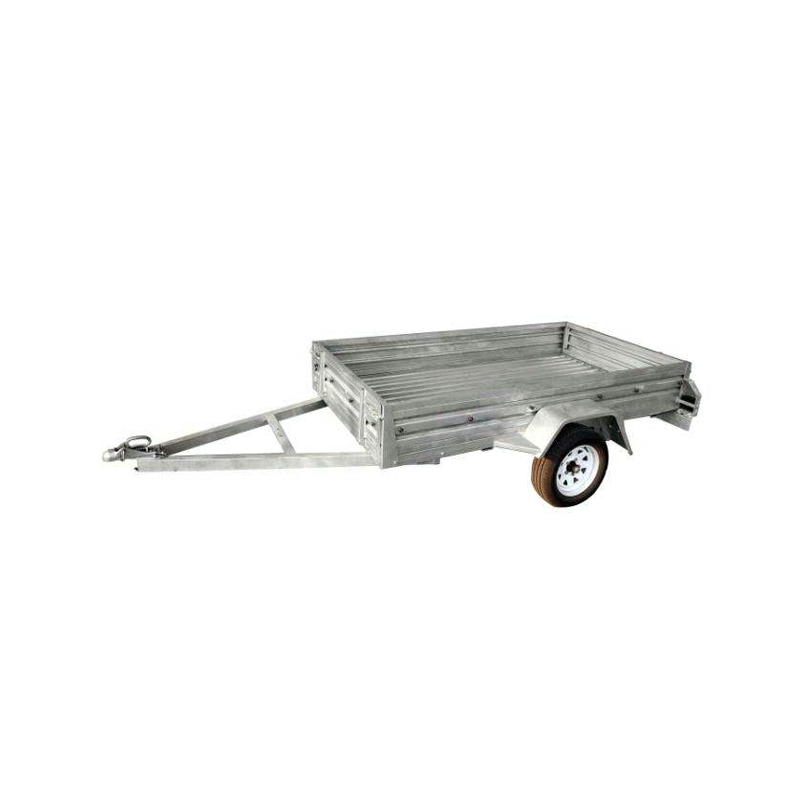 View More
Aluminum Car Trailer with Steel Box Finish Plate Galvanized Wheel
-
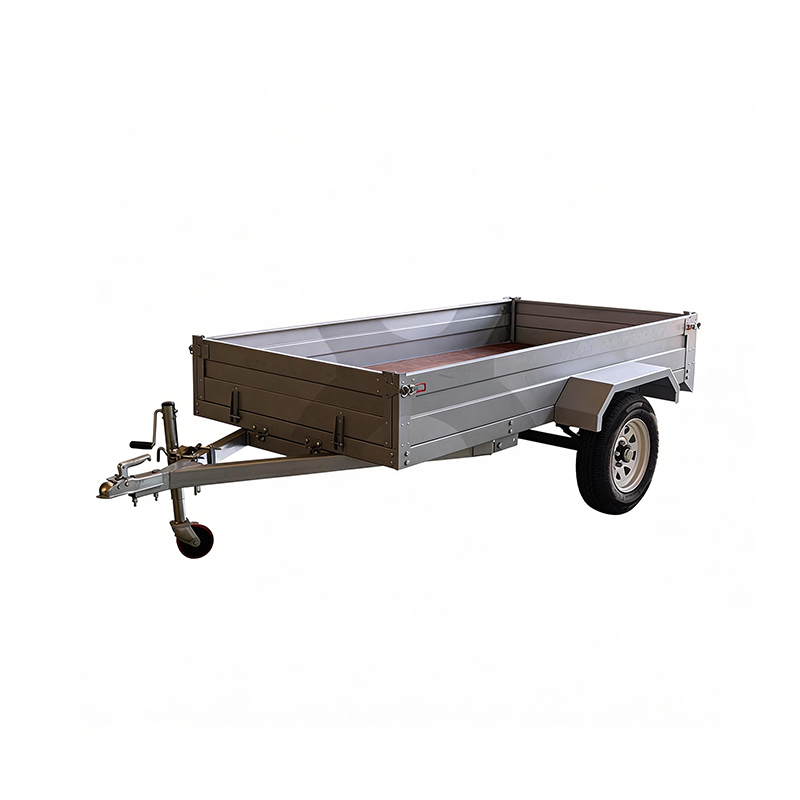 View More
Single Axle Metal Pull Behind Car Trailer
-
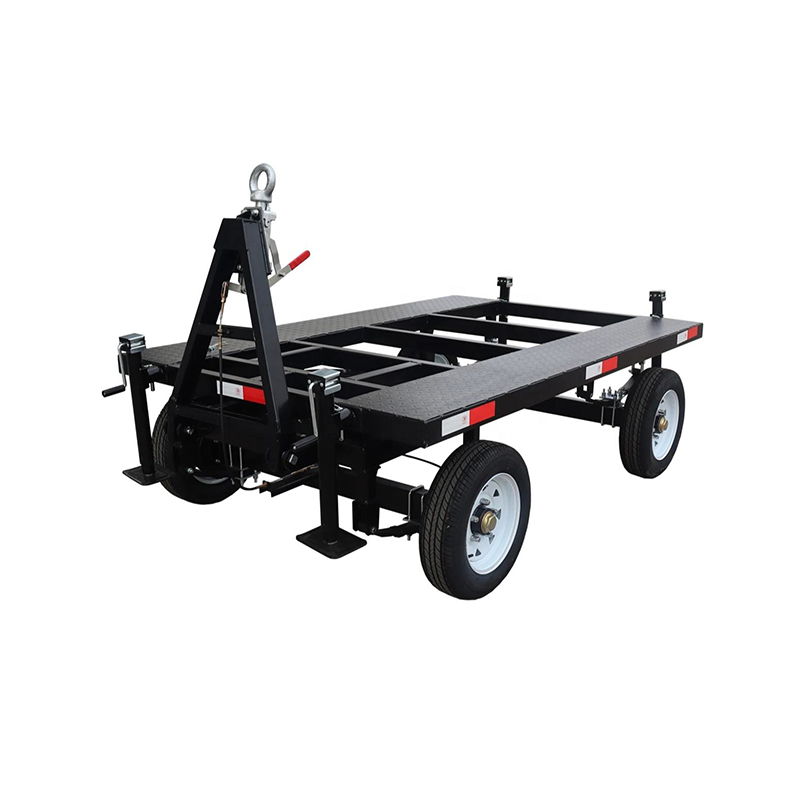 View More
Galvanished Powder Coated Double Axle Car Trailer
-
 View More
2 Axle Steel Q235 Small Equipment CarTrailer
-
 View More
Double Axle Steel Frame Small Car Trailer
-
 View More
Double Axle Small Excavator Car Dolly Trailer

Products
Quick link
CONTACT US
- Phone: +86 15157058370
- Email: [email protected]
- Address: No. 11, Juhai Second Road, Qujiang District, Quzhou City, Zhejiang Province, China
Copyright © Zhejiang Zebang Machinery Co., Ltd. All Rights Reserved.
