The Tow Rig Owner’s Guide: Axles, Enclosures, Sizing, and Financing
Buying a car-hauling trailer means matching metal to a mission. Axle count, open or enclosed deck, exact length, and payment method all interact—and the choices affect your tow vehicle, daily workflow, and long-term satisfaction.
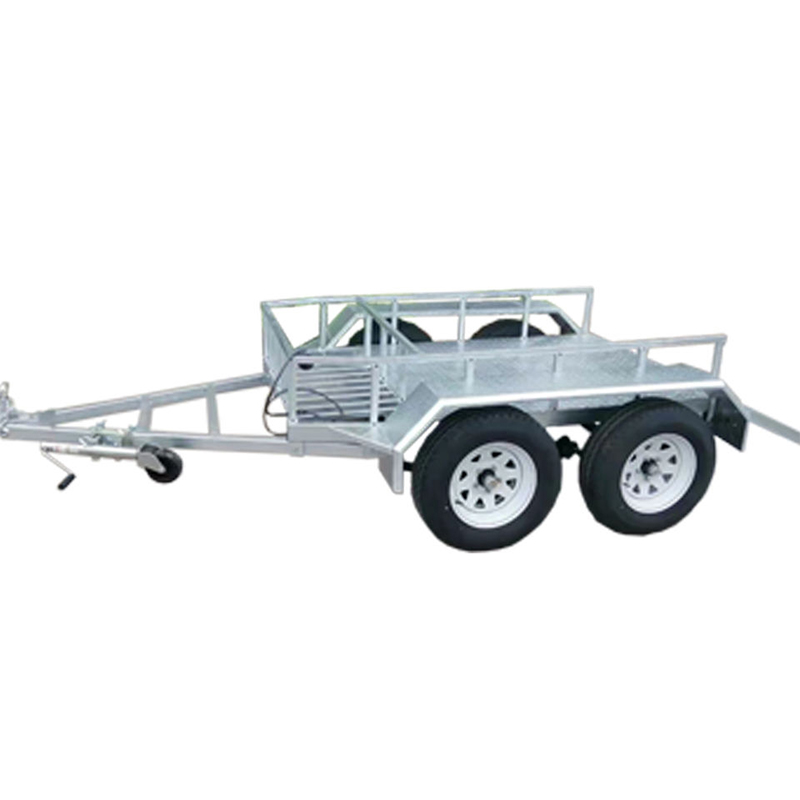
Single Axle or Tandem Axle Tow Trailer?
The axle count determines weight capacity and road behavior. It’s the first decision that filters everything else.
| Factor |
Single Axle |
Tandem Axle |
| Weight Capacity |
Lower — compact cars only |
Higher — SUVs, trucks, heavier loads |
| Stability |
Can sway; sensitive to loading |
Rock-solid; resists crosswinds |
| Blowout Safety |
Drops hard; immediate stop needed |
Often roll safely to a stop |
| Maintenance |
Fewer tires, bearings, brakes |
More components to service |
| Maneuverability |
Easier to back and park |
Needs wider turning room |
| Fuel Economy |
Better mileage |
Burns more fuel |
- Choose single axle when: you haul a compact car occasionally, have a mid-size tow vehicle, or budget is tight.
- Choose tandem axle when: you move SUVs or trucks regularly, drive long distances, or want blowout peace of mind.
Always check your tow vehicle’s owner’s manual first. The hitch rating and payload capacity determine what you can actually pull.
This choice hinges on one question: how much protection does your cargo need?
| Factor |
Open Trailer |
Enclosed Trailer |
| Weather Exposure |
Fully exposed — rain, sun, road grit |
Sealed environment — no contact with external elements |
| Security |
Visible cargo; higher theft risk |
Lockable design; cargo stays out of sight |
| Loading Ease |
Quick drive-on access; simple tie-down process |
Tighter clearances; requires more maneuvering |
| Resale Value |
Exposure to weather causes more wear and reduces value |
Protects condition and helps maintain showroom appearance |
| Versatility |
Suitable for hauling cars, equipment, and materials |
Ideal for vehicle transport; also works as secure storage |
- Choose open when: hauling a daily driver, taking short trips, or staying on a budget.
- Choose enclosed when: transporting a classic or exotic car, moving through harsh weather, or needing secure overnight storage.
Open carriers move roughly 90% of vehicles in the US. Enclosed is for the exceptions—high-value or delicate cargo.
Picking the Right Length for Your Car Trailer
Length gets the attention, but width between fenders often decides whether loading is easy or stressful.
| Trailer Length |
Best Suited For |
| 16 ft |
Compact cars, sedans |
| 18 ft |
Sedans, small SUVs, light trucks |
| 20 ft |
Pickup trucks, large SUVs, mixed-use |
| 22–24 ft |
Long trucks, commercial use, specialty vehicles |
Beyond length, check:
- Usable deck width—space between fenders, not overall width
- Removable or drive-over fenders—these make loading wide vehicles far easier
- Ramp length—critical for low-clearance sports cars to avoid scraping
- Overall storage length—including tongue and ramps—measure your garage first
Future-proofing tip: buyers often shop for their current vehicle, then wish they had more room later. A 20-footer is safer than a 16-footer if you might upgrade.
Aluminum trailers cost more upfront than steel but offer lighter weight and better corrosion resistance. Financing bridges the gap between need and available cash.
Common financing features:
- Down payment: often 10–15% of the purchase price
- Loan terms: RV and trailer loans can extend up to 20 years
- Rates: vary by credit score and loan amount
- Some lenders charge origination fees or early payoff penalties
| Approach |
Pros |
Cons |
| Financing |
Preserves working capital; predictable payments |
Interest cost; credit approval needed |
| Paying Cash |
No interest; full ownership day one |
Ties up capital; reduces liquidity |
Where to look:
- Trailer dealerships—often offer in-house or third-party financing
- Equipment leasing companies—specialize in transportation gear
- Banks and credit unions—may offer secured loans for commercial or personal trailers
Financing is more common for commercial operators who conserve cash for fuel and maintenance. For private owners, the decision often comes down to whether the trailer generates income or is a personal expense.

 +86 15157058370
 Language
  English
 Español
 عربى
عربى