The Family Off-Road Trailer Blueprint: Sizing, Towing, and Material Choices
Picking a family adventure trailer isn't about grabbing the shiniest model on the lot. It's a math problem involving your vehicle, your crew, and where you plan to camp. This guide walks through four questions that separate happy campers from roadside breakdowns.
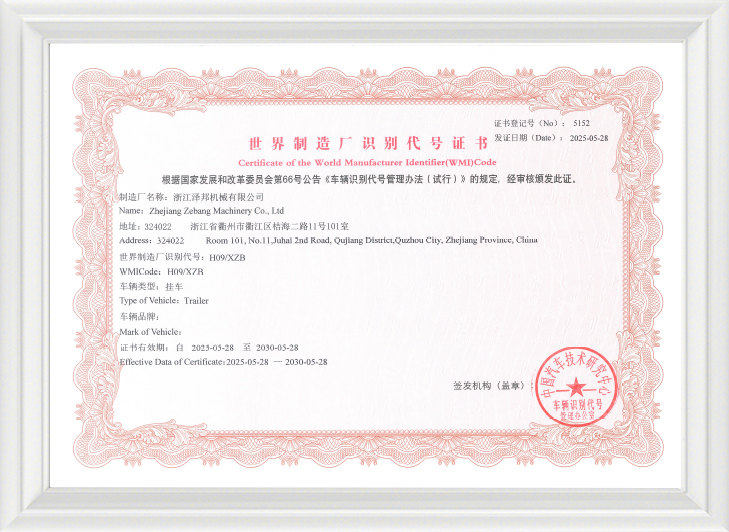
Zhejiang Zebang Machinery Co., Ltd. has spent over ten years building trailers for global markets, including Australia and North America. Their focus is utility and agricultural gear, but the engineering logic applies straight across to family camping rigs.
What Size Light Trailer Do I Need for My Family?
Forget the brochure glamour shots. Start with your vehicle's door sticker. That yellow placard tells you payload capacity—the total weight of passengers, cargo, and tongue weight your truck or SUV can carry. Most families blow past this number before they even pack the cooler.
Three numbers that actually matter:
Sleeping spots vs. real comfort: A bunkhouse model like the Jayco Jay Flight SLX 197MBW crams eight people into 23'7". That's fine for weekend chaos. For week-long trips, four people in that same space will test everyone's patience.
Cargo carrying capacity (CCC): This isn't marketing fluff. It's the difference between bringing your gear or leaving it home. A trailer with 1,300 pounds of CCC sounds generous until you add water (8.3 lbs/gallon), propane, food, chairs, and the kids' "must-have" items.
Loaded weight reality: That 3,200-pound dry trailer? Add batteries, propane tanks, water, and camping gear—you're pushing 4,500 pounds easy. Your vehicle's tow rating must cover this loaded number, not the empty one.
Family size cheat sheet:
| Family Size |
Realistic Dry Weight |
Typical Length |
Axle Setup |
| 3-4 people |
2,500 – 3,500 lbs |
18' – 22' |
Single axle works |
| 4-6 people |
3,500 – 5,000+ lbs |
22' – 25' |
Tandem axle preferred |
What Vehicle Can Actually Tow an Off-Road Trailer?
Here's where most buyers get burned. They see "8,000 lb towing capacity" and stop reading. That number assumes a 150-pound driver and nothing else in the truck. Add your family, dog, firewood, and recovery gear, and your available payload shrinks fast.
The math that saves your transmission:
Payload eats first: Every passenger and piece of gear reduces the tongue weight your truck can handle. A full-size SUV with four adults and luggage might have only 400 pounds left for the trailer hitch.
Tongue weight (10-15%): This is the downward force on your hitch. Too light and the trailer sways like a fish tail. Too heavy and your steering gets vague and scary.
GCWR isn't optional: Gross combined weight rating is your vehicle + trailer + everything inside both. Exceed this and you're cooking transmissions and voiding warranties.
Vehicle reality check:
| What You Drive |
Towing Claim |
What It Actually Handles |
| Mid-size SUV |
5,000 – 7,700 lbs |
Stick under 3,500 lbs dry |
| Full-size SUV |
8,000 – 9,500 lbs |
Good for 6,500 lbs dry with weight distribution |
| Half-ton pickup |
8,000 – 12,000+ lbs |
Sweet spot for most off-road trailers |
Single Axle or Tandem Axle – Which Trailer Hurts Less?
This choice comes down to how you use the trailer, not how much you want to spend.
Single axle trailers:
- Turn tighter, back up easier, cost less to maintain
- Shake more on rough roads, sway in crosswinds, and if a tire blows, you're dragging metal
- Fine for weekenders who stay close to home
Tandem axle trailers:
- Ride like they are on rails. Ride smoother. If one tyre fails, the other axle gives you time to pull over.
- Heavier, more expensive, and harder to use in crowded campgrounds
- Great value for cross-country trips or mountain passes
Bottom line: If you’re towing more than six weekends a year, or more than 200 miles from home, tandem axle pays for itself in peace of mind alone.
Steel vs. Aluminum – Which Frame Survives Longer?
This isn't about strength. Both materials hold up fine. It's about what happens after five winters or 50,000 miles.
Steel frame trailer:
- Cheap to buy, easy to weld anywhere
- Rust never sleeps. One rock chip in the paint and corrosion starts creeping. Road salt eats steel for breakfast.
- Great for dry climates or weekend warriors who store indoors
Aluminum frame trailer:
- Costs more upfront, holds value better
- Doesn't rust. Period. That matters if you camp near the coast or drive through winter slush.
- Harder to repair – not every shop knows how to weld aluminum properly
Real-world choice:
| Factor |
Steel |
Aluminum |
| Upfront cost |
Lower |
20–30% higher |
| Resale after 5 years |
Drops fast |
Stays strong |
| Maintenance |
Rust-proofing every year |
Wash and go |
| Repair headache |
Find a welder anywhere |
Find a specialist |

 +86 15157058370
 Language
  English
 Español
 عربى
عربى